

Diergaarde Blijdorp’s Rare Plant Bloom Draws Crowds in Rotterdam
Diergaarde Blijdorp's rare 'giant penis plant' bloom has captivated visitors, showcasing the unique event in Rotterdam's botanical gardens.
Published 8 July 2026 · 21:05 CET
2 min read
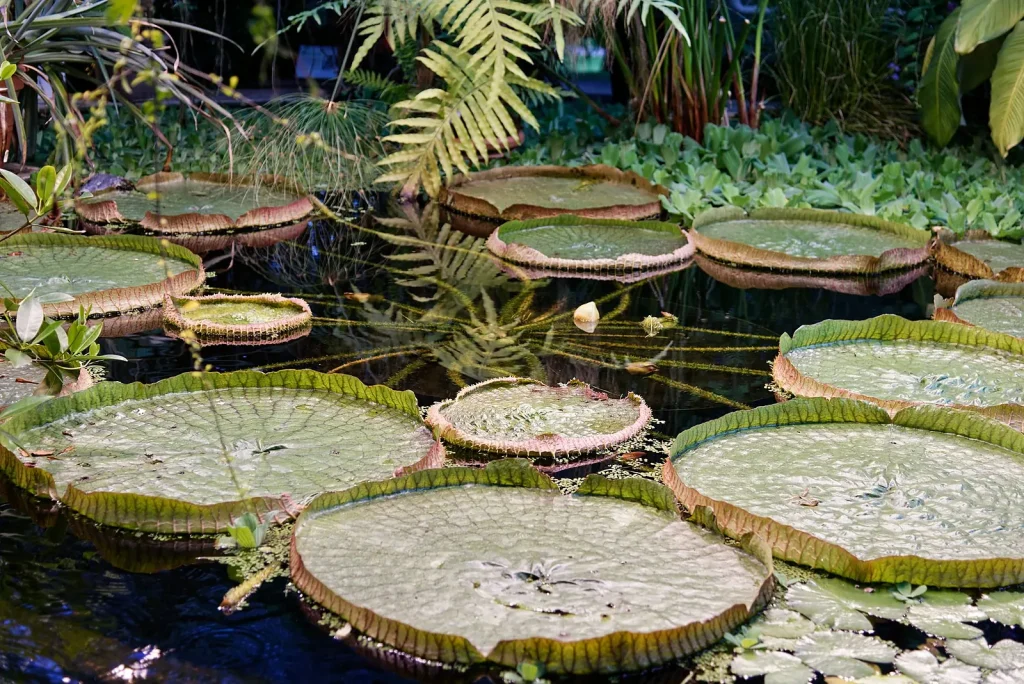
The rare bloom of the ‘giant penis plant’ at Diergaarde Blijdorp attracts crowds and boosts interest in botanical gardens.
Diergaarde Blijdorp, a renowned zoo in Rotterdam, is currently experiencing an influx of visitors eager to witness the rare bloom of the ‘giant penis plant’. Known scientifically as Amorphophallus titanum, this extraordinary plant is celebrated for its impressive size and rarity. The bloom is a significant event, drawing attention from botanists and the general public alike.
Unique Botanical Event
The Amorphophallus titanum is native to the rainforests of Sumatra, Indonesia. It is famous for its massive flowering structure, which can reach up to three meters in height. The plant’s common name, ‘giant penis plant’, reflects its unusual shape. This bloom is particularly rare in cultivation, making its appearance at Diergaarde Blijdorp a noteworthy spectacle.
According to the botanical gardens, the bloom offers a ‘once-in-a-lifetime’ viewing opportunity. The inflorescence releases a strong odor, often compared to that of rotting flesh, which attracts pollinators in its natural habitat. This scent, however, has not deterred the crowds, who are eager to experience this natural wonder.
Boost in Visitor Interest
The bloom has significantly boosted visitor numbers at Diergaarde Blijdorp. The zoo’s botanical gardens have become a hub of activity, with people traveling from across the Netherlands to see the plant. The event shows the role of botanical gardens in promoting plant conservation and education.
Jaap de Vries, the head botanist at Diergaarde Blijdorp, expressed his excitement: “This is a rare and exciting moment for us. We are thrilled to share the beauty and uniqueness of the Amorphophallus titanum with our visitors.”
The gardens have set up special viewing areas to accommodate the increase in foot traffic. Visitors are encouraged to learn more about the plant’s ecological significance and the conservation efforts required to protect such species in the wild.
Background and Conservation Efforts
Amorphophallus titanum is listed as a vulnerable species due to deforestation and habitat loss. Botanical gardens worldwide play a crucial role in conserving this and other endangered plants. By cultivating these rare species, gardens like Diergaarde Blijdorp help maintain genetic diversity and raise public awareness.
The zoo’s efforts extend beyond mere exhibition. They participate in international conservation programs aimed at protecting the natural habitats of such plants. Educational programs are also in place to inform the public about the importance of biodiversity.
What Happens Next
The bloom of the Amorphophallus titanum is short-lived, lasting only a few days. Visitors are urged to seize the opportunity before the plant wilts. The botanical gardens will continue to monitor the plant’s progress and provide updates through their official channels.
Meanwhile, the interest generated by this event highlights the potential of botanical attractions to engage the public. As visitors flock to Diergaarde Blijdorp, the zoo hopes to inspire a deeper appreciation for plant life and the urgent need for conservation.
For more information about visiting hours and the plant’s status, interested individuals can visit Diergaarde Blijdorp’s official website.

More from the desk