Police Warn as Disturbed Behavior Reports Surge in Netherlands
Reports of disturbed behavior in the Netherlands are rising. Police urge the public to reserve emergency calls for immediate risk situations.

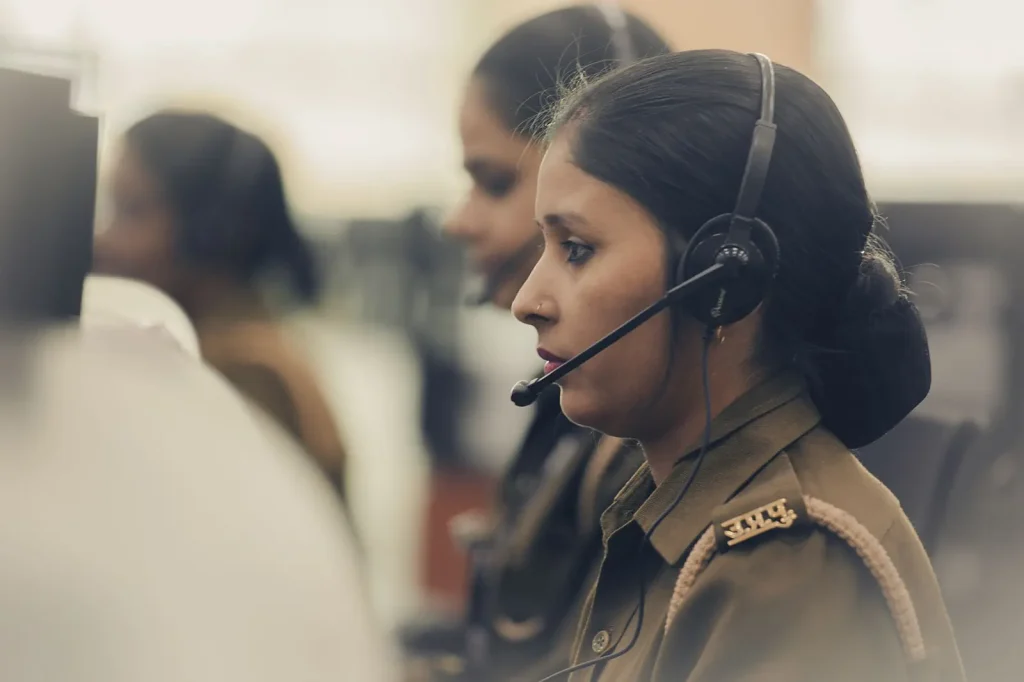
Dutch police urge citizens to reserve emergency calls for immediate threats as reports of disturbed behavior increase.
Reports of disturbed behavior have surged across the Netherlands. Police are urging the public to restrict emergency calls to situations that pose an immediate threat. This increase in non-urgent reports is putting significant pressure on emergency services.
Authorities have noted that the rise in calls about non-critical cases is delaying responses to genuine emergencies. The police emphasize the importance of using alternative mental health resources when possible. This ensures that emergency services remain available for those in dire need.
Police Warn Against Non-Emergency Calls
The Dutch police are concerned about the growing number of calls related to disturbed behavior that do not require urgent attention. These non-emergency reports are cluttering the system, potentially delaying responses to real crises.
In a statement, the police advised, “Calls should be made only when there is an immediate risk to life or safety.” By doing so, emergency services can function more effectively and reach those who need help the most.
the public is encouraged to consider the severity of incidents before dialing emergency numbers. This mindful approach can significantly enhance the efficiency of emergency response teams.
Background and Resources
The increase in reports has been attributed to heightened public awareness and sensitivity to disturbed behavior. While this awareness is positive, it has led to a surge in calls that are not always warranted.
To address the issue, authorities recommend that citizens use available mental health resources for non-critical disturbances. These resources can provide the necessary support and prevent unnecessary strain on emergency services.
Local mental health services, such as those offered by the mental health organization GGZ, provide various support options. They are equipped to handle situations that do not pose an immediate threat, offering advice and assistance to those in need.
Additionally, the rijksoverheid has emphasized the importance of public education on when to call emergency services. This initiative aims to reduce the number of non-urgent calls and improve overall response times.
What Happens Next?
Moving forward, the police will continue to monitor the situation closely. They are committed to ensuring that emergency services remain efficient and effective.
Authorities are also considering public awareness campaigns to educate citizens on the appropriate use of emergency numbers. These campaigns will highlight the importance of reserving emergency services for critical situations.
By prioritizing calls based on urgency, emergency responders can better serve the community. The police are hopeful that with public cooperation, the system will remain strong and responsive.
Ultimately, the goal is to maintain a balance between public safety and the efficient use of emergency resources. With continued collaboration between the police, mental health services, and the public, this can be achieved.
For more information on how to access mental health support, visit the rijksoverheid’s website or contact local mental health providers.