DNA Match Convicts Man for 1990 Bodegraven Crime
A DNA match has led to a 59-year-old man's conviction for a crime in Bodegraven committed 36 years ago, showcasing the power of forensic technology.

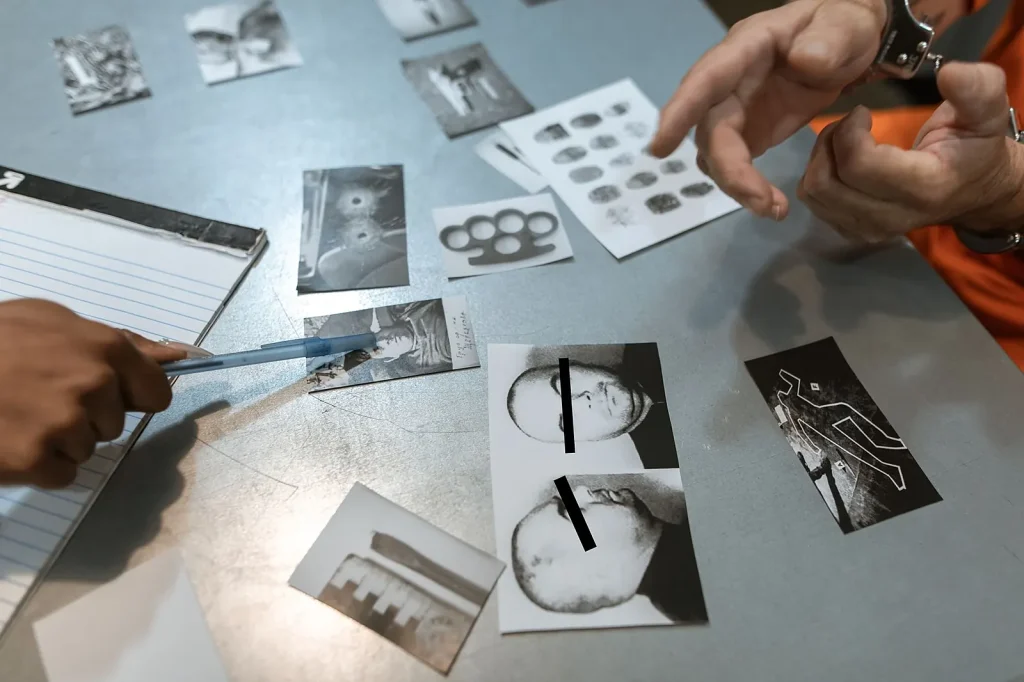
A 59-year-old man sentenced for a 1990 crime in Bodegraven, highlighting the power of DNA technology.
A DNA match has resulted in the conviction of a 59-year-old man for a crime committed 36 years ago in Bodegraven, a town in South Holland. Willem V., the convicted individual, was sentenced to 2.5 years in prison for a rape that had remained unsolved since 1990. This breakthrough highlights the major role of DNA technology in solving cold cases, providing long-awaited justice to victims.
Breakthrough in Bodegraven Cold Case
In 1990, a violent crime in Bodegraven left investigators puzzled and the community in shock. For decades, the case went cold, with no significant leads to pursue. However, recent advancements in forensic science have breathed new life into old investigations. The key to solving this case was a DNA match that linked Willem V. to the crime scene, thanks to international cooperation and database sharing.
According to the court, the DNA evidence was irrefutable. The case shows how forensic technology has become a crucial tool for law enforcement, aiding in the resolution of cases that were once deemed unsolvable.
Importance of DNA Technology
DNA technology has reshape the field of criminal justice, allowing investigators to revisit cold cases with fresh eyes. The conviction of Willem V. is a testament to the effectiveness of DNA databases, which enable cross-border collaboration and data exchange. These databases have become invaluable resources for law enforcement agencies around the world.
In this case, international DNA databases played a key role. They provided the necessary link to connect Willem V. to the crime in Bodegraven. This cooperation between countries highlights the importance of shared resources in tackling crime on a global scale.
The role of DNA evidence in this case was crucial, as it provided concrete proof that could be presented in court. “The DNA match was the turning point in this investigation,” said a spokesperson for the Dutch police. “It brought closure to a case that had haunted the community for decades.”
What Happens Next?
Following the conviction, attention now turns to the broader implications for future investigations. The success of DNA evidence in this case may prompt a re-evaluation of other cold cases across the Netherlands and beyond. Law enforcement agencies are likely to continue investing in forensic technologies, seeking to harness their full potential.
For the community of Bodegraven, the conviction offers a sense of closure. It also reinforces the hope that justice can be served, no matter how much time has passed. The case serves as a reminder of the enduring impact of crime on victims and their families, and the relentless pursuit of justice.
As DNA technology continues to advance, its role in solving cold cases is expected to grow. This case illustrates the importance of maintaining and expanding international collaborations, ensuring that justice is not bound by borders or time.
With the conviction of Willem V., the Bodegraven case finds resolution. The outcome is a powerful example of how science and technology can work hand in hand with law enforcement to bring justice to those who have waited far too long.