Dutch Agriculture Faces Heatwave Threat, Experts Warn
Dutch agriculture is under pressure as a heatwave sweeps the nation. Crop yields remain stable, but experts warn of potential long-term impacts.
Published 7 July 2026 · 12:05 CET
2 min read
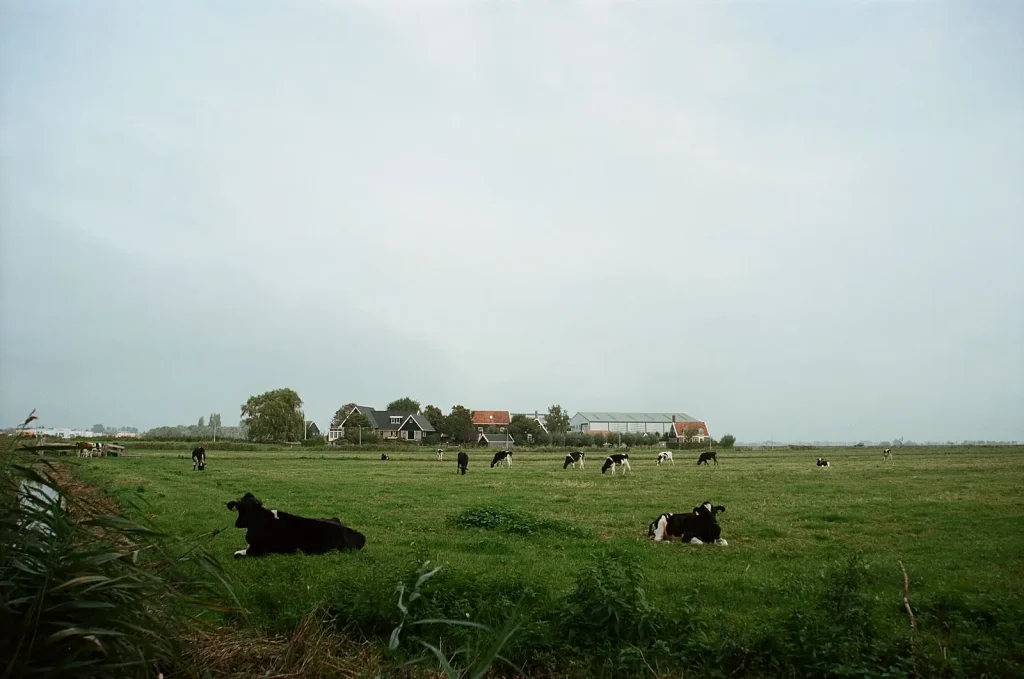
High temperatures test resilience of crops as experts urge sustainable practices.
The ongoing heatwave in the Netherlands is presenting significant challenges for Dutch agriculture. As temperatures soar, the resilience of the country’s crops is being put to the test. Despite the oppressive heat, crop yields have so far managed to remain stable. However, experts are cautioning that if the high temperatures persist, it could lead to negative impacts on future yields.
Current Situation and Immediate Concerns
The Netherlands, known for its strong agricultural sector, is currently experiencing unusually high temperatures. This weather pattern is raising concerns about the long-term sustainability of crop production. While the immediate effects on yields have been minimal, the situation requires careful monitoring. Farmers are being advised to keep a close eye on their fields and consider implementing sustainable farming practices to mitigate potential damage.
According to the Koninklijk Nederlands Meteorologisch Instituut (KNMI), the national weather service, this heatwave is part of a broader trend of rising temperatures affecting the region. The KNMI is closely tracking these changes and providing updates to help farmers prepare for potential challenges.
Long-term Implications
While the short-term impact of the heatwave has been manageable, the long-term implications could be more severe. Prolonged exposure to high temperatures can stress crops, reducing their growth and productivity. This is particularly concerning for key Dutch exports such as potatoes, tomatoes, and flowers, which play a crucial role in the national economy.
Agricultural experts emphasize the importance of resilience in farming practices. Sustainable techniques, such as precision irrigation and crop diversification, are being recommended to help farmers adapt to changing climate conditions. These practices not only improve water efficiency but also enhance soil health, making crops more resistant to heat stress.
“Farmers need to be proactive in adopting sustainable practices,” said Jan de Vries, an agricultural expert with Wageningen University. “By doing so, they can help safeguard their crops against future climate challenges.”
Background
The Netherlands has a long history of innovation in agriculture, often hailed as a model for sustainable farming. However, the current climate challenges are testing the limits of these practices. The Dutch government, through agencies like Rijkswaterstaat, is working to support farmers by providing resources and guidance on sustainable techniques.
Climate change is a global issue, and the Netherlands is not immune to its effects. The agricultural sector is particularly vulnerable, given its reliance on stable weather patterns. As the world continues to grapple with climate change, the resilience of Dutch agriculture becomes increasingly critical for food supply stability both domestically and internationally.
What Happens Next
Looking ahead, the Dutch government and agricultural bodies are likely to increase their focus on sustainable practices. This may include more funding for research into climate-resilient crops and the development of technologies to help farmers adapt.
Farmers are encouraged to stay informed and engaged with the latest developments in sustainable farming. By doing so, they can better protect their crops and contribute to the overall resilience of the Dutch agricultural sector.
while the current heatwave poses significant challenges, it also presents an opportunity for innovation and adaptation. With the right strategies in place, Dutch agriculture can continue to thrive amidst changing climate conditions.

More from the desk