Dutch alcohol debate pushes for cultural shift
The Dutch alcohol consumption debate in 2026 focuses on reducing alcohol's visibility and shifting cultural norms.

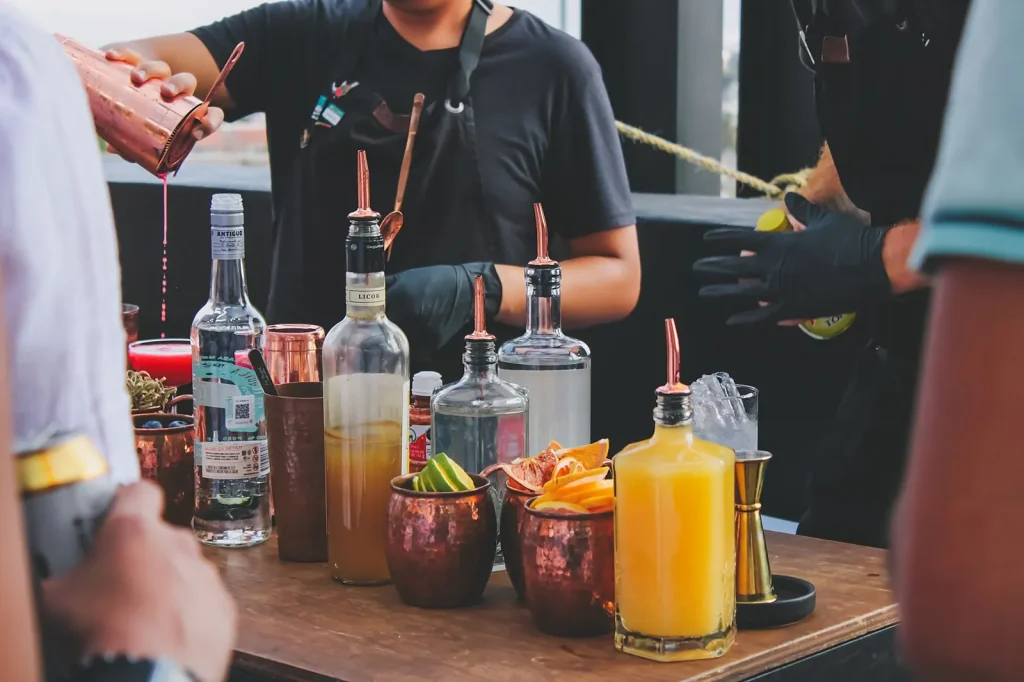
Efforts to reduce alcohol’s visibility in the Netherlands highlight cultural challenges.
The Dutch alcohol consumption debate in 2026 is gaining momentum as discussions on reducing alcohol’s visibility take center stage. In the Netherlands, cultural perceptions often make it challenging to choose non-alcoholic options without requiring additional explanation. This has sparked efforts to change societal norms surrounding drinking.
Challenging Cultural Norms
In Dutch society, alcohol is a widely accepted part of social gatherings and celebrations. However, many individuals find it difficult to opt for non-alcoholic beverages without facing questions or assumptions. This cultural norm presents a significant barrier for those who wish to make healthier lifestyle choices.
Public health experts emphasize the importance of shifting these ingrained perceptions. “We need to make it easier for people to choose non-alcoholic options without feeling pressured,” said Dr. Anja de Vries, a public health researcher at the Rijksinstituut voor Volksgezondheid en Milieu (RIVM). She highlighted the need for increased awareness and acceptance of alcohol-free choices.
Efforts to Promote Change
Efforts are underway to reduce alcohol’s prominence in public settings. Various initiatives aim to increase the availability and appeal of non-alcoholic drinks in restaurants and bars. These initiatives also focus on educating the public about the benefits of reducing alcohol consumption.
Local governments have started campaigns to promote healthier drinking habits. The rijksoverheid has also been involved in supporting these efforts through policy changes and public awareness programs. By encouraging a shift in cultural attitudes, the goal is to create an environment where non-alcoholic options are more widely accepted and normalized.
A report by the Centraal Bureau voor de Statistiek (CBS) revealed that nearly 80% of Dutch adults consume alcohol regularly. This statistic shows the challenge of changing deep-rooted cultural norms. However, the same report noted a growing interest in healthier lifestyles, with more people seeking alcohol-free alternatives.
Background
The Netherlands has a long history of alcohol consumption, with beer and wine being integral to its cultural heritage. However, modern health concerns have prompted a reevaluation of this relationship. Public health campaigns have previously focused on reducing smoking rates and promoting exercise. Now, attention is turning to alcohol consumption as a key area for improvement.
In recent years, the growth of non-alcoholic beer and spirits has offered new options for consumers. These products are becoming increasingly popular, reflecting a shift in consumer preferences. Despite this progress, the challenge remains to alter societal attitudes that equate drinking with socialising.
What Happens Next?
As the debate continues, stakeholders from various sectors are joining the conversation. Businesses, health professionals, and community leaders are working together to support the transition toward healthier drinking habits. This collaborative approach aims to create a supportive environment for those choosing non-alcoholic options.
Looking ahead, experts believe that sustained efforts will be necessary to achieve meaningful change. Public health initiatives will likely continue to focus on education and awareness, emphasizing the benefits of reducing alcohol consumption. By fostering a cultural shift, the Netherlands hopes to promote healthier lifestyles and reduce the social pressures associated with drinking.
The Dutch alcohol consumption debate serves as a reminder that changing cultural norms is a complex process. However, with continued dedication and collaboration, there is potential for significant progress. The ongoing efforts in 2026 reflect a broader commitment to improving public health and creating a more inclusive society.