Dutch Coal Power Rise Tops Output Amid Belgian Demand
Dutch coal power plants in 2026 have already surpassed their 2024 output, driven by high energy prices and Belgian demand.

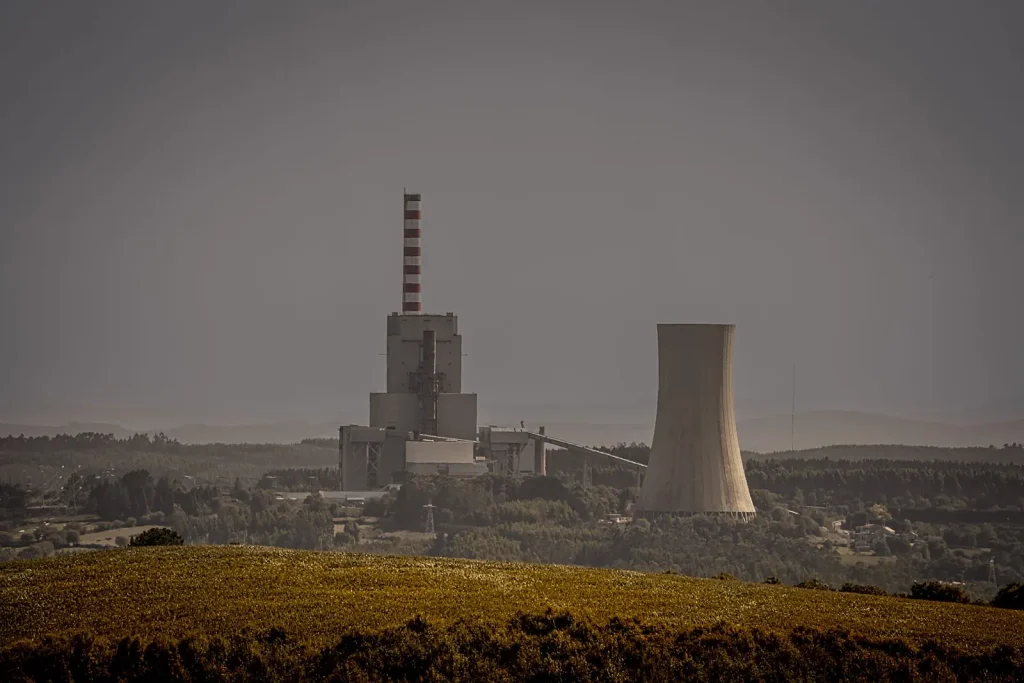
In 2026, Dutch coal power plants exceed 2024 production due to high energy prices and Belgian demand.
In 2026, Dutch coal power plants have significantly increased their electricity production, surpassing the total output recorded in 2024. This surge in production is largely attributed to high energy prices and a growing demand from Belgium, where several nuclear power plants are undergoing maintenance. The increase highlights the complex balance between energy needs and environmental concerns in the Netherlands.
Energy Demands and Economic Factors
High energy prices have driven the demand for Dutch coal power. Belgium’s need for electricity, exacerbated by the temporary closure of some nuclear facilities, has increased reliance on Dutch coal plants. According to Martien Visser, an expert in energy transition, “Coal plants are stepping in to meet foreign electricity demands, providing substantial economic benefits despite environmental concerns.”
The economic incentives are strong. By exporting electricity to Belgium, the Netherlands benefits financially, helping to offset the high energy prices faced domestically. However, this situation raises questions about the country’s commitment to reducing its carbon footprint.
Environmental Concerns and Future Implications
The reliance on coal power, a significant source of carbon emissions, has sparked debates about environmental responsibility. The Dutch government has committed to reducing fossil fuel use, yet the current situation shows the challenges of transitioning to renewable energy while meeting immediate demands.
Environmental groups have expressed concerns over the increase in coal use. They argue that the short-term economic gains may undermine long-term sustainability goals. The Netherlands aims to reduce its greenhouse gas emissions by 49% by 2030 compared to 1990 levels, a target that becomes more challenging with increased coal usage.
The rise in coal power production also comes at a time when the Netherlands is facing pressure to adhere to European Union environmental regulations. These regulations aim to limit the impact of fossil fuels on the environment and encourage investment in renewable energy sources.
Background and What Happens Next
Historically, the Netherlands has been a significant coal importer, primarily to fuel its power plants. However, the country has been gradually shifting towards renewable energy sources like wind and solar. The current rise in coal power is a temporary measure to address immediate energy needs.
Looking ahead, the Netherlands faces the challenge of balancing economic benefits with environmental responsibilities. The government may need to accelerate its investment in renewable energy infrastructure to reduce reliance on fossil fuels. With the autumn season approaching, a time of traditionally high electricity use, coal production might continue to rise, further complicating the situation.
The Dutch government will need to handle these challenges carefully. Policymakers must ensure that economic needs do not overshadow environmental commitments. A long-term strategy focusing on sustainable energy solutions will be crucial in achieving the country’s climate goals.
This situation serves as a reminder of the complex interplay between energy needs, economic incentives, and environmental responsibilities. As the Netherlands continues to address these challenges, the decisions made now will have lasting impacts on the country’s energy landscape.