Dutch companies turn to automation as staff shortages continue
Dutch companies are investing more in automation as staff shortages continue to affect revenue and growth.

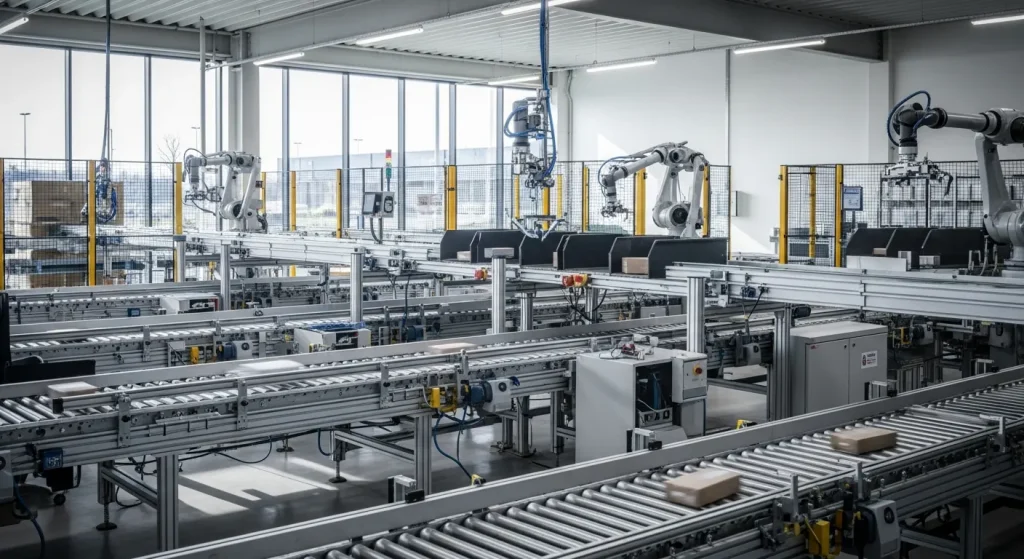
Dutch companies are investing more in automation because staff shortages continue to limit growth.
New figures show a shift in how businesses respond to the tight labour market. A year ago, many companies focused on better working conditions to attract staff. That meant higher pay, more holidays or other benefits.
That approach did not solve the problem for many businesses. When many companies offer better conditions at the same time, they are still competing for the same limited group of workers.
Now more firms are looking at automation.
The problem remains large. Two thirds of companies in the Netherlands say they are affected by staff shortages. One in three companies names the shortage of workers as their biggest problem.
The effect is not only internal pressure. Companies say they miss revenue because they cannot find enough people to do the work.
Automation can take many forms. In construction and industry, companies may invest in more efficient machines. In services, legal work and IT, businesses may use chat based tools for programming, summarising documents, gathering information or supporting customer contact.
This does not mean every job disappears. In many cases, automation is used to reduce repetitive work or to help existing staff do more with less time.
But the shift does raise questions about the future of work. If companies cannot hire enough people, they may redesign tasks around software, machines and AI tools. That can change the type of skills workers need.
Large companies are much more likely to invest in automation than small companies. They have more capital and can spread the cost across a bigger organisation.
Small businesses often have fewer options. If they cannot find enough staff, they may simply take on fewer jobs, limit opening hours or accept slower growth.
The trend is likely to continue as the Dutch labour market remains tight. Sectors such as healthcare, construction, hospitality, education, logistics and technical services have all faced staff shortages in recent years.
The challenge for the Netherlands is not only finding more workers. It is also using workers more efficiently.
Automation may help some companies survive the shortage. But it will not solve every problem. Machines and software still need investment, maintenance, training and trust.
The next phase of the labour market may therefore be less about choosing between people and automation, and more about how both are combined.