Dutch consulate probes artist’s death in Poland
The Dutch consulate is involved in the case of Semjon Skrepetski's death in Poland, highlighting issues of artistic freedom and international tensions.

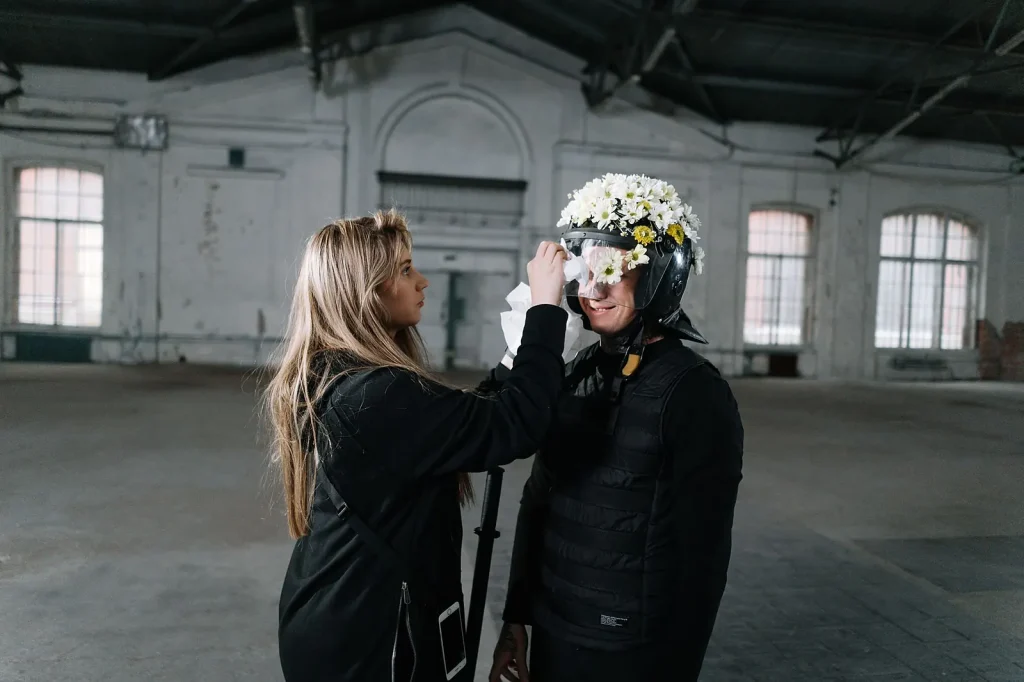
The death of Russian artist Semjon Skrepetski in Poland draws attention to artistic freedom and international tensions.
The Dutch consulate is currently involved in the investigation of the death of Semjon Skrepetski, a Russian performance artist, who was killed in Poland. Skrepetski, known for his anti-Putin performances, was shot near the Belarusian border. The incident has raised concerns about artistic freedom and international tensions.
Details of the Incident
Semjon Skrepetski, whose real name was Robert Kouzovkov, was a prominent figure in the art world for his critical performances against Russian President Vladimir Putin. He had been living near the Belarusian border and was actively involved in protests across Europe. The Polish authorities have arrested a suspect carrying a Georgian passport. Efforts are ongoing to confirm the identity of the assailant.
The Dutch consulate’s involvement stems from Skrepetski’s artistic connections in the Netherlands. He had participated in several performances and exhibitions in the country, which brought him into contact with Dutch cultural institutions. This connection has prompted the consulate to monitor the situation closely.
International Concerns
The death of Skrepetski has sparked international concerns over freedom of expression. His work often highlighted the plight of dissidents under the Russian regime, making him a target for those opposed to his message. This case shows the increasing dangers faced by artists who challenge authoritarian regimes.
According to the Polish authorities, the case is being treated with the utmost seriousness. A spokesperson said, “We are committed to uncovering the truth behind this tragic event.” Meanwhile, the Dutch consulate is reportedly in contact with Polish officials to ensure a thorough investigation.
The incident has also drawn attention from human rights organizations. They emphasize the importance of protecting artists who use their work to critique political systems. The situation highlights the risks faced by artists in similar situations worldwide.
Background on Skrepetski
Skrepetski gained notoriety for his bold performances that often involved elements of protest. He was known for his willingness to address controversial topics, including the actions of Russian and Belarusian officials. His work resonated with many who opposed the current political climate in those countries.
His death is a significant loss to the artistic community, both in the Netherlands and abroad. Many have expressed their condolences and called for justice to be served. The case continues to unfold, with international media closely following developments.
What Happens Next
As the investigation progresses, the focus remains on ensuring accountability and justice. The Dutch consulate’s involvement highlights the broader implications of the case. It serves as a reminder of the importance of international cooperation in addressing threats to freedom of expression.
The outcome of this investigation may influence how similar cases are handled in the future. It also reinforces the need for protective measures for artists who dare to speak out against oppressive regimes.
For now, the art community mourns the loss of a courageous voice, while the world watches to see how justice will be served in the wake of this tragic event.