Dutch energy crisis pushes 70,000 households to act
The Dutch energy crisis sees households in Gelderland and Utrecht managing power to stabilize the grid.

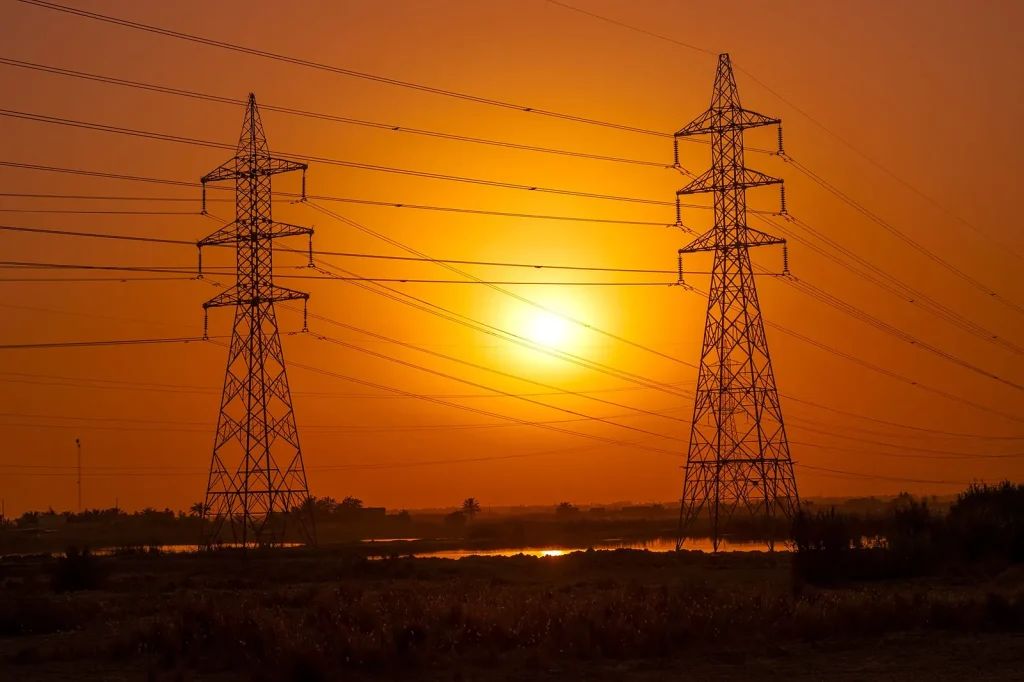
In response to grid overload, Gelderland and Utrecht households are called to manage power flexibly.
The Dutch energy crisis has prompted a call to action for households in the Netherlands. As grid overloading poses significant risks, the initiative seeks community participation to prevent disruptions. Provinces such as Gelderland and Utrecht are at the forefront of this effort, leveraging technology to manage energy consumption effectively.
Households to Play a Key Role
Residents in these regions are encouraged to participate by using home batteries and electric vehicle charging stations to manage their power usage. The aim is to optimize consumption during peak times, which can alleviate pressure on the grid. This community-driven approach not only ensures a stable electricity supply but also fosters a sense of shared responsibility among citizens.
Netbeheerders, the Dutch grid operators, alongside major energy companies, are spearheading this initiative. They believe that by collaborating with households, the country can better balance its energy needs, especially during times of high demand.
Technology at the Core
The initiative revolves around the use of smart technology. By managing home batteries and other devices, households can store energy during low-demand periods and release it when the grid is under stress. This flexibility is crucial in maintaining a balanced and reliable energy distribution system.
In Gelderland and Utrecht, the response has been positive. Many residents have shown willingness to adapt their energy use patterns. The project’s success in these areas could pave the way for a nationwide rollout, potentially involving more households in the future.
Energy companies are also exploring additional technologies that can aid in this effort. Innovations like smart meters and advanced energy management systems are being considered to further enhance the initiative’s effectiveness.
Background on the Energy Crisis
The Netherlands has faced increasing challenges with its energy grid. Rapid urban development and a shift towards electric vehicles have contributed to the strain. As a result, there is a pressing need to modernize infrastructure and adopt sustainable practices.
Governmental bodies and energy experts have highlighted the importance of such initiatives. By involving the community, the Netherlands can transition more smoothly to a sustainable energy future. This approach aligns with broader European goals of reducing carbon footprints and increasing renewable energy use.
What Happens Next
As the project progresses, continuous evaluation will be crucial. Feedback from participating households will help refine strategies and technologies. The ultimate goal is to create a resilient grid capable of supporting the country’s growing energy demands.
Expansion plans are already underway. Similar initiatives could soon be introduced in other provinces, allowing more communities to contribute to the national effort. This collaborative model serves as a beacon of hope in tackling the energy challenges of the future.
The Netherlands’ approach could serve as a model for other countries facing similar issues. By fostering community involvement and leveraging technology, it is possible to create a more sustainable and reliable energy system.
For more information about the initiative and how to participate, residents are encouraged to contact their local energy company or visit official government websites.