Dutch energy crisis hits 300,000 households, CPB warns
The Dutch energy crisis is affecting 300,000 households, with low-income families facing up to a 6% loss in purchasing power, according to CPB.

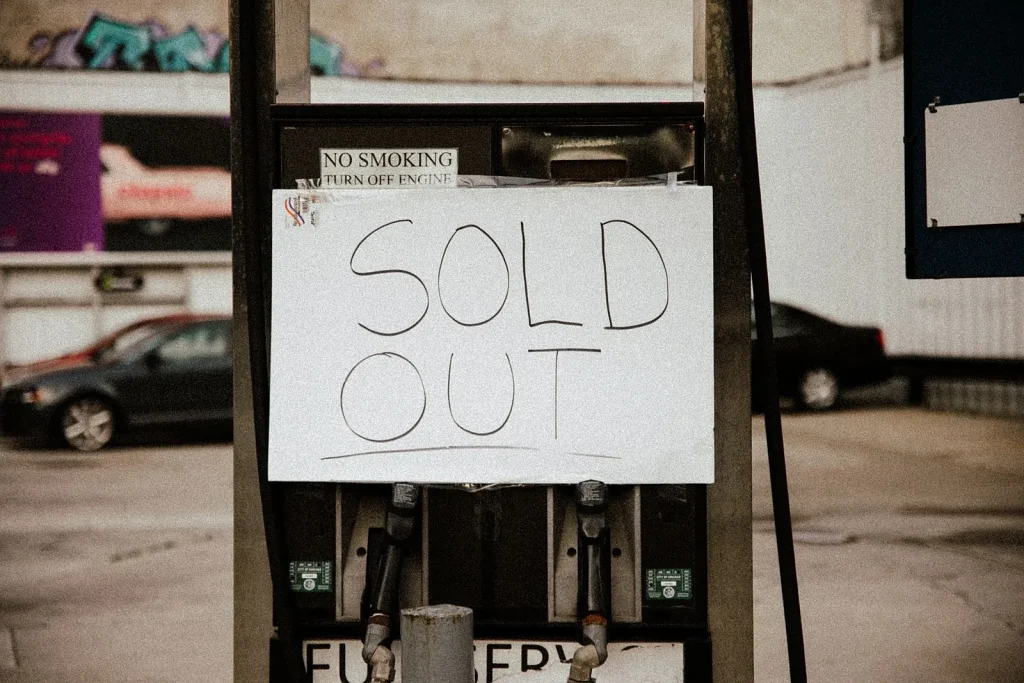
The ongoing energy crisis in the Netherlands is impacting low-income households, with a report indicating a significant loss in purchasing power.
The ongoing energy crisis in the Netherlands is affecting 300,000 households, with low-income families bearing the brunt of the impact. According to a report by the Centraal Planbureau (CPB), these families are facing a potential six percent decline in purchasing power due to rising energy costs.
Households with lower incomes are particularly vulnerable, especially those living in inadequately insulated homes. The surge in gas prices has left many struggling to keep up with their energy needs. The disparity between income levels has become more pronounced, as higher-income households possess more resources to weather the crisis.
CPB Report Highlights Challenges
The CPB’s findings shows the significant impact of energy costs on the Dutch population. The report highlights that while all households are affected, low-income families are experiencing the most severe consequences. The purchasing power loss of up to six percent is a stark indicator of the financial strain many are facing.
In the Tweede Kamer, the issue has sparked discussions about potential government interventions. There have been calls for temporary reductions in fuel taxes, similar to measures taken in neighboring countries. However, the Dutch government has so far opted for expanding travel expense reimbursements as a relief measure.
Government Response and Future Steps
The Dutch government’s response to the crisis is crucial in addressing these growing inequalities. While some measures have been introduced, critics argue that more needs to be done to support those hardest hit.
Experts suggest that improving home insulation and investing in renewable energy sources could provide longer-term solutions. However, these changes require time and significant investment, leaving many families in immediate need of support.
Meanwhile, discussions in the Tweede Kamer continue, with various parties urging the government to take more decisive action. The focus remains on finding equitable solutions that address the needs of all affected households, particularly those with lower incomes.
The energy crisis highlights the existing disparities within Dutch society and the urgent need for a comprehensive approach to energy policy. As the situation evolves, the government’s ability to respond effectively will be closely watched by both domestic and international observers.
For now, the 300,000 Dutch households heavily impacted by the crisis continue to handle the challenges of rising costs and diminishing purchasing power.