Dutch femicide cases: study reveals only 2% properly labeled
Dutch femicide cases are rarely labeled in court. Maastricht University calls for clearer legal definitions to address gender-based violence.

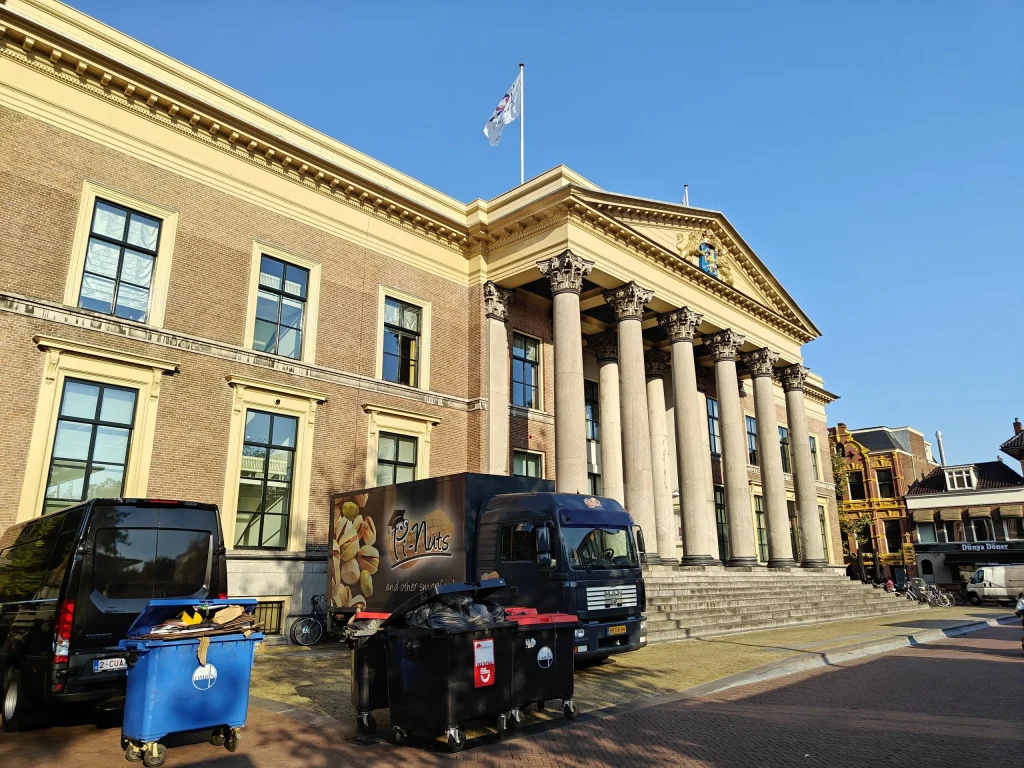
Maastricht University researchers urge clearer legal definitions to address gender-based violence.
In the Netherlands, Dutch femicide cases are seldom explicitly labeled in court rulings, a new study reveals. Researchers from Maastricht University have highlighted a crucial gap in the legal system, emphasizing the need for clearer definitions to recognize and address gender-based violence effectively.
The study, conducted by Maastricht University, analyzed court cases and found that only 2% of these cases were labeled as ‘femicide’. This lack of consistent labeling is attributed to the absence of a clear legal definition, which researchers argue is essential for highlighting patterns of violence against women.
Why Clear Definitions Matter
Femicide, defined as the killing of a woman because of her gender, often involves underlying issues such as misogyny and control. However, these factors are not always recognized in legal contexts. By adopting a more consistent approach to labeling, courts could better address these patterns and their root causes.
Researchers believe that explicit recognition of femicide can play a vital role in prevention. It can help law enforcement and policymakers understand the prevalence and nature of such crimes, leading to more effective interventions.
Furthermore, clear definitions can foster public awareness, encouraging society to recognize and combat gender-based violence. This is crucial in a country like the Netherlands, where equality and justice are core societal values.
Challenges in Implementation
Despite the evident need for change, implementing clearer legal definitions for femicide faces significant challenges. The Dutch legal system, like many others, often relies on established precedents and definitions. Introducing new terms requires careful consideration and consensus among legal experts, lawmakers, and advocacy groups.
Moreover, there is a need for comprehensive training for law enforcement and judicial officers. They must understand the nuances of gender-based violence and femicide to apply these definitions effectively. This involves not only legal knowledge but also an understanding of social and psychological aspects.
For more information on the Dutch legal system, you can visit Rijksoverheid and for crime statistics, visit CBS.
Additionally, societal attitudes towards gender roles and violence must be addressed. Public education campaigns can play a pivotal role in changing perceptions and encouraging reporting of gender-based violence.
In conclusion, while the path to clearer legal definitions for femicide in the Netherlands is fraught with challenges, the potential benefits are substantial. By recognizing and addressing these crimes more explicitly, the country can take significant strides toward reducing gender-based violence and promoting justice for all.