Dutch Nitrogen Emissions Plan Caps 2.6 Cows per Hectare
The Dutch cabinet's nitrogen emissions plan includes protection zones around nature reserves.
Published 26 June 2026 · 17:03 CET
3 min read
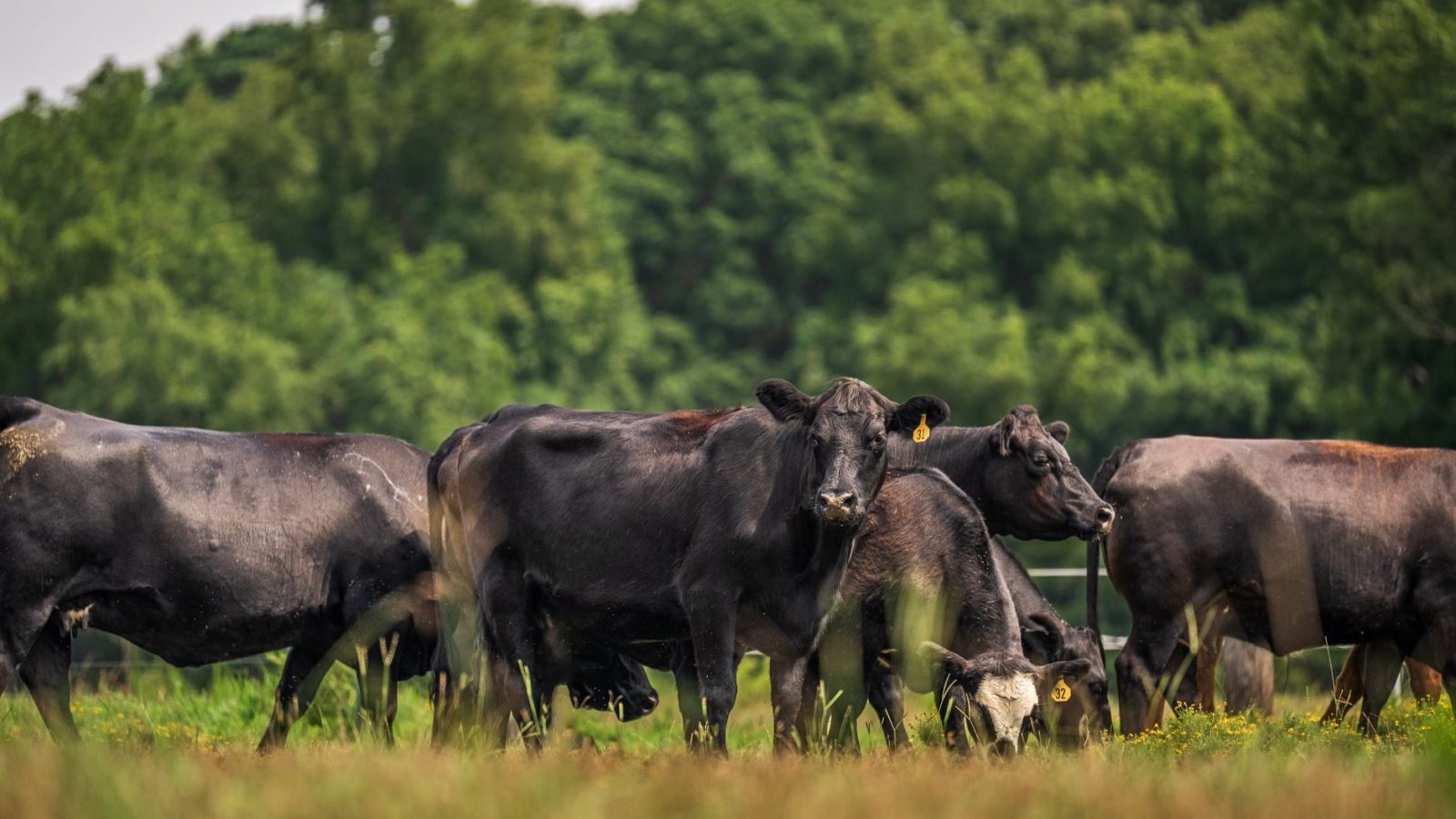
The Netherlands introduces new environmental strategies to tackle nitrogen emissions and protect nature reserves.
The Dutch cabinet has introduced a new plan to tackle nitrogen emissions, a pressing environmental and political issue in the Netherlands. The plan aims to significantly reduce emissions and protect the country’s delicate ecosystems.
Details of the Emissions Plan
The proposal, which comes amid growing concerns about the impact of nitrogen on biodiversity, sets stringent limits on livestock density. By capping the number of cows per hectare, the government hopes to curb emissions that have been damaging to the country’s natural habitats. This move is part of a broader strategy to address environmental challenges that the Netherlands has faced for years.
Additionally, the plan includes the creation of protection zones around nature reserves. These zones are designed to shield sensitive areas from further nitrogen pollution, thus enhancing conservation efforts. The government believes that these measures are crucial for maintaining biodiversity and meeting international environmental commitments.
Impact on Dutch Agriculture
Agriculture is central to the Dutch economy, and these new regulations represent a major shift in policy. Farmers will need to adapt to these changes, which could involve altering farming practices or reducing livestock numbers. While the plan aims to balance agricultural interests with environmental needs, it may also lead to economic adjustments within the sector.
Environment Minister Rob Jetten emphasized the importance of this initiative. “We are committed to protecting our natural landscapes while supporting sustainable agricultural practices,” he said. Jetten noted that the plan is part of a long-term vision for a greener Netherlands.
Farmers’ associations have expressed concerns about the potential economic impact. They argue that the restrictions could lead to financial strain for small-scale farmers. However, the government has indicated that support measures will be available to help farmers transition to more sustainable practices.
Background on Nitrogen Emissions
Nitrogen emissions have been a contentious issue in the Netherlands, leading to legal challenges and public protests. High levels of nitrogen, primarily from agriculture and traffic, have contributed to the deterioration of protected natural areas. The country’s courts have previously ruled that the government must take stronger action to address these environmental concerns.
The Dutch government has faced pressure from both environmental groups and the European Union to implement effective measures. The latest plan reflects an attempt to comply with EU directives and national court rulings, which demand a reduction in nitrogen pollution to safeguard biodiversity.
What Happens Next?
The cabinet’s proposal will now be discussed in the Tweede Kamer, the Dutch House of Representatives. Lawmakers will debate the plan’s specifics, and adjustments may be made to address various stakeholders’ concerns. The government aims to implement the plan swiftly, with a focus on collaboration between policymakers, environmentalists, and the agricultural sector.
If approved, the new regulations could serve as a model for other countries facing similar environmental challenges. The Netherlands’ approach to balancing economic interests with ecological responsibility may offer valuable lessons for global sustainability efforts.
Overall, the Dutch nitrogen emissions plan marks a significant step in the country’s ongoing efforts to protect its natural environment. As the Netherlands moves forward with these initiatives, the world will be watching to see how these measures unfold and what impact they will have on both the environment and the economy.
More from the desk