Dutch Public Transport Strikes Threaten 100,000 Daily Commutes
Dutch public transport strikes are set to intensify after summer, potentially affecting thousands nationwide.

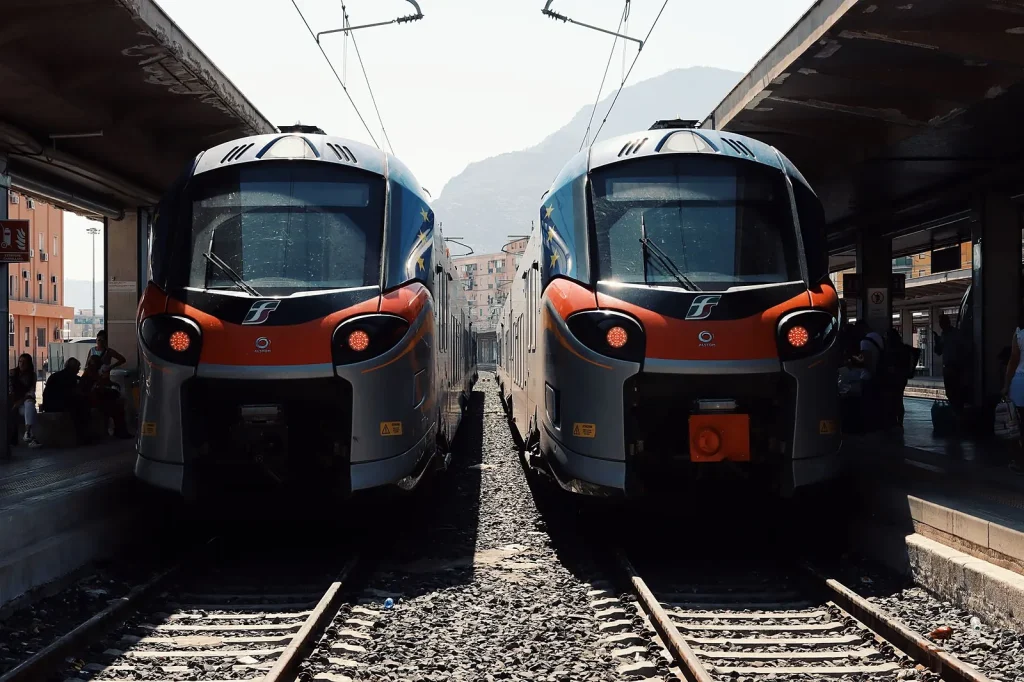
Planned strikes in the Netherlands could disrupt train, bus, and tram services, affecting thousands.
Public transport users in the Netherlands are bracing for potential disruptions as major strikes are expected to intensify after the summer break. The strikes, organized by Dutch labor unions, aim to address ongoing disputes over working conditions and pay. With negotiations between unions and public transport operators stalled, the situation remains tense.
Impact on Daily Commutes
The expected strikes could significantly affect daily commutes across the country. Train, bus, and tram services are likely to face disruptions, impacting thousands of commuters. Dutch labor unions have emphasized the need for action, citing unsatisfactory working conditions and inadequate pay as key issues.
Union representatives have urged passengers to understand the necessity of these actions. They stress that the strikes are a last resort, as previous negotiations have failed to produce satisfactory outcomes. “We are ready to return to the negotiating table if operators present meaningful proposals,” said a union spokesperson.
Stalled Negotiations
Negotiations between the unions and public transport operators have reached an impasse. The unions have expressed frustration over the lack of progress in discussions about improving working conditions and salary increments. The operators, on the other hand, have cited budget constraints and operational challenges as barriers to meeting the unions’ demands.
The current stalemate has left both sides at odds, with little hope for a quick resolution. As a result, the unions have decided to press ahead with their strike plans, aiming to compel operators back to the negotiating table.
Meanwhile, public transport users are advised to prepare for possible travel disruptions. Alternative arrangements, such as carpooling or remote work, may be necessary for many commuters if the strikes proceed as planned.
Background on Labor Disputes
Labor disputes in the public transport sector have been a recurring issue in the Netherlands. Previous strikes have highlighted the ongoing challenges faced by workers, including long hours and insufficient pay. The unions have consistently called for better working conditions and fair compensation.
In recent years, the pressure on public transport services has increased, with rising demand and limited resources. This has further strained relations between workers and operators, leading to frequent disputes and industrial actions.
What Happens Next?
As the summer break draws to a close, all eyes are on the unions and operators to see if a resolution can be reached. Without a breakthrough in negotiations, the planned strikes are likely to proceed, resulting in widespread disruptions.
The unions remain open to dialogue, but emphasize that any new proposals must address their core concerns. Until then, public transport users should stay informed about the latest developments and plan their commutes accordingly.
For more information on the potential impact of these strikes, visit the rijksoverheid website or check updates from NS, the Dutch national rail operator.