Dutch Rail Competition Celebrates 30 Years, Faces Ticketing Hurdles
Dutch rail competition celebrates 30 years. Arriva plans new routes to Paris, but ticketing integration issues persist.

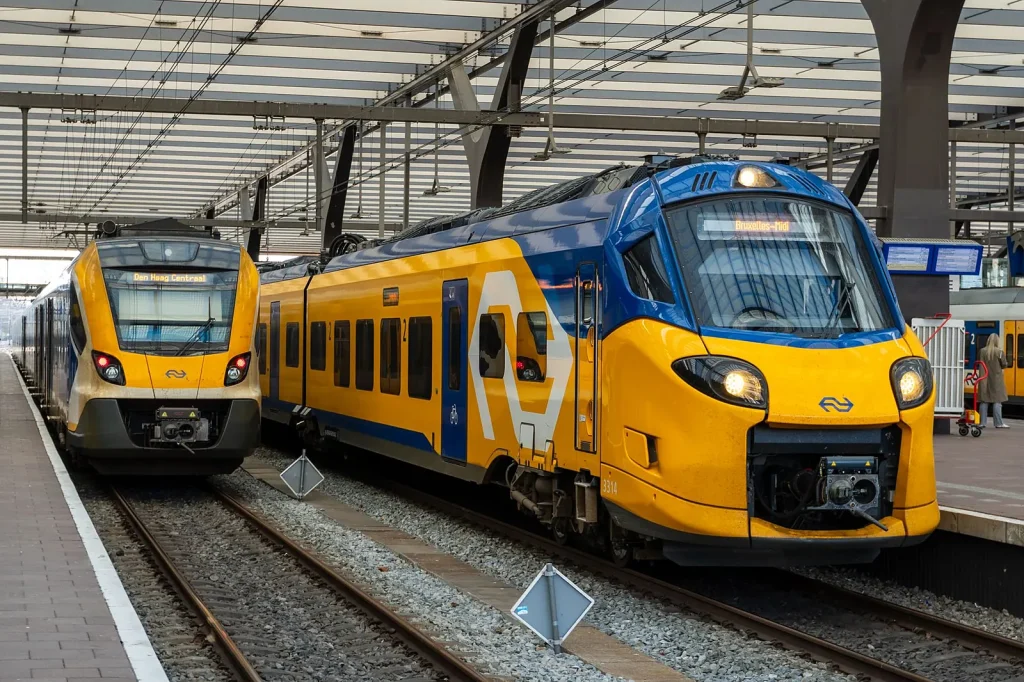
Arriva’s Paris plans highlight integration issues in Dutch railways, impacting passengers and economic growth.
This year marks 30 years since the Dutch railway sector opened to competition, allowing companies to share tracks with NS, the Dutch national rail operator. Over the decades, new players like Arriva and GoVolta have entered the scene, bringing fresh opportunities and challenges. As competition intensifies, the focus now shifts to improving passenger convenience and expanding international routes.
Arriva’s Ambitious Plans
Arriva, a key player in the Dutch rail market, is making headlines with its plans to launch new connections to Paris. This move signals a significant step in expanding cross-border travel options for Dutch passengers. Arriva’s ambition is echoed by GoVolta, which is also exploring routes to Germany. These expansions are expected to boost economic ties and provide more travel choices.
However, the excitement around these new routes is tempered by ongoing challenges. The integration of ticketing systems remains a significant hurdle. Currently, passengers cannot use a single ticket across different train services, limiting convenience and flexibility. According to an Arriva spokesperson, ‘We are losing out on 40 percent of potential passengers who use the student OV-chipkaart.’
Integration Issues Persist
The lack of a unified ticketing system is seen as a major barrier to growth in the Dutch railway market. Passengers find it cumbersome to switch between operators without a smooth ticketing experience. This issue not only affects passenger satisfaction but also impacts the financial sustainability of operators like Arriva and GoVolta.
Arriva’s spokesperson further highlighted the financial implications: ‘The financial model is hard to sustain without integrating ticketing systems, as we miss out on a significant segment of potential riders.’ The company is advocating for a more cohesive system that would allow for a smoother travel experience across different services.
The Economic Impact
The competition in Dutch railways has broader economic implications. By offering more routes and services, operators can stimulate tourism and business travel, contributing to economic growth. However, without resolving ticketing integration, the full potential of these developments may not be realized.
The Dutch government and railway operators are under pressure to address these challenges. A more integrated system could lead to increased ridership, reduced operational costs, and a more attractive public transport offering.
Looking Forward
As the Dutch railway sector celebrates this 30-year milestone, the focus remains on overcoming existing challenges to pave the way for future growth. The integration of ticketing systems is a crucial step toward achieving a more efficient and user-friendly rail network.
Industry stakeholders are hopeful that solutions can be found to enhance the passenger experience and support the continued expansion of international routes. The success of these efforts will determine the future landscape of Dutch rail competition.
For more information on the Dutch railway system and its ongoing developments, visit the NS official website or the Dutch government’s transportation page.