Dutch Schools Cut 40% of Tech Classes, Experts Warn
Dutch primary schools cut tech education, raising concerns about students' future job readiness. Experts urge curriculum review.

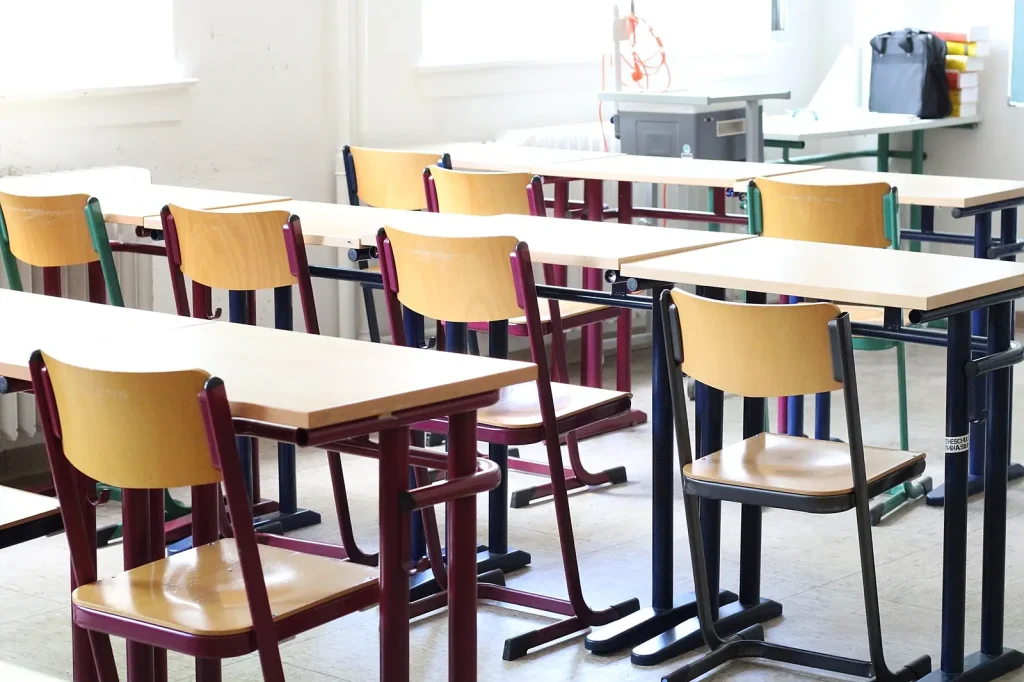
Dutch primary schools face criticism as tech education is cut by 40%, risking future job market readiness.
In a controversial move, Dutch primary schools have reduced technology classes. This decision has sparked significant concern among educators and industry experts about students’ readiness for the future job market. As technology becomes increasingly integral to various careers, the reduction in tech education could have long-lasting impacts on students’ career prospects.
Impact on Future Careers
The decision to cut technology classes has been met with criticism from various quarters. Educators argue that limiting exposure to technology at an early age could hinder students’ ability to pursue careers in technical fields. Technology is not just about learning coding or using computers; it encompasses critical thinking and problem-solving skills essential in many professions.
Education experts have voiced their concerns. This sentiment is echoed by many who believe that the curriculum should be re-evaluated to address these changes.
Calls for Curriculum Review
Experts are urging the Dutch government and educational institutions to reconsider the curriculum changes. They argue for a balanced approach that ensures students are equipped with both traditional and modern skills. The current reduction could leave students at a disadvantage in a job market that increasingly values technological proficiency.
The importance of technology in education is reflected in global trends. Countries with strong tech education programs often see better job market outcomes for their students. This has prompted calls for the Netherlands to align its education system with international standards.
Background
The decision to cut technology classes comes amid broader budget constraints and shifts in educational priorities. However, critics argue that this is a short-sighted approach. Instead of cutting tech education, they suggest finding innovative solutions to integrate technology across various subjects.
Some schools have already started implementing cross-disciplinary programs, where technology is integrated into subjects like mathematics and science. This model allows students to see the practical applications of technology in real-world scenarios.
What Happens Next?
The debate over tech education in Dutch schools is likely to continue. Parents, educators, and policymakers must engage in discussions to find a solution that benefits students. Some suggest pilot programs that test different models of tech integration, gathering data on their effectiveness.
For now, the reduction in technology classes remains a contentious issue. The hope is that ongoing discussions will lead to a curriculum that prepares Dutch students for a future where technology is central to almost every industry.
As the situation evolves, stakeholders will need to keep the students’ best interests at heart, ensuring they have the skills necessary to thrive in a rapidly changing world.