Dutch self-employment proposal sets 3-client test
The Dutch self-employment proposal would require three clients over two years, alongside business records and control over work. These are proposed rules, not requirements already in force.


Freelancers would need three clients over two years under proposed rules aimed at clarifying when someone counts as independent.
The Dutch self-employment proposal would require freelancers across the Netherlands to have at least three clients over two years, public broadcaster NOS reported. They would also need to actively seek new business. The plan aims to clarify when someone works independently rather than as an employee.
For businesses hiring freelancers, that distinction affects tax bills and social insurance premiums. Some clients have stopped hiring independent workers because they find the existing rules unclear. However, the proposal does not mean the new requirements already apply.
Work and Participation Minister Aartsen said: “Dit moet duidelijkheid geven voor ondernemers en opdrachtgevers”. This means the proposal should provide clarity for entrepreneurs and clients.
The proposed test combines a worker’s business records with how they carry out assignments. It therefore looks beyond the wording of a freelance contract. Having several customers would form part of the test, alongside control over daily work.
What the three-client requirement would involve
Under the proposal, freelancers would need at least three different clients or customers over a two-year period. They would also need to seek further work actively. This means the test would cover efforts to find business, as well as completed assignments.
The supplied details do not explain how officials would measure that two-year period. Nor do they say how the requirement would apply to someone starting a business. Those points matter for newcomers who have not yet built a client base.
Meanwhile, other criteria concern the basic records of a business. Freelancers would need registration with Kamer van Koophandel, the Dutch Chamber of Commerce. The proposal also requires a VAT number and a business bank account.
Business invoicing and payments form another part of the proposed criteria. However, these records would sit alongside the rules about clients and working arrangements. The outline does not present registration alone as proof that someone qualifies as independent. Freelancers would also need to spend a minimum amount on provisions such as insurance against illness or disability, pensions and cover for business risks. The minimum amount has yet to be decided, and freelancers would not need every listed provision.
For example, a worker should not assume that opening a business account settles their employment status. Equally, the proposed client count is not a new legal deadline for freelancers today. The supplied report describes a plan, rather than an enacted law.
Control over work, with practical exceptions
Freelancers would generally decide where, when and how they perform assignments. That freedom would help distinguish independent work from employment. However, the proposal allows exceptions where the work itself requires a particular place or time.
A fixed location or appointment would therefore not automatically rule out self-employment under the proposed approach. The reason for that restriction would matter. Still, the supplied outline does not explain exactly how officials would judge each exception.
For clients, the financial risk concerns workers who appear independent but should count as employees. In those cases, clients can face additional assessments for taxes and social premiums. A contract calling someone a freelancer does not remove that risk.
As a result, businesses need to consider how an assignment works in practice. Who sets working hours is one useful question. Another is whether the worker controls how they complete the task.
The proposal seeks to make that boundary clearer. Even so, its outline leaves questions about how the criteria would work together. Freelancers and clients should avoid treating any single item as a guaranteed answer.
What this means for people living in the Netherlands
The proposal concerns people who freelance here and businesses that hire them. That includes international residents running independent businesses. However, the supplied outline gives no separate eligibility rules based on nationality.
For now, do not change your working arrangements solely to meet the proposed three-client test. First, check the rules that currently apply to your situation. Keep copies of contracts and invoices so you can explain how your business works.
Also, record how you seek customers and agree assignments. This can help you review your business practices with an adviser. It does not guarantee that tax officials will regard every assignment as self-employment.
Clients should likewise review actual working arrangements, rather than rely only on a contract label. If a worker follows instructions like an employee, seek advice before assuming freelance status. Ask what tax exposure the arrangement creates.
For official guidance, consult Belastingdienst, the Dutch tax authority, on working relationships. You can also follow rijksoverheid, the Dutch central government information service, on self-employment.
The law would not take effect before 1 January 2028, according to the report. Interested parties can respond to the draft legislation until 29 October through Internetconsultatie.nl, the government’s public consultation website. Freelancers should distinguish preparations from legal duties already in force. Check official updates before making costly changes.
What still needs clarification
Further details would need to explain how the client count applies in practice. New businesses will need clear guidance on the two-year period. Clients will also need to understand the exceptions for fixed working times and locations.
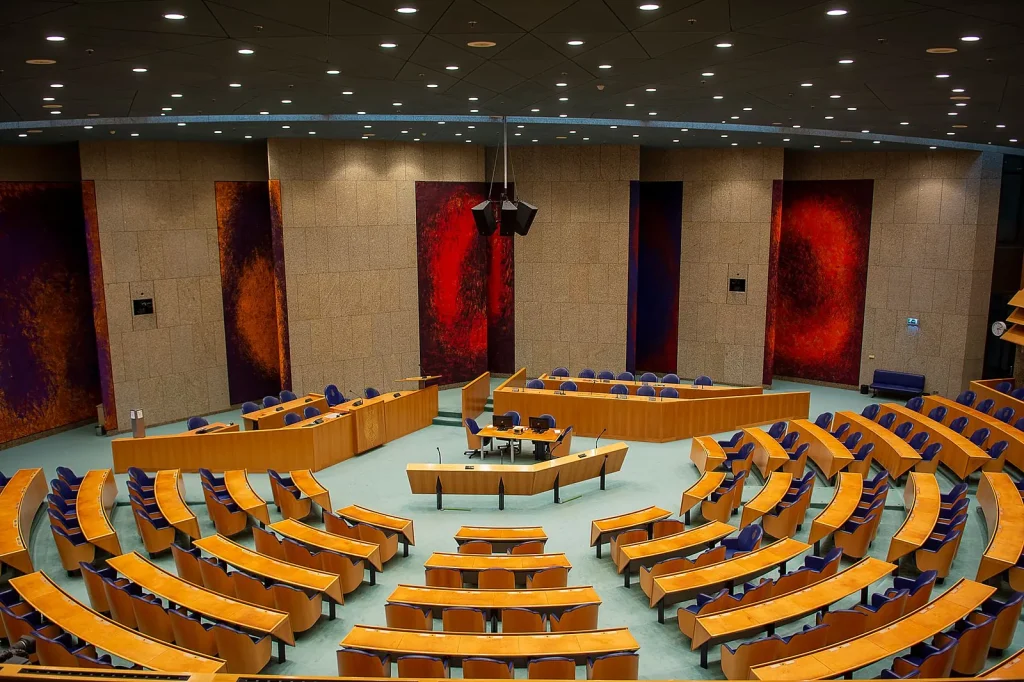
NOS reported that debates in the Tweede Kamer and Eerste Kamer, the two houses of parliament, would follow the consultation. The report does not give dates for those debates.