Dutch senior housing investment gets €420 million boost
The Dutch government invests €420 million in senior housing to address shortages and improve accessibility for the elderly.

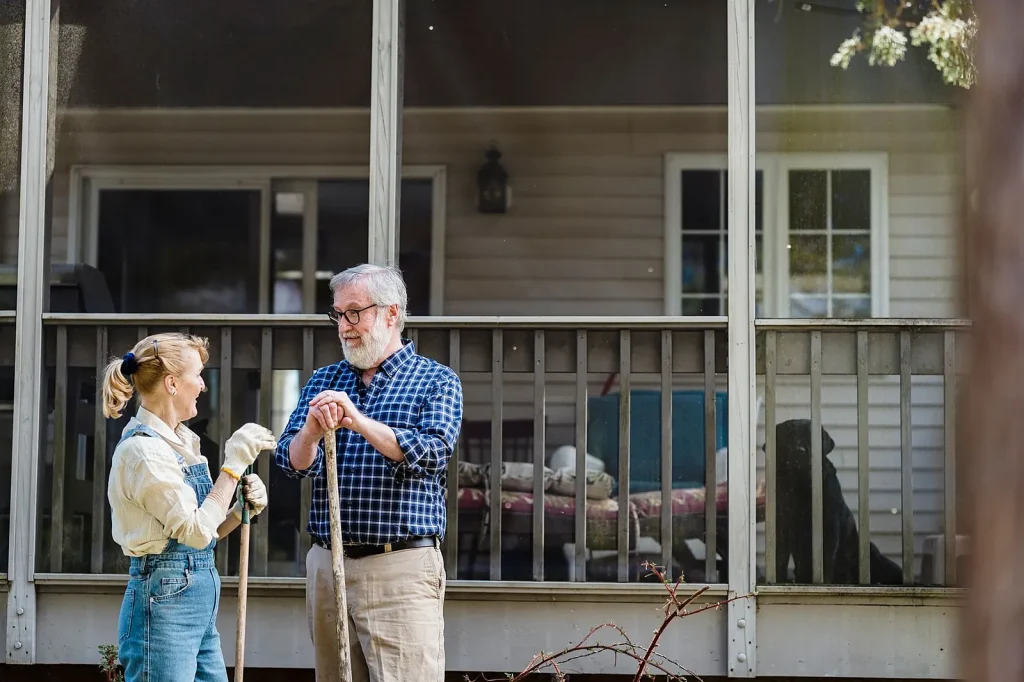
The Dutch government allocates €420 million to enhance senior housing, addressing shortages and improving accessibility.
The Dutch government has announced a significant investment of €420 million dedicated to senior housing. This substantial funding aims to address the pressing shortage of accessible homes for the elderly population in the Netherlands. As many seniors seek to move into smaller, more manageable homes, the demand for such accommodations has intensified.
The investment will accelerate the construction of accessible housing options, particularly focusing on ‘cluster homes’. These homes, often situated in communal settings known as ‘knarrenhofjes’, are designed to cater to seniors who require some assistance but do not need full-time care. The Ministry of Interior has emphasized the necessity of this subsidy, noting that constructing wheelchair-accessible apartments incurs higher costs than average homes.
Addressing the Housing Shortage
The shortage of suitable housing for seniors has become a critical issue. As the population ages, the need for ground-level, accessible homes has increased. This investment is seen as a strategic move to alleviate the housing crisis for the elderly, providing them with the opportunity to live independently while having access to necessary support.
Hugo de Jonge, Minister of the Interior, who oversees housing policies, explained the importance of this initiative: “A wheelchair-friendly apartment costs more to build than an average home, which is why this funding is crucial.” The government aims to ensure that seniors can find homes that meet their needs without financial strain.
Focus on Accessibility
The investment will particularly target the development of homes that are easy to handle for those with mobility issues. By constructing more ‘knarrenhofjes’, the government hopes to create a supportive community environment for seniors, fostering social connections and reducing isolation.
These communal settings provide an ideal solution for seniors who wish to maintain their independence while having access to shared resources and assistance when needed. The concept has gained popularity in recent years, as it combines privacy with community support.
According to the Ministry of Interior, the construction of these homes will not only address immediate housing needs but also contribute to long-term sustainability. By investing in energy-efficient construction techniques, the government ensures that these homes are environmentally friendly and cost-effective in the long run.
The initiative reflects the Dutch government’s commitment to enhancing living conditions for its aging population. With this substantial investment, the government aims to set a benchmark for accessible housing, ensuring that all seniors have the opportunity to live comfortably and safely in their later years.
What Happens Next?
The next steps involve collaboration with local municipalities and housing associations to identify suitable locations for these developments. The government will work closely with stakeholders to ensure that the new housing projects meet the specific needs of the communities they serve.
As the construction of these homes begins, the government will monitor progress and gather feedback from residents to continually improve the living conditions offered. This approach aims to create a sustainable model for senior housing that can be replicated across the country.
the €420 million investment in senior housing represents a crucial step towards addressing the housing shortage facing the elderly in the Netherlands. By focusing on accessibility and community living, the Dutch government demonstrates its dedication to improving the quality of life for seniors nationwide.