Dutch SME Investment Decline Hits 50% Amid Rising Costs
Dutch SMEs are delaying investments due to rising costs and regulatory uncertainty, with sectors like construction and retail being heavily impacted.

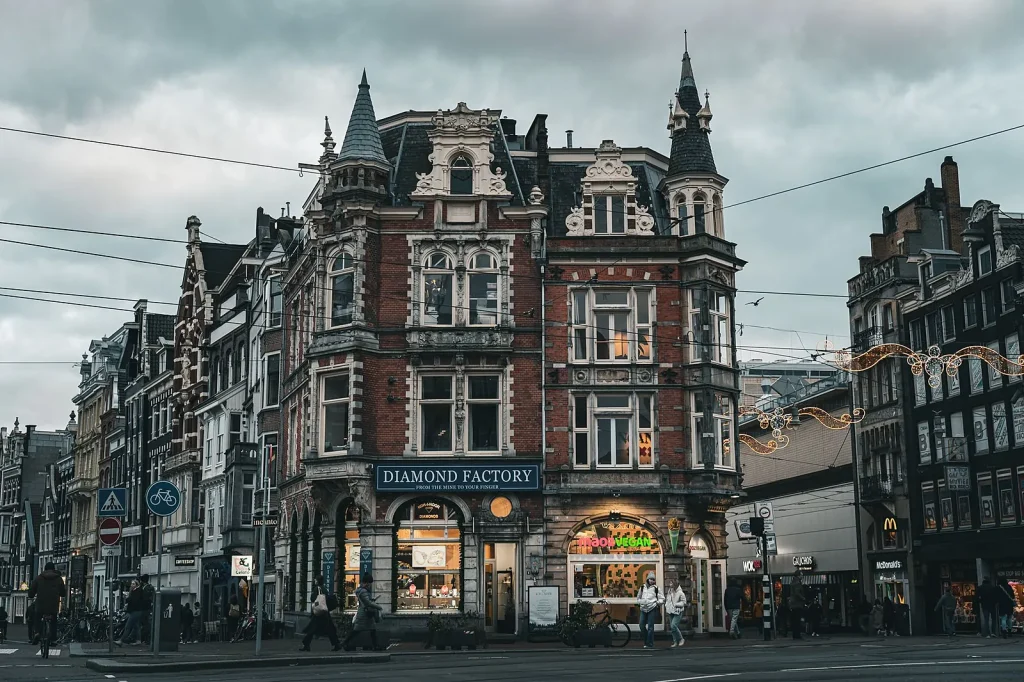
Rising costs and regulatory uncertainty lead to a slowdown in Dutch SME investments, potentially impacting economic growth.
Investments by Dutch small and medium-sized enterprises (SMEs) have seen a notable decline, raising concerns about potential impacts on economic growth and innovation in the Netherlands.
Rising operational costs are a significant factor driving this slowdown. According to the accountants’ association SRA, many SMEs are choosing to delay expenditures on essential items such as new vehicles, staff training, and facility upgrades. The construction, hospitality, and retail sectors are particularly affected, facing increasing labor and material costs.
Regulatory Uncertainty Adds to Hesitation
Uncertainty over future regulations is another critical factor causing hesitation among Dutch SMEs. Fluctuating plans for urban environmental zones have left businesses unsure about the future, leading some to save profits rather than invest. This caution is seen as a response to potential changes that could affect their operations significantly.
Jan de Vries, a financial analyst at Rabobank, said, “The uncertainty surrounding regulatory changes is making it difficult for SMEs to plan long-term investments. Many are adopting a wait-and-see approach, which is understandable given the current climate.”
Impact on Key Sectors
The construction sector, which relies heavily on investments for growth, is feeling the pinch. Rising labor costs and material prices are squeezing profit margins, making it challenging to undertake new projects. Similarly, the hospitality and retail sectors are struggling with increased expenses, leading to a slowdown in planned expansions and upgrades.
The SRA’s report highlights that many SMEs are holding back on purchasing new equipment or expanding their workforce. This reduction in investment could have long-term implications for the Dutch economy, particularly in terms of innovation and competitiveness.
In the hospitality sector, businesses are cautious about investing in new facilities or staff training due to the unpredictability of tourist numbers and fluctuating demand. Meanwhile, retailers are facing challenges in upgrading their infrastructure, affecting their ability to compete in a rapidly changing market.
Background
In 2025, the Dutch economy faced several challenges that contributed to the current investment climate. Stagnating profits among SMEs were a significant issue, with many businesses unable to generate the revenue needed to support new investments. Additionally, external economic pressures, such as global supply chain disruptions and inflation, exacerbated these challenges.
The Dutch government has been working to address some of these issues, but uncertainty remains a significant barrier for businesses. Efforts to clarify regulatory changes and provide support to SMEs are ongoing, but the impact of these measures will take time to materialize.
What Happens Next?
Looking ahead, the outlook for Dutch SMEs remains uncertain. While some businesses are cautiously optimistic about future growth, others remain wary of the challenges ahead. The government’s role in providing clarity and support will be crucial in helping SMEs handle these turbulent times.
Efforts to stabilize the economic environment and provide clear guidance on regulatory changes could help restore confidence among SMEs. However, until these measures are fully implemented, many businesses are likely to continue their cautious approach to investment.
As the situation evolves, it will be essential for policymakers and industry leaders to work together to support SMEs and ensure their continued contribution to the Dutch economy.
For more information on the current economic outlook, visit the CBS or learn about business regulations at rijksoverheid.nl.