Dutch Tap Water Contamination Spurs Urgent Government Action
Dutch tap water contamination with PFAS has raised public health concerns.

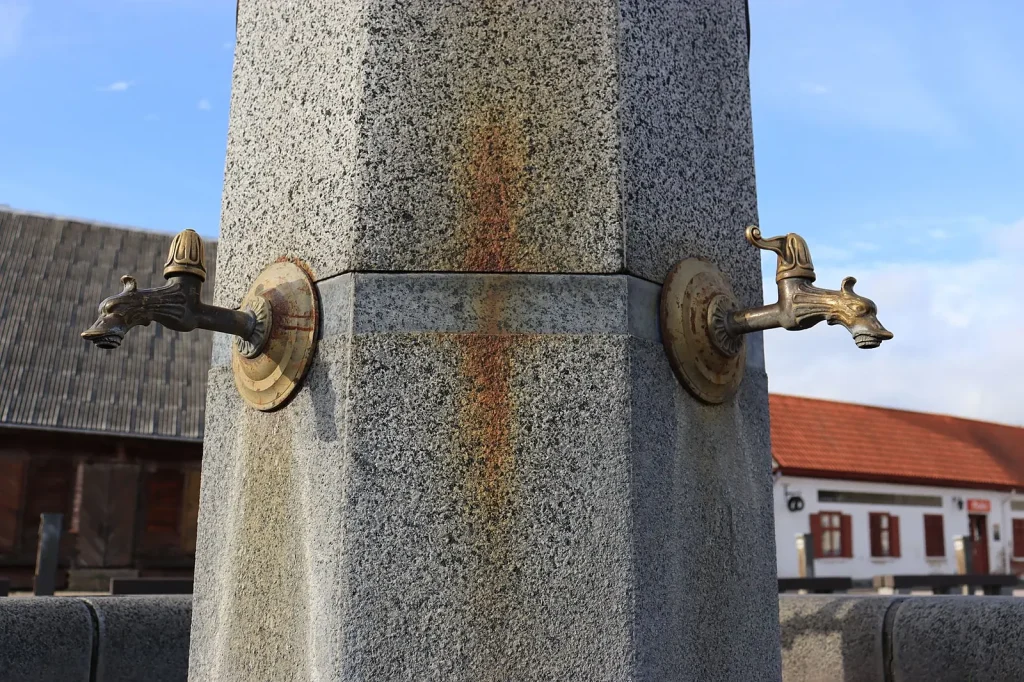
Widespread presence of PFAS in Dutch tap water raises health concerns and demands government intervention.
Many households across the Netherlands are facing a worrying issue: the contamination of tap water with excessive chemical substances.
The Threat of PFAS
PFAS are synthetic chemicals used in various industrial and consumer products for their resistance to water, oil, and heat. However, their persistence in the environment and potential health risks have made them a growing concern worldwide.
Calls for Government Action
Public health experts emphasize the need for stricter water quality standards and immediate measures to reduce PFAS levels in water supplies.
What this means for people living in the Netherlands
For residents, this issue means taking extra precautions when it comes to water consumption. While the government works on long-term solutions, individuals can reduce their exposure by using water filters certified to remove PFAS. It’s also advisable to stay informed about updates from local authorities and water suppliers.
For more information on water safety and quality standards, residents can visit the official websites of the Dutch government and the RIVM, the National Institute for Public Health and the Environment.
Background on PFAS
PFAS have been used since the 1940s in products such as non-stick cookware, water-repellent clothing, and firefighting foams. Their widespread use and persistence have resulted in contamination of water supplies globally. Countries are now grappling with how to manage and mitigate these risks effectively.
What Happens Next?
As the situation develops, it remains crucial for both the government and the public to work together to ensure safe drinking water for everyone in the Netherlands.