Dutch traffic congestion soars to 1023 km during Ascension weekend
Dutch traffic congestion hit 1023 km as Ascension weekend travel and cool weather pushed more commuters onto the roads.

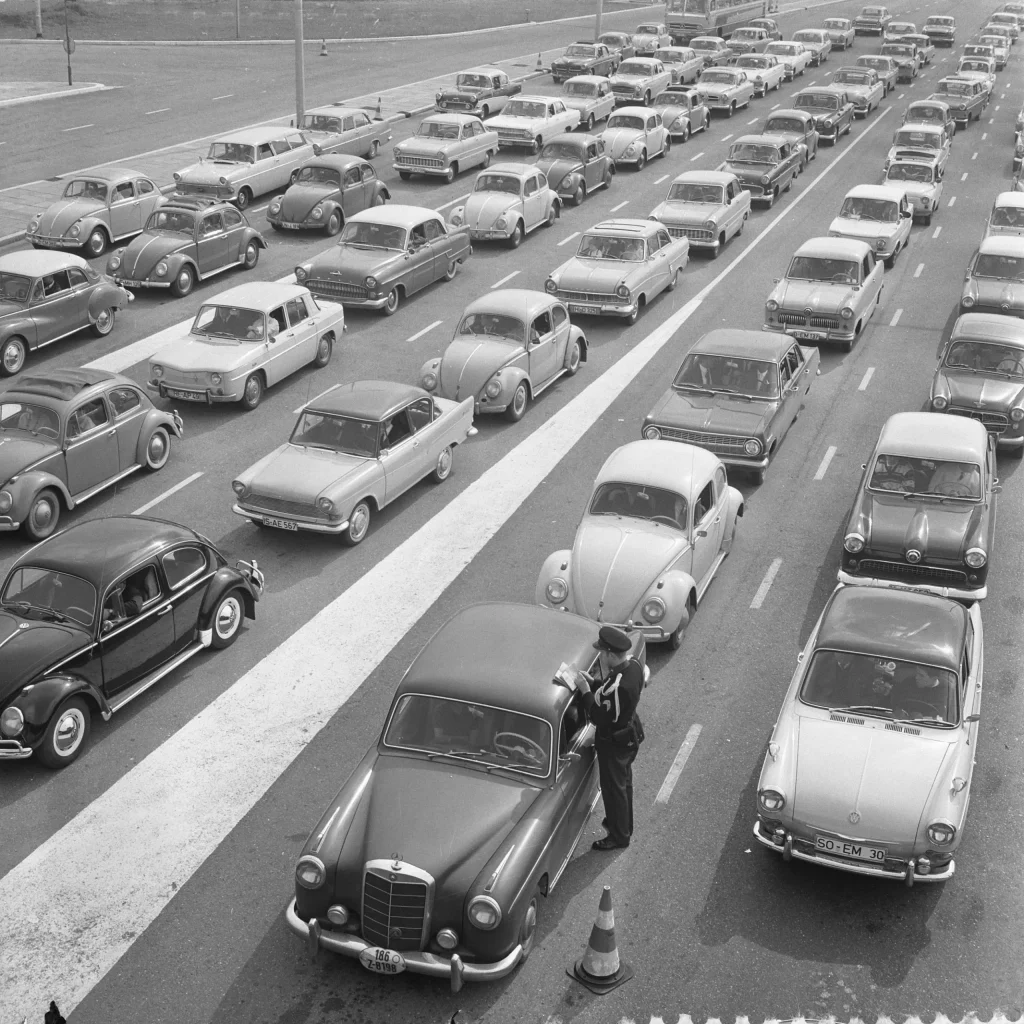
Ascension weekend and cool weather lead to record traffic jams on Dutch roads.
Dutch traffic congestion reached an unprecedented 1023 kilometers recently, as Ascension weekend travel caused severe road blockages. The Dutch road assistance organization ANWB reported this as the busiest traffic jam of the year. Many travelers took to the roads for short holidays, and the cool weather prompted more people to commute by car instead of using public transport.
Impact of Ascension Weekend
The Ascension weekend, a popular time for short breaks, significantly contributed to the traffic chaos. Many Dutch citizens seize this opportunity to escape the routine and head out for mini-vacations. As a result, roads across the country became heavily congested. The ANWB noted that this yearly trend is exacerbated by the combination of a long weekend and unpredictable weather conditions.
In particular, highways connecting major cities such as Amsterdam, Rotterdam, and Utrecht experienced severe slowdowns. Travelers reported delays of several hours, with some opting to turn back home rather than face the gridlock. This scenario is a reminder of the recurring traffic challenges during peak holiday periods.
Weather-Driven Commuting Choices
In addition to the holiday rush, the weather played a crucial role in the increased road usage. The cool and variable conditions discouraged many from using bicycles or public transport. Instead, they chose the comfort of their cars, adding to the congestion.
According to the Royal Netherlands Meteorological Institute (KNMI), the weather during this period was cooler than average, with intermittent rain showers. This further discouraged alternative travel methods and led to overcrowded roads.
The preference for personal vehicles over public transport during such weather events highlights a persistent issue. The Dutch public transport system, while efficient, often sees reduced usage during adverse weather, pushing more commuters onto the roads.
Efforts by the Dutch national rail operator NS to promote train travel during holiday periods continue. However, the convenience and perceived safety of personal vehicles remain appealing to many, especially during unpredictable weather.
Addressing Infrastructure Stress
The unprecedented congestion has sparked discussions about the need to improve Dutch road infrastructure. The current infrastructure struggles to cope with the surge in vehicles during holiday periods. As the country continues to grow, these stress points become more apparent.
The agency responsible for Dutch roads and waterways, Rijkswaterstaat, is aware of these challenges. They are exploring solutions to manage traffic better during peak times. Potential strategies include enhancing road capacity, optimizing traffic flow with smart technology, and encouraging alternative travel methods.
Moreover, promoting flexible work arrangements and remote working could alleviate some pressure on the roads. Encouraging staggered travel times and remote work options could help distribute traffic more evenly throughout the day.
Looking Ahead
The recent traffic chaos serves as a wake-up call for both authorities and commuters. As the Netherlands continues to experience population growth and increased mobility, addressing traffic congestion becomes ever more critical.
In the short term, travelers are advised to plan their journeys carefully, considering alternative routes and travel times. Long-term solutions will require coordinated efforts between government bodies, transport agencies, and the public.
Ultimately, balancing convenience, sustainability, and infrastructure capacity will be key to managing Dutch traffic congestion effectively, especially during peak holiday periods.