Dutch traffic fines may rise again
Dutch traffic fines may rise again next year with inflation, adding to debate over road safety, fairness and household debt.

Traffic fines in the Netherlands may rise again next year. The cabinet wants the fines to increase with inflation.
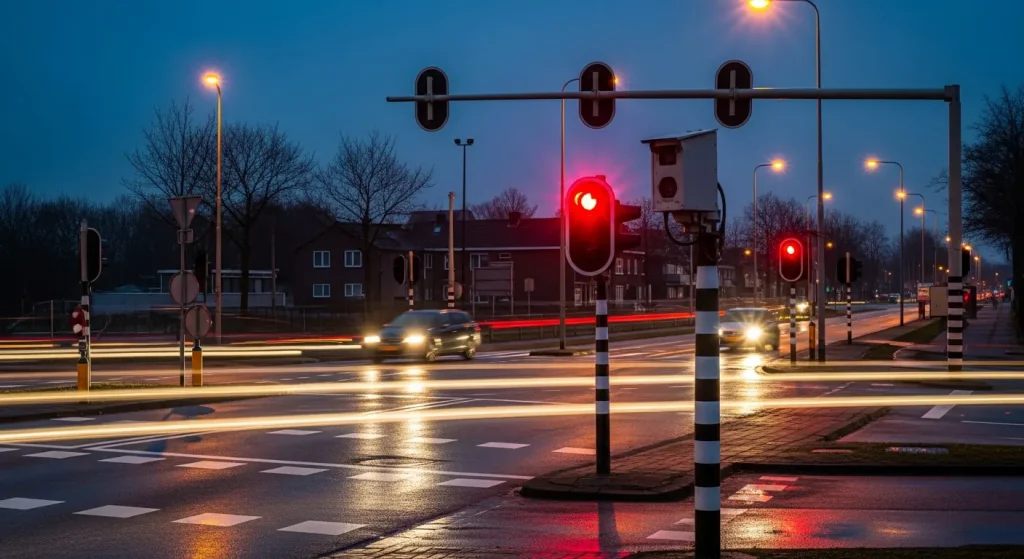
The expected rise is about 2.7 percent. A fine for running a red light would increase from 320 euros to 328 euros.
For many drivers, Dutch traffic fines already feel high. The new rise is likely to add to the debate about whether fines are mainly about road safety or also about government income.
The Netherlands has strict traffic rules. Speeding, holding a phone while driving, running a red light and parking offences can all lead to costly fines. These fines can come as a surprise, especially for drivers used to lower penalties elsewhere.
The system is designed to encourage safer behaviour. But critics have warned that some fines are becoming too high compared with other offences. There are also concerns about people who cannot pay on time. After reminders and extra costs, a fine can grow and become a debt problem.
This is where the debate becomes wider than transport. A traffic fine may be a small irritation for someone with a high income. For a low-income household, it can become a serious financial problem.
The government also depends on fine income. Traffic fines bring in a large amount of money for the state each year. That makes the debate sensitive. If fines rise with inflation, revenue rises too.
Supporters of higher fines argue that dangerous behaviour should be discouraged. Running a red light, speeding or using a phone behind the wheel can have serious results. They say fines must be high enough to change behaviour.
Opponents argue that fines should stay proportionate. They say the government should not use road safety rules to fill budget gaps. They also want more attention to debt prevention and fair enforcement.
For international residents, the practical message is simple. Learn Dutch traffic rules before driving. Pay attention to speed limits, cycling priority, bus lanes, parking zones and red lights. Dutch enforcement can be strict and fines can arrive by post.
The final decision will depend on the political process. But if the plan goes ahead, drivers should expect higher fines next year.