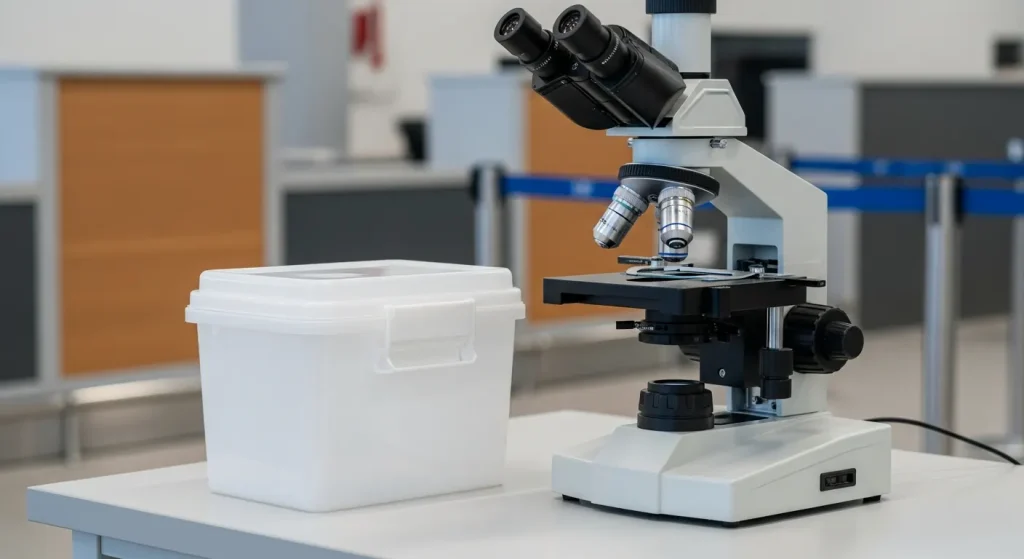
Dutch virologist charged in US over mpox samples
A Dutch virologist has been charged in the United States over undeclared deactivated mpox samples brought from Africa.

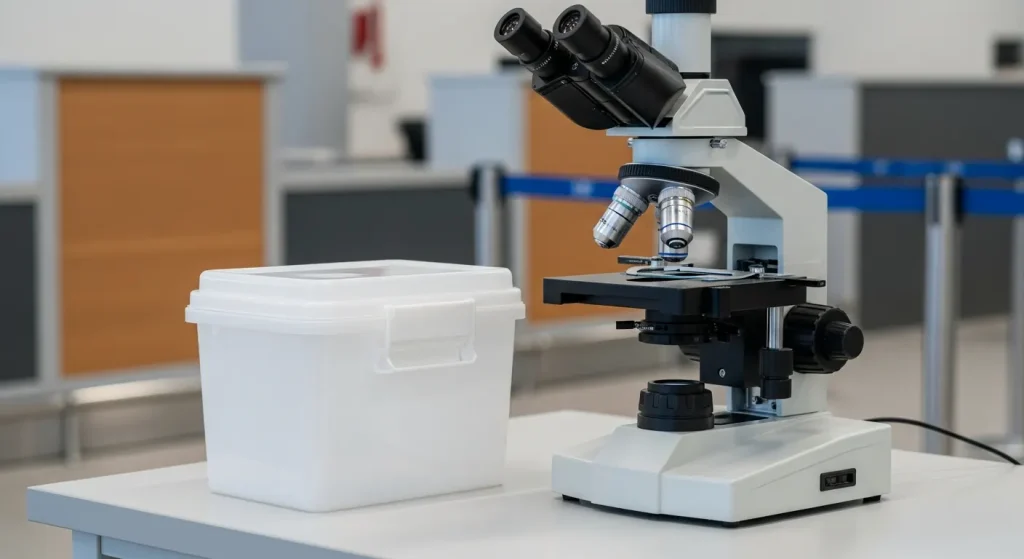
A Dutch virologist has been charged in the United States over undeclared mpox samples brought from Africa.
A researcher from Cameroon is facing the same case. US authorities say the two were stopped at Detroit airport in January after travelling from Paris and after spending nine days in the Republic of Congo.
According to the FBI, the Dutch researcher denied carrying biological material or samples. Later checks found tubes containing deactivated mpox virus.
A deactivated virus is treated so that it cannot multiply or cause infection. This means the samples were not the same as live infectious material. But US authorities still treat the case seriously because biological samples are subject to strict transport and declaration rules.
The prosecutors say the samples were brought on a full commercial aircraft from an outbreak area.
The legal documents do not state why the researchers may have wanted to bring the samples to their laboratory. The FBI says both researchers have done extensive work on mpox.
The American laboratory where the researchers work says it is cooperating with authorities and will not comment further while the investigation continues.
Mpox was previously known as monkeypox. The virus has its origins in the Democratic Republic of Congo, where many infections still occur.
The virus can spread from animals to humans, but also between people. Human to human spread can happen through close physical contact, including intimate contact.
Symptoms often begin with fever, headache, muscle pain, swollen lymph nodes, chills and tiredness. A rash can appear after a few days. The rash develops into blisters, which later dry and fall off. Most cases are mild, and the disease is rarely deadly in western countries.
The case is not mainly about whether mpox can be researched. Scientific research on viruses is important for public health, vaccines and outbreak control.
The issue is how biological material is transported. Even when samples are deactivated, rules exist to protect passengers, border staff, laboratory workers and public trust.
Transporting biological samples usually requires correct packaging, paperwork, permits and declarations. If those steps are skipped, authorities may treat the situation as a serious breach.
The case also shows how sensitive infectious disease research has become. Since the Covid pandemic, public attention to laboratories, virus samples and international health rules has grown sharply.
The researchers are accused, not convicted. The court process will have to determine what happened, what the researchers knew and whether US law was broken.