Dutch Wolf Management Seeks German Help for Livestock Safety
The Netherlands has requested Germany's help in managing its wolf population as concerns grow over livestock protection.

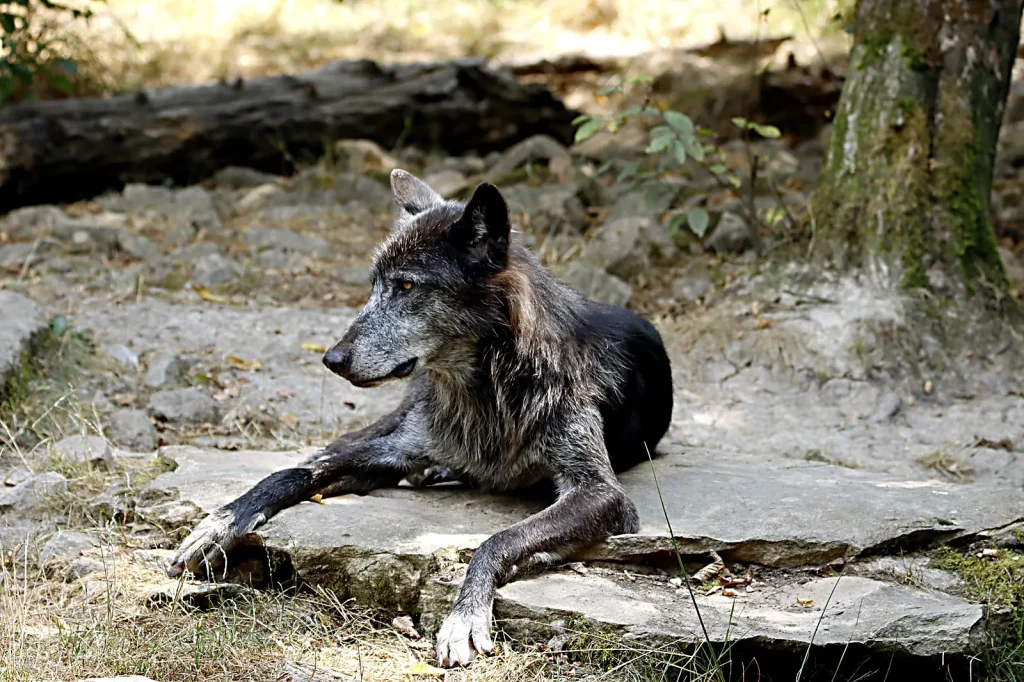
The Netherlands seeks German expertise to manage rising wolf populations and protect livestock.
The Netherlands has formally requested assistance from Germany to manage its growing wolf population. This request aims to address increasing concerns over livestock protection. Authorities recognize the need for effective strategies in balancing ecological preservation with agricultural demands.
Why Germany’s Expertise Matters
Germany’s experience in wolf conservation and control makes them a valuable partner. The country has developed comprehensive management plans that balance wolf protection with human and livestock safety. The Netherlands hopes to use this expertise to create a similar framework.
The approach involves developing cross-border strategies. These include monitoring wolf movements, improving livestock protection measures, and implementing public awareness campaigns. Cooperation is seen as crucial for maintaining ecological balance while supporting farmers.
Challenges in Wolf Management
The resurgence of wolves in the Netherlands has led to increased livestock attacks, causing concern among farmers. According to the Dutch government, effective management is needed to prevent economic losses and ensure the safety of rural communities.
Wolves were nearly extinct in Western Europe by the 20th century but have been making a comeback due to conservation efforts. While their return is considered a success for biodiversity, it presents new challenges for human-wildlife coexistence.
German collaboration is expected to provide insights into managing these challenges. Their methods may include non-lethal deterrents and compensation schemes for affected farmers, which have been successful in other regions.
Background
The wolf population in the Netherlands has been rising since the early 2000s. This increase is attributed to migration from Germany and Poland, where conservation efforts have been in place for decades. However, with this rise comes the need for sustainable management practices.
The Dutch government has been proactive in addressing these issues. They have implemented measures such as electric fencing and livestock guardian dogs. However, the growing population requires more comprehensive solutions.
What Happens Next
The next step involves formal negotiations between the Dutch and German governments. These discussions will focus on creating a bilateral agreement to facilitate information exchange and joint initiatives. The outcome could set a precedent for other European countries facing similar challenges.
By working together, the Netherlands and Germany hope to develop a model for sustainable wolf management. This collaboration emphasizes the importance of international cooperation in addressing environmental and agricultural issues.
Overall, the initiative reflects a commitment to preserving biodiversity while protecting livelihoods. The outcome of this partnership may influence future conservation policies across Europe.
For more information about wolf management strategies, visit official resources such as rijksoverheid.nl and politie.nl.