Eindhoven photo error ignites privacy concerns over minors
The Eindhoven photo error by police highlights crucial privacy concerns, especially regarding minors, prompting discussions on safeguarding protocols.

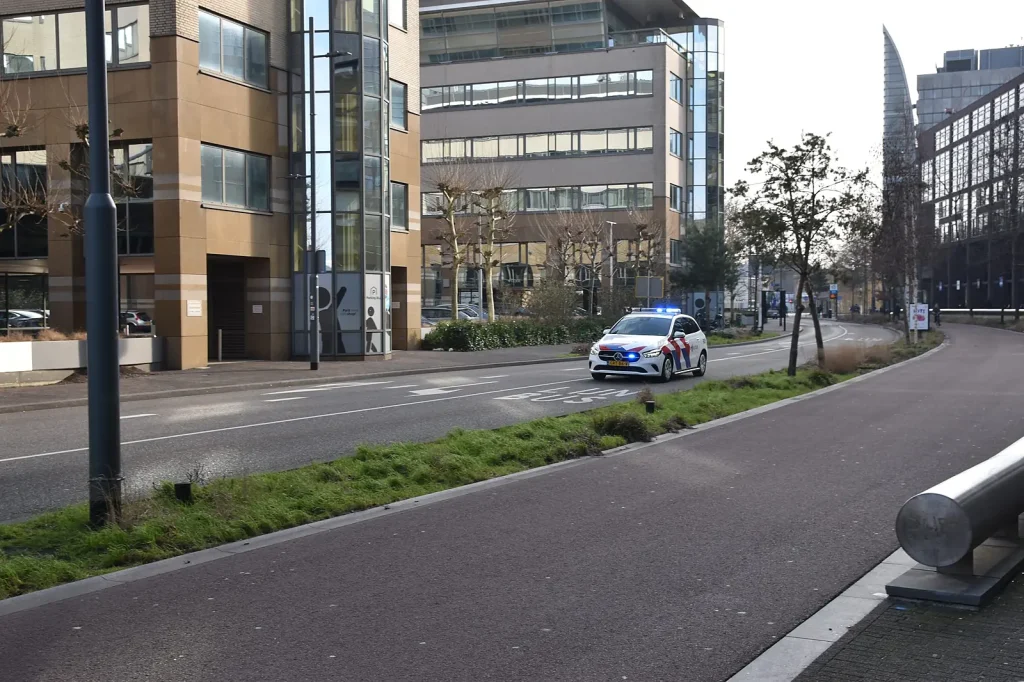
Police mistakenly shared a minor’s photo, raising privacy issues.
The Eindhoven photo error involving the Dutch police has raised significant concerns about privacy and consent. Recently, police mistakenly shared a photo of a minor victim in Eindhoven, a city in the southern Netherlands. This incident has sparked discussions about the importance of safeguarding minors’ privacy in today’s digital age.
The photo was published without obtaining prior consent from the victim’s parents. It was part of an appeal for information on a suspect involved in an ongoing assault investigation. The image was quickly removed after the victim’s parents requested its deletion, highlighting the need for stricter protocols in handling sensitive cases.
Police Acknowledge Mistake
The Dutch police have issued a formal apology, acknowledging the error and expressing regret over the incident. They emphasized their commitment to protecting privacy, especially for minors involved in criminal investigations. This apology, however, does not erase the concerns raised by the incident.
In their statement, the police stressed the importance of obtaining consent before publishing any images of minors. They assured the public that measures would be put in place to prevent similar occurrences in the future.
Privacy Concerns and Public Response
The Eindhoven photo error has reignited discussions on privacy rights and the handling of sensitive information by authorities. Many are questioning the existing protocols and whether they sufficiently protect minors in such situations.
Privacy experts argue that this incident underscores the need for comprehensive training and guidelines for law enforcement agencies. They suggest that clear procedures should be established to ensure that minors’ rights are not violated in the course of investigations.
Moreover, the public response has been one of concern and demand for accountability. Citizens are calling for transparency in how such errors are addressed and rectified. This incident has also prompted discussions on the role of media in safeguarding privacy, particularly when it involves vulnerable individuals.
Learn more about police protocols and how they aim to protect privacy rights in the Netherlands.
Background
Eindhoven, known for its technological advancements and vibrant culture, is generally a safe city. However, like any urban area, it occasionally deals with criminal activities. The recent incident involving the minor highlights the delicate balance between public safety and individual privacy.
In the Netherlands, privacy laws are stringent, particularly concerning minors. The General Data Protection Regulation (GDPR) provides a robust framework to protect personal data. Yet, incidents like the Eindhoven photo error reveal gaps that need addressing.
Explore the Dutch government’s stance on privacy and data protection.
What Happens Next?
Following the Eindhoven photo error, authorities are reviewing their procedures to prevent future mistakes. This includes revisiting consent protocols and enhancing training for officers involved in public communications.
The incident also calls for a broader dialogue on how digital information is managed by law enforcement. Ensuring transparency and accountability will be crucial in rebuilding public trust.
In conclusion, the Eindhoven photo error serves as a reminder of the ongoing challenges in balancing privacy and public safety. It highlights the critical need for vigilance and respect for consent, especially when dealing with minors. The incident has not only sparked discussions but also provided an opportunity for authorities to improve and adapt their protocols in the digital age.