Extreme Heat Drops Dutch Spending by 15%
Extreme heat in the Netherlands led to a 15% drop in spending. Urban areas saw increased expenses despite the first code red warning.

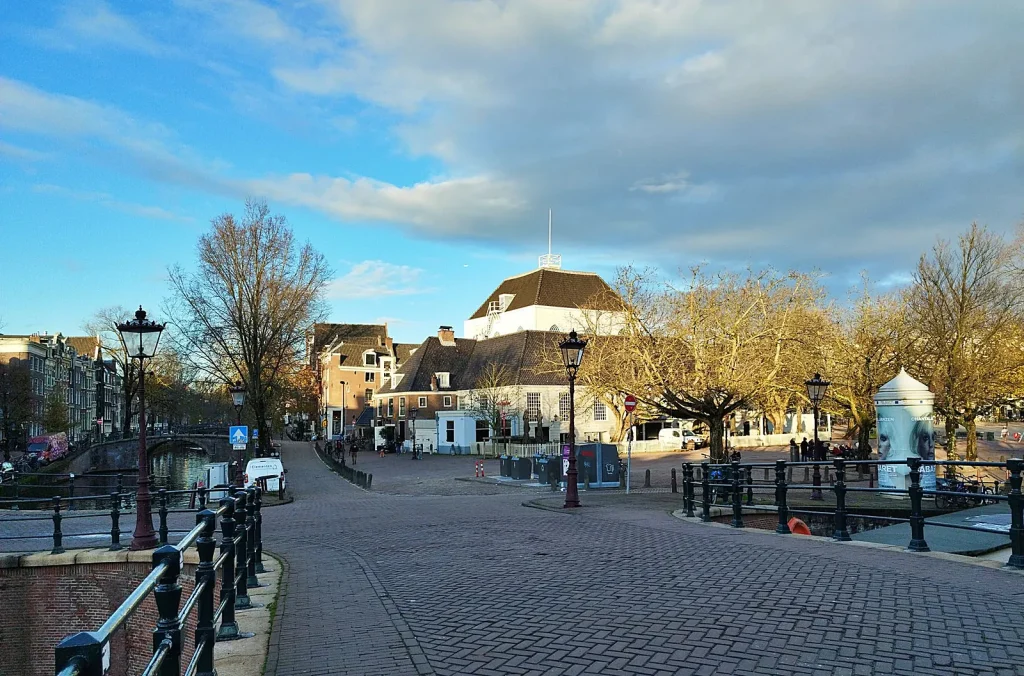
Urban residents spend more despite first-ever code red heat warning in 2026.
In 2026, the Netherlands faced its first code red warning for extreme heat, issued by KNMI, the Dutch meteorological institute. This rare weather event had a marked impact on consumer spending habits across the country.
Spending Drops Amid Heatwave
Data from ABN Amro, a leading Dutch bank, revealed a significant 15% drop in spending during the peak of the heatwave. The temperatures soared to 39 degrees Celsius, causing many to reconsider their spending priorities. The decline was particularly noticeable in rural areas, where residents curtailed non-essential expenditures.
In contrast, urban dwellers in cities like Amsterdam and Rotterdam increased their spending. They invested more in cooling facilities and outdoor dining, seeking relief from the oppressive heat. This divergence highlights the varying impacts of extreme weather on different regions within the Netherlands.
Urban vs. Rural Spending Habits
Urban areas experienced a surge in spending, primarily driven by the need for air conditioning and other cooling solutions. Restaurants and cafes with outdoor seating witnessed increased patronage as residents sought to escape the heat indoors. However, rural communities, home to a higher number of elderly and vulnerable individuals, saw a more cautious approach to spending.
This cautiousness in rural areas is attributed to the demographic makeup, where a significant proportion of the population consists of older residents who are more susceptible to heat-related health issues. Consequently, they prioritized essential needs over discretionary spending.
Climate Change and Economic Behavior
The impact of extreme heat on spending patterns shows a broader concern about climate change and its influence on economic activity. As weather events become more severe and frequent, they are likely to continue affecting how and where people spend their money.
According to a spokesperson from ABN Amro, “The recent heatwave demonstrates the immediate effect of climate conditions on consumer behavior. Businesses need to adapt to these changes to sustain economic stability.” This statement reflects the growing recognition that climate change is not just an environmental issue but an economic one as well.
What Happens Next?
Looking ahead, experts suggest that businesses in the Netherlands may need to develop strategies to cope with the economic impacts of extreme weather. This includes investing in infrastructure that can handle higher temperatures and providing services that cater to changing consumer needs.
policymakers might consider implementing measures to support rural communities, ensuring they have the resources to adapt to such climatic challenges. The experience of 2026 could serve as a wake-up call for both the government and businesses to take proactive steps in mitigating the effects of climate change on the economy.
the extreme heat of 2026 has brought to light the complex relationship between weather events and spending habits in the Netherlands. As the country grapples with the realities of climate change, understanding these dynamics will be crucial for maintaining economic resilience.
For more information on how climate change is affecting various sectors in the Netherlands, visit rijksoverheid.nl or explore climate data at knmi.nl.