Hantavirus outbreak over: 13 cases on Dutch ship confirmed
The hantavirus outbreak linked to the Dutch cruise ship MV Hondius is officially over, marking a relief for global public health.

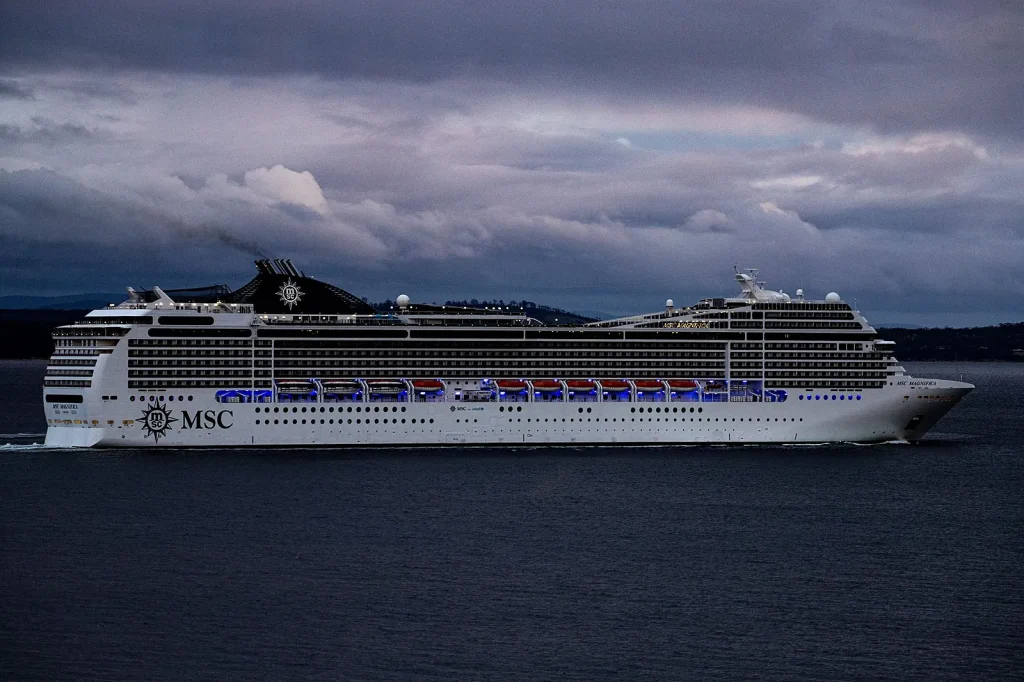
WHO declares the hantavirus outbreak linked to a Dutch cruise ship officially over, alleviating global public health concerns.
The World Health Organization (WHO) has declared the hantavirus outbreak officially over. The outbreak, which began on the Dutch cruise ship MV Hondius, saw 13 infections. Tragically, three lives were lost, including a Dutch couple. This announcement brings relief to public health officials and communities worldwide.
Details of the Outbreak
The outbreak was traced back to the MV Hondius, a cruise ship that had been traveling internationally. The virus identified was the Andes variant, known for its ability to spread from person to person. This characteristic heightened global concern, as hantavirus traditionally spreads through rodent contact. The Dutch couple, who were among the fatalities, highlighted the virus’s severe impact.
Efforts to contain the virus were swift. Health authorities in the Netherlands worked closely with international partners to monitor and control the spread. The WHO confirmed that no new cases have been reported recently, indicating successful containment.
Global Response and Future Prevention
The global response to the outbreak involved collaboration between various health organizations. The WHO, along with local health authorities, implemented measures to prevent further infections. Public awareness campaigns were launched to educate about hantavirus and its transmission methods.
Dr. Maria van Kerkhove, an epidemiologist at WHO, stated, “The declaration that the outbreak is over marks a significant milestone in our ongoing efforts to combat infectious diseases globally.” The organization continues to research the virus, aiming to develop better preventive strategies.
The hantavirus outbreak’s end reassures not just those directly affected but also the broader public. The quick response and effective containment highlight the importance of international cooperation in public health crises.
As the world moves forward, the focus remains on understanding the virus better. Researchers are keen to study the Andes variant further to prevent similar outbreaks in the future.
Background
Hantavirus is primarily found in rodents, and human infections occur through contact with rodent urine or droppings. The Andes variant, however, is unique in its human-to-human transmission ability. This variant is mainly found in South America, where it has caused outbreaks in the past.
The outbreak on the MV Hondius is a reminder of the potential for viruses to spread rapidly in confined environments like cruise ships. The incident shows the need for stringent health protocols in such settings.
What Happens Next?
The WHO and other health organizations will continue to monitor for any potential new cases of hantavirus. Meanwhile, they are working on strategies to enhance surveillance and response capabilities. There is also ongoing research into vaccines and treatments for the virus.
For now, the declaration that the outbreak is over is a moment of relief. It demonstrates the effectiveness of coordinated health responses and the resilience of public health systems worldwide.
The Dutch cruise ship MV Hondius will resume its operations under strict health guidelines, ensuring the safety of its passengers and crew. The lessons learned from this outbreak will guide future efforts to prevent and manage similar incidents.
As communities worldwide breathe a sigh of relief, the focus remains on vigilance and preparedness. The end of this outbreak is a testament to the power of collaboration and swift action in the face of health threats.