Heatwave alters work practices as NL hits 30°C
Dutch workers adapt to heatwave with new practices, including early shifts and frequent breaks, as temperatures exceed 30°C.

Rising temperatures prompt changes in work hours and safety measures across the Netherlands.
The current heatwave in the Netherlands is significantly impacting work practices, especially for those who work outdoors. With temperatures soaring above 30 degrees Celsius, both public and private sectors are implementing new measures to ensure safety and maintain efficiency.
Adapting to the Heat
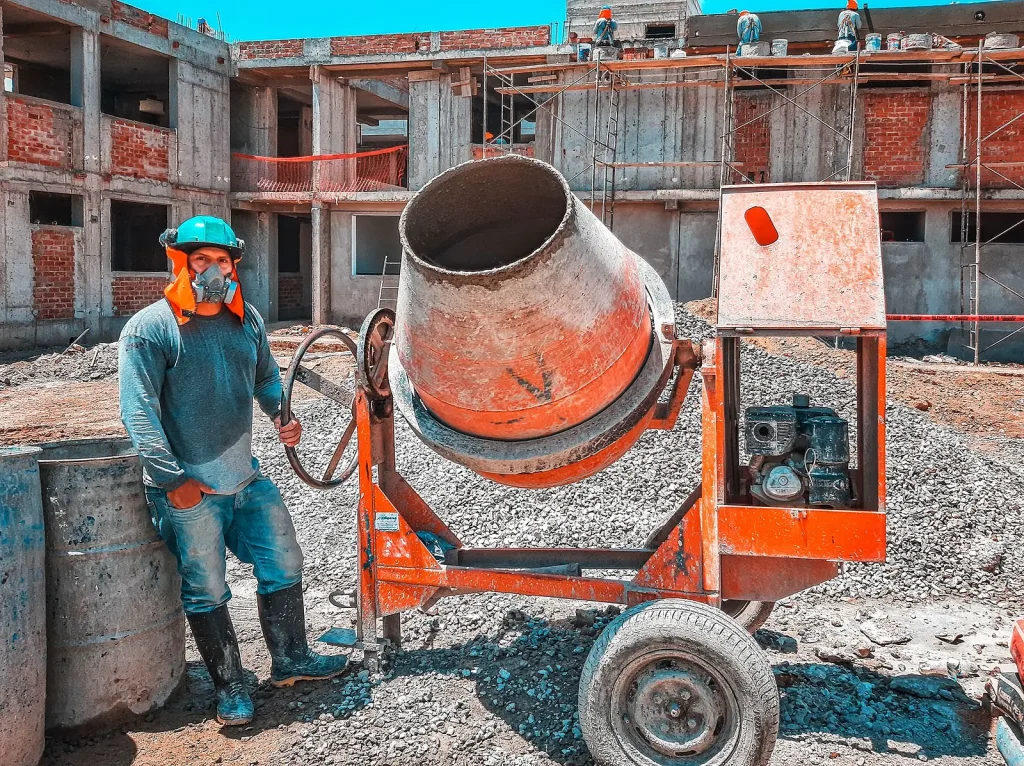
Outdoor workers, such as gardeners and construction crews, are at the forefront of these changes. Companies are now enforcing extended drink breaks and early work stoppages to protect staff from heat-related illnesses. Gerard Roseboom of Duravermeer, a construction firm, stated, “Our workers start early and finish by 1 PM to avoid the worst heat of the day.” This adjustment helps mitigate the risks associated with prolonged exposure to high temperatures.
Rijkswaterstaat, the Dutch agency responsible for roads and waterways, has recommended adjusting work hours to avoid peak heat times. This advice is crucial for maintaining public safety and ensuring that infrastructure projects continue without compromising worker health.
Widespread Changes
The measures being taken are not limited to the construction industry. Across various sectors, employers are increasingly aware of the need to adapt to extreme weather conditions. Hydration stations, shaded rest areas, and modified work schedules are becoming more common. These changes are essential to prevent heat exhaustion and other health issues.
The impact of the heatwave is also prompting discussions about long-term strategies for dealing with rising temperatures. As climate change continues to influence weather patterns, the need for resilient work practices becomes more apparent. Companies are now exploring permanent adjustments to their operations to better handle future heatwaves.
According to a report by the Koninklijk Nederlands Meteorologisch Instituut (KNMI), the frequency of heatwaves in the Netherlands is expected to increase. This prediction shows the importance of developing sustainable work practices that can withstand extreme weather events.
Background
The Netherlands, known for its moderate climate, has recently experienced more frequent and intense heatwaves. This trend is largely attributed to climate change, which is causing global temperatures to rise. The increased heat poses challenges not only to worker safety but also to productivity and economic stability.
In response, the Dutch government and various organizations are working on policies to address these challenges. Efforts include raising awareness about the risks of working in high temperatures and promoting best practices for heat adaptation.
What Happens Next?
As the country continues to grapple with extreme heat, there is a growing recognition of the need for comprehensive strategies to protect workers. This includes not only immediate measures but also long-term planning to ensure resilience against future weather extremes.
Organizations like Rijkswaterstaat are likely to play a key role in developing guidelines and recommendations. Collaboration between government agencies, businesses, and workers’ unions will be essential in crafting effective solutions.
Ultimately, the heatwave serves as a reminder of the urgent need to adapt to our changing climate. By implementing thoughtful and proactive measures, the Netherlands can safeguard its workforce and maintain productivity even in the face of rising temperatures.
For more information on heatwave safety and adaptation strategies, visit Rijksoverheid and KNMI.