Housing Permits Stagnation Threatens Dutch Market Growth
A significant number of housing permits in the Netherlands has not translated into increased availability, as delays and costs stall growth.

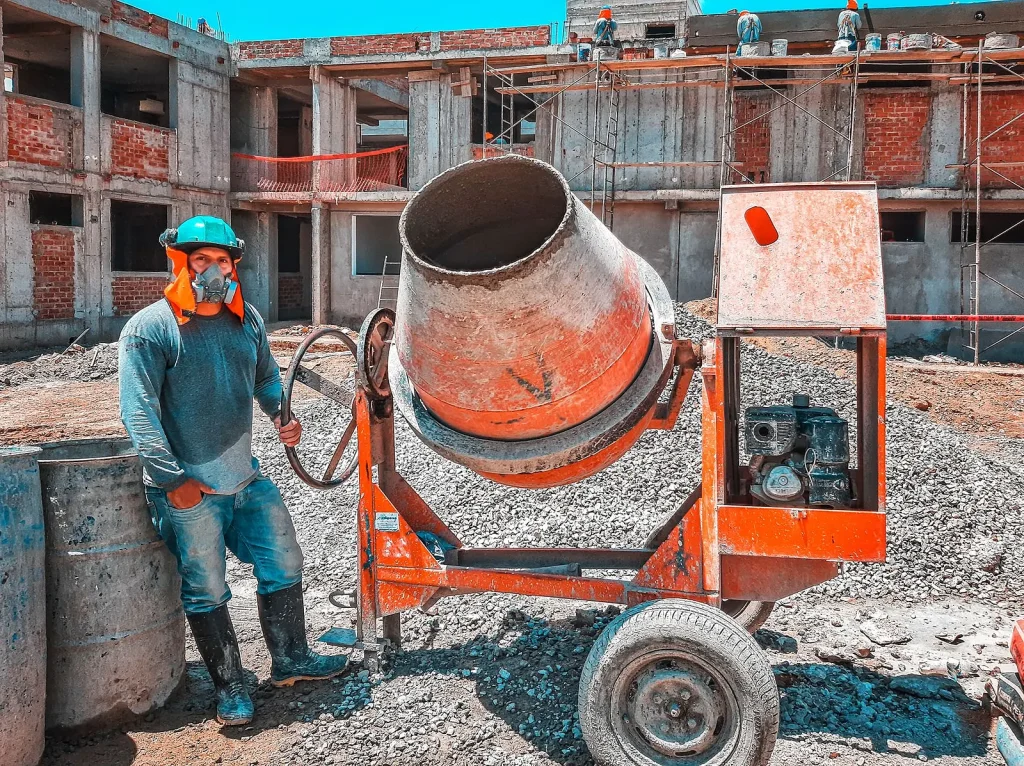
Despite record permits, housing availability in the Netherlands remains limited due to delays and costs.
The Netherlands is experiencing a paradox in its housing market. Despite a significant number of construction permits being issued, housing availability remains stagnant. This situation is impacting thousands of people seeking homes across the country.
Record Permits, Yet Limited Availability
Although many construction permits have been issued, this boom is not resulting in a corresponding increase in available housing. Many factors are contributing to this discrepancy, with construction delays and rising costs being the primary culprits.
Experts are concerned that the gap between the number of permits and actual housing availability may widen if these issues are not addressed. The construction sector is facing challenges that include supply chain disruptions and labor shortages, both of which are contributing to project delays.
Challenges Facing the Construction Sector
According to industry insiders, the cost of building materials has also surged, adding financial pressure to developers. This increase in costs is not only slowing down the pace of construction but is also affecting the affordability of new homes once they are completed.
regulatory hurdles and lengthy approval processes are exacerbating the situation. Developers often find themselves caught in bureaucratic red tape, which can delay projects for months, if not years.
As a result, the anticipated growth in housing availability has not materialized, leaving many potential homeowners in limbo. The demand for housing continues to outstrip supply, particularly in urban areas where the population is growing rapidly.
Addressing the Stagnation
To combat these challenges, experts are calling for simplified processes and more efficient strategies. “We need a concerted effort to ensure that approved projects are translated into tangible housing solutions,” said a spokesperson from Aedes, the association of housing corporations in the Netherlands. They emphasized the need for collaboration between government bodies and the construction industry to overcome these hurdles.
The Dutch government has acknowledged the issue and is reportedly exploring measures to accelerate construction timelines. These measures include reducing bureaucratic obstacles and providing financial incentives to developers to encourage faster completion of projects.
there is a push for innovative construction methods, such as modular and prefabricated housing, which could significantly reduce build times and costs.
What Happens Next?
The next few years will be critical in determining whether the Netherlands can close the gap between housing permits and actual availability. The government’s response to these challenges will be vital in shaping the future of the housing market.
In the meantime, those seeking housing may continue to face difficulties, as the current market conditions show no immediate signs of improvement. As the situation evolves, close attention will be paid to the effectiveness of any new policies and strategies implemented to address these pressing issues.
For more information on housing policies and updates, visit the official Dutch government website. Additional insights can be found on the Statistics Netherlands website.