Long-term Poverty Assistance Disparities Shake Dutch Welfare
Long-term poverty assistance in the Netherlands shows significant disparities, prompting calls for standardization to ensure fairness.

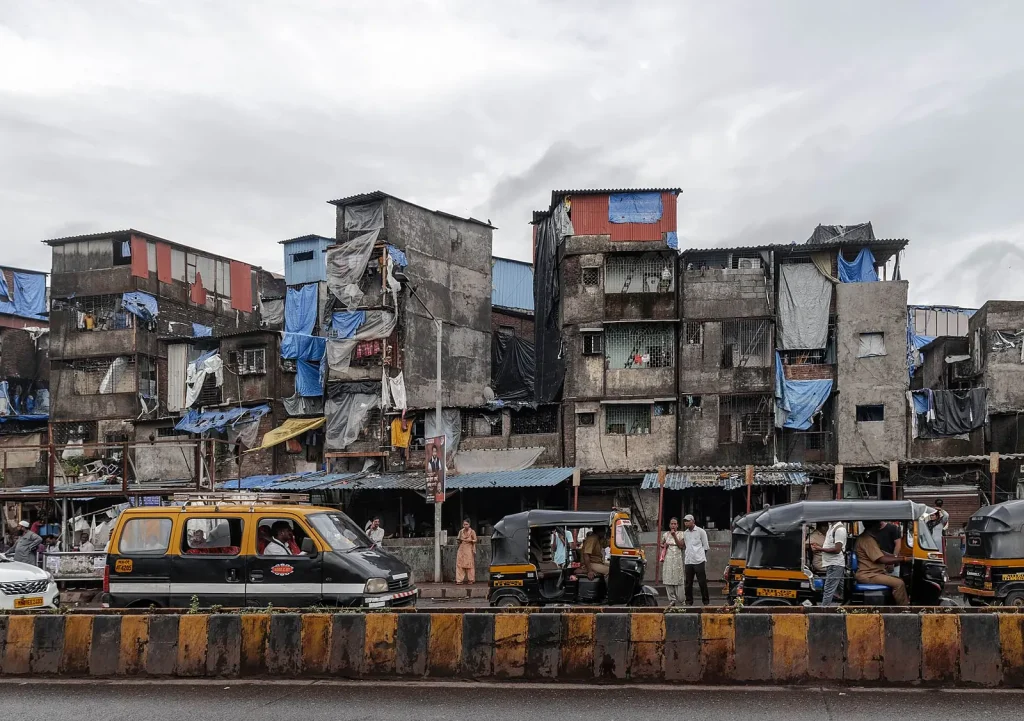
Disparities in assistance challenge equity, sparking calls for standardization in the Netherlands.
Long-term poverty assistance in the Netherlands reveals significant disparities, raising concerns about fairness in the social welfare system. Recent analysis shows that the amounts received by those in long-term poverty vary widely based on individual circumstances. This has led to debates about the equity and effectiveness of the current system.
The Dutch welfare system is designed to provide tailored support to those in need. However, this approach has resulted in inconsistent assistance, with some families receiving more aid than others in similar situations. The differences stem from various factors, including family size, location, and specific needs. Critics argue that these variations undermine the principle of equal support for all citizens.
Calls for Standardization
As the disparities become more apparent, calls for standardizing poverty assistance are growing louder. Experts and policymakers are urging reforms to create a more uniform support structure. By doing so, they aim to ensure that all families in long-term poverty receive equitable treatment and support.
Social welfare expert Dr. Janine van Dijk highlights the issue, saying, “The current system, while well-intentioned, inadvertently contributes to inequality. We need a standard approach to guarantee fairness for all vulnerable families.” Her sentiments are echoed by many who see the need for a consistent framework to address these disparities.
Impact on Vulnerable Families
The impact of these differences is significant for the families affected. Those receiving less assistance may struggle to meet basic needs, leading to further hardship. The disparities also challenge the broader goal of reducing poverty and promoting social equity in the Netherlands.
Rijksinstituut voor Volksgezondheid en Milieu (RIVM), the Dutch public health institute, reports that economic disparities can lead to health inequalities, further compounding the challenges faced by impoverished families. This highlights the importance of addressing the issue not only from a financial perspective but also considering the broader social implications.
While the government has made efforts to tailor support to individual needs, the lack of a standardized approach raises questions about the overall effectiveness of the welfare system. The current model aims to address unique circumstances, but it may also perpetuate existing inequalities.
What Happens Next?
The debate over long-term poverty assistance is likely to continue as more voices join the call for change. Policymakers must balance the need for personalized support with the demand for equity and fairness. The challenge lies in designing a system that provides adequate assistance to all, regardless of individual circumstances.
In the coming months, discussions are expected to intensify, with proposals for reform likely to emerge. The Tweede Kamer, the Dutch House of Representatives, may play a crucial role in shaping future policies. As the conversation evolves, the focus will be on finding solutions that ensure a fair and effective welfare system.
The disparities in long-term poverty assistance highlight a critical issue within the Dutch social welfare system. With growing calls for standardization, the Netherlands faces a key moment in addressing these inequalities. The outcome of this debate will have lasting implications for the country’s approach to social support and equity.
For more on the subject, visit the Rijksoverheid website or explore detailed statistics on CBS.