Mayors may get more power at demonstrations
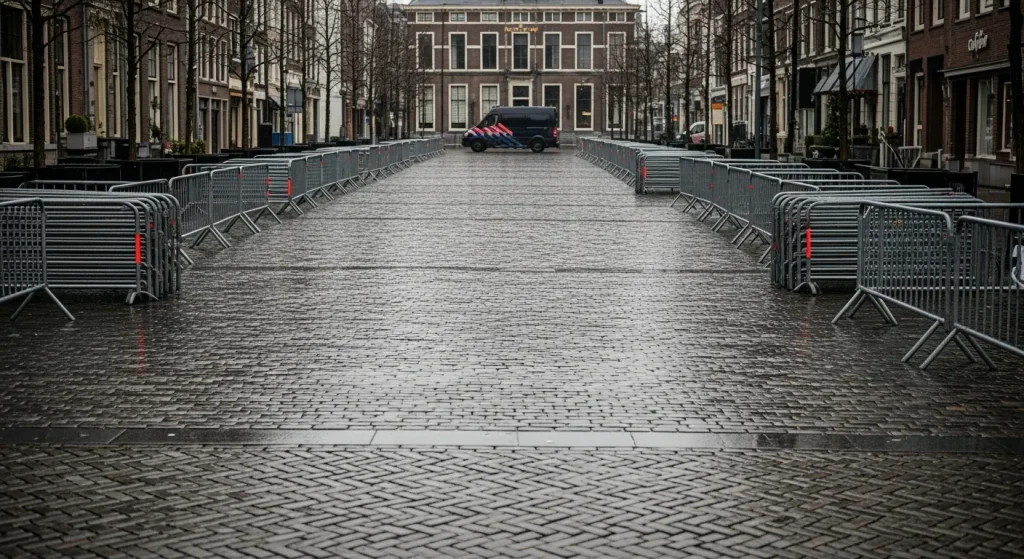
The Dutch cabinet wants mayors to get more power to intervene when demonstrations turn violent or seriously disrupt public order.

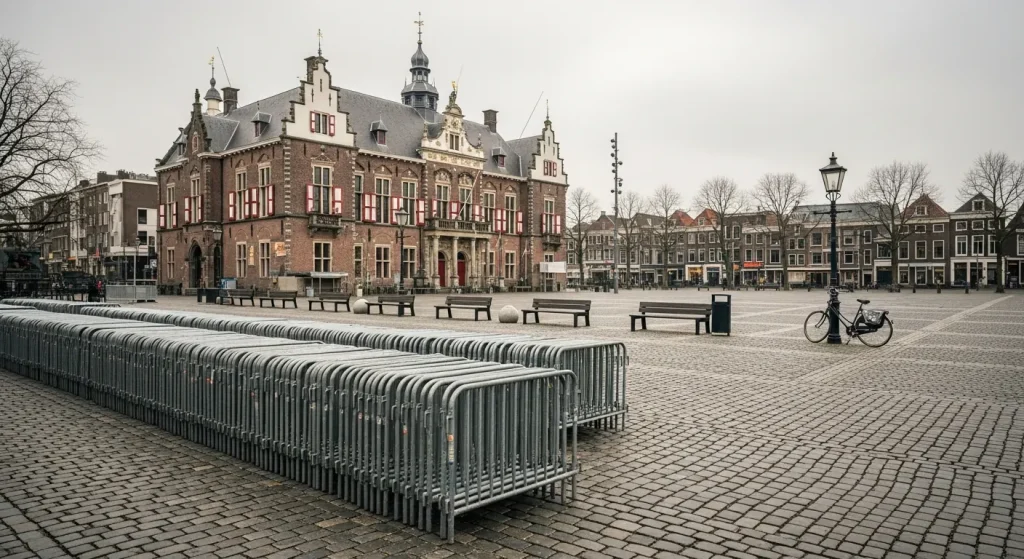
The Dutch cabinet wants mayors to get more power to intervene when demonstrations get out of hand.
The proposal would create a special emergency power for local authorities. This would give mayors more room to act than they currently have under existing public order laws.
The cabinet also wants local authorities to be able to move demonstrators in certain situations. This could include transporting people away from a location by bus.
Another part of the plan is stricter punishment for offences committed during demonstrations. Criminal courts may get more power to impose heavier penalties when violence, intimidation or destruction happens during a protest.
The government says the right to demonstrate remains protected. Peaceful protest is a core democratic right in the Netherlands. But ministers argue that violence against people, emergency workers, local politicians, buildings or goods is no longer protected as demonstration activity.
Recent examples have made the issue more urgent in public debate. The government points to anti asylum centre protests that escalated, and to actions by Extinction Rebellion, including a railway blockade near Utrecht despite a police ban.
Still, the cabinet says the plan was not created only because of the latest incidents. Work on changes to protest rules had already been underway for more than two years.
A research institute previously advised that the right to demonstrate itself does not need to be limited. But it did say that some parts of the system could be arranged more clearly.
One proposal that will not go ahead for now is a ban on face covering clothing at demonstrations. The cabinet says it wants to discuss alternatives with parliament after criticism of that idea.
The debate is delicate. Too little action can leave local authorities unable to stop dangerous situations. Too much power can create fear that peaceful protest will be restricted.
That balance is especially important in a country where demonstrations are common, from climate actions and housing protests to farmers’ protests and local opposition to asylum centres.
The next step is political debate in the Tweede Kamer. Parliament will have to decide how much extra power mayors should receive, and how to protect the right to protest at the same time.