Minke Whale Stranding on Vlieland Environmental Concerns
A minke whale stranding on Vlieland highlights the need for enhanced environmental monitoring in the Wadden Sea.

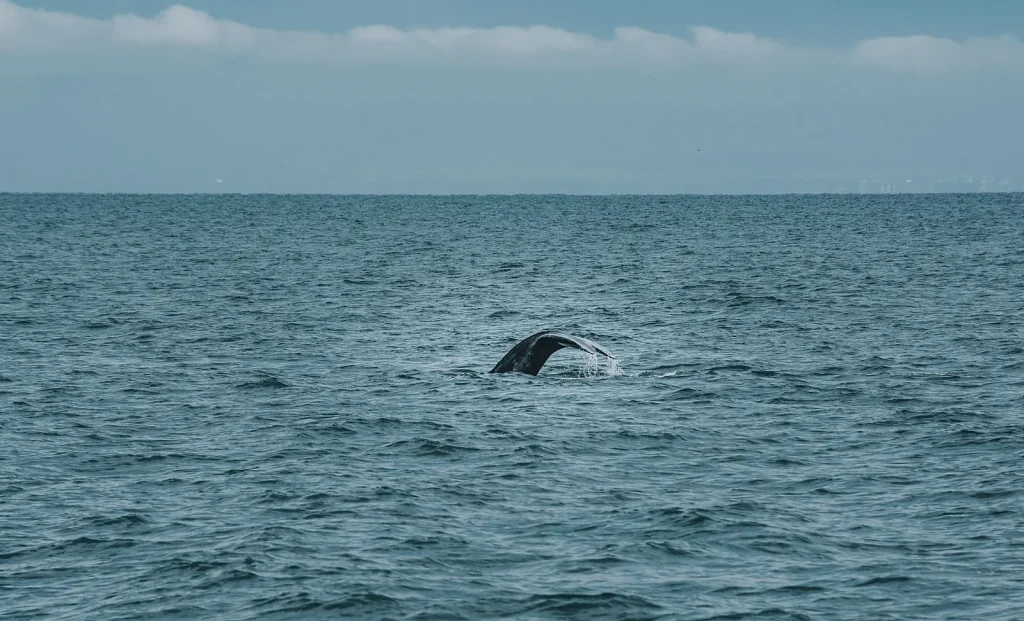
Rare stranding event on Vlieland prompts a closer look at environmental factors in the Wadden Sea.
A minke whale stranding on the coast of Vlieland, an island in the Wadden Sea, has raised environmental concerns among researchers and locals. The carcass, discovered in an advanced state of decomposition, is a rare sight in this region.
Environmental Concerns Raised
The Wadden Sea, known for its unique ecosystem, rarely sees minke whale strandings. Researchers are keen to investigate the underlying causes, hoping to gain insights into the environmental dynamics affecting marine life.
The minke whale, a species not commonly found in the Wadden Islands, prompts questions about changes in marine migration patterns or environmental stressors. The advanced state of decomposition suggests that the whale had been dead for some time before washing ashore.
Research and Monitoring Efforts
The Wadden Sea, a UNESCO World Heritage site, is a critical habitat for many species, and understanding such events is crucial for conservation efforts.
Environmental monitoring in the Wadden Sea is vital to detect any changes in marine biodiversity. This stranding serves as a reminder of the delicate balance within this ecosystem. Researchers are now focusing on collecting data that could provide clues to prevent future occurrences.
The findings from this investigation may help inform policies and actions aimed at protecting marine life in the region. Increased monitoring and research are essential to address the potential environmental challenges highlighted by this stranding.
Background
Minke whales typically inhabit the North Atlantic and North Pacific oceans. They are known for their elusive nature and are not frequently seen near the Dutch coast. This makes the recent stranding on Vlieland even more unusual.
Previous strandings have sparked debates among scientists regarding potential factors such as climate change, shifts in prey availability, and human activities. Each event provides an opportunity to study these factors in detail.
What Happens Next?
Researchers will conduct a thorough examination of the carcass, taking samples to analyze for toxins or other indicators of environmental stress. These efforts will contribute to a broader understanding of the health of marine life in the Wadden Sea.
The stranding of the minke whale on Vlieland shows the importance of ongoing research and environmental vigilance. Understanding the causes behind such rare events is key to ensuring the protection and sustainability of the Wadden Sea’s diverse ecosystem.