Moluccan recognition: Tweede Kamer urges action 75 years later
The Tweede Kamer calls for a probe into Moluccan treatment in the Netherlands, aiming for recognition 75 years after their arrival.

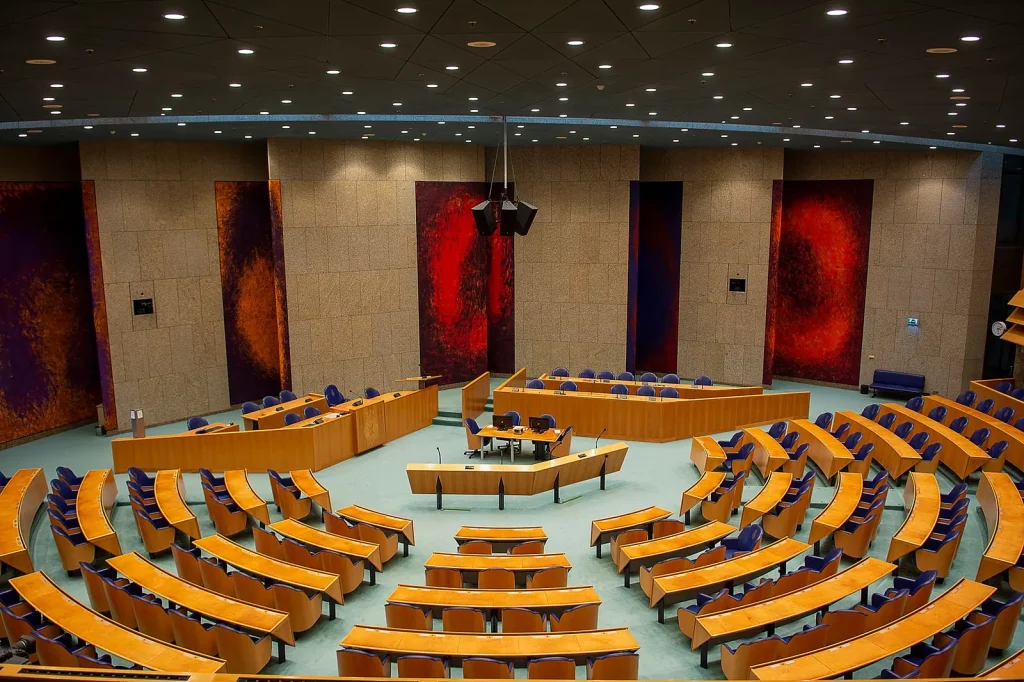
The Dutch Tweede Kamer urges an investigation into the historical treatment of Moluccans, seeking recognition and reconciliation.
The Tweede Kamer, the Dutch House of Representatives, is taking significant steps towards addressing the historical grievances of the Moluccan community in the Netherlands. Seventy-five years after their arrival, the chamber has called for an independent investigation into their treatment, aiming to acknowledge the suffering endured and propose a meaningful gesture of recognition.
In 1951, Moluccan soldiers and their families were brought to the Netherlands under challenging conditions. Many were housed in substandard accommodations such as former concentration camps. Despite their service in the Royal Netherlands East Indies Army, these men were largely dismissed shortly after arriving, leaving them in a precarious situation.
Historical Background
The Moluccan community’s journey to the Netherlands began in the aftermath of Indonesia’s independence. As loyal soldiers of the Royal Netherlands East Indies Army, Moluccans found themselves in a complex political situation. Their relocation to the Netherlands was intended to be temporary, but many remained.
For decades, the community has struggled with the legacy of this relocation. Initial promises of support and swift integration were not kept, leaving many in limbo. The conditions in which they lived were often poor, contributing to long-lasting social and economic challenges.
Efforts to address these issues have been sporadic. However, the current proposal in the Tweede Kamer marks a significant step towards formal recognition and reconciliation.
The Path Forward
The Tweede Kamer’s call for an independent investigation is seen as a crucial move towards healing and understanding. By acknowledging the past, the Netherlands aims to foster better social cohesion and respect among its diverse communities.
The Moluccan community, while still facing challenges, may find renewed hope in this recognition effort. The Tweede Kamer’s initiative could lead to a meaningful change, acknowledging the community’s history and contributions to Dutch society.
As the Netherlands reflects on its past, this investigation represents a step towards a more inclusive and understanding society. It is a chance to honor the Moluccans’ resilience and ensure their stories are recognized and remembered.
For more on the Moluccan community and their history in the Netherlands, visit the rijksoverheid website or learn about the Tweede Kamer’s initiatives at parlement.com.