Netherlands considers apology to Molukkers for past injustices
The Netherlands is discussing a formal apology to the Molukker community, addressing historical injustices and aiming for healing.

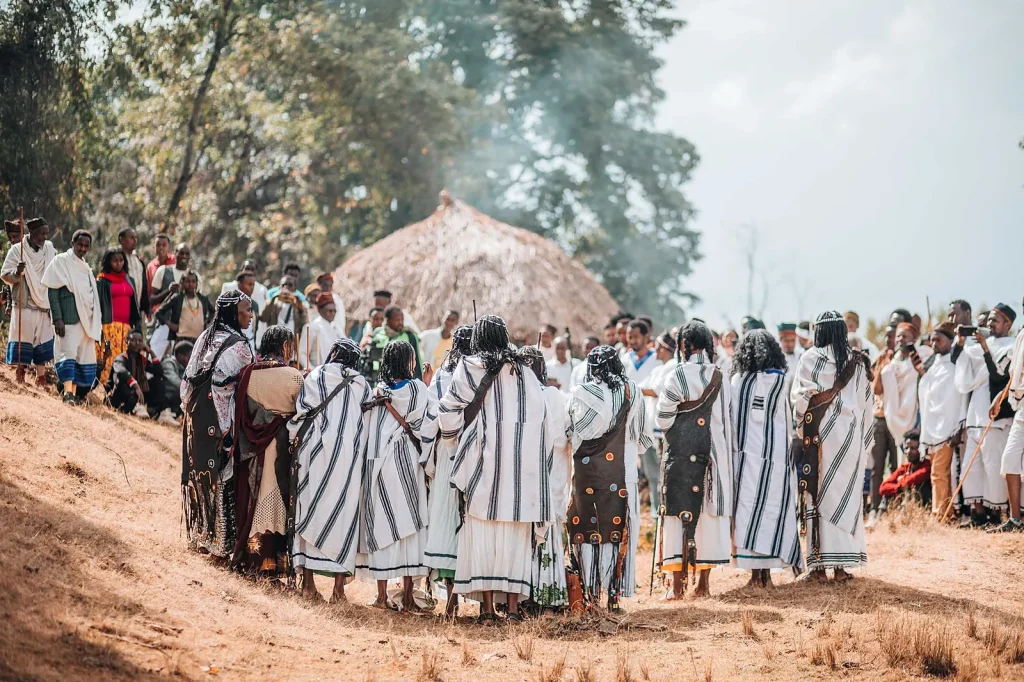
Discussions intensify over a formal apology to the Molukker community for past injustices in the Netherlands.
In the Netherlands, discussions are intensifying over a formal apology to the Molukker community for historical injustices. The Molukkers, a group originally from the Moluccas in present-day Indonesia, were brought to the Netherlands in the 1950s under challenging circumstances. Many faced discrimination and hardship, which has left a lasting impact on their community to this day.
Historical Context and Current Discussions
The Molukkers arrived in the Netherlands as part of a complex post-colonial migration. Promised a temporary stay, they were instead settled in camps and faced numerous social and economic challenges. Over the years, their calls for recognition of their struggles have grown louder. Now, the Dutch government is considering a formal apology, a move seen as crucial for acknowledging past wrongs.
For decades, the Molukkers have been vocal about the injustices they faced. Discrimination in housing, employment, and education were common, creating barriers that many are still working to overcome. The potential apology represents a significant step towards healing and reconciliation. “It’s about time the government recognizes the hardships we endured,” said Maria Pattipilohy, a prominent Molukker community leader. “An apology would mean a lot to us.”
Efforts to Promote Healing
The discussions around the apology are part of broader efforts to address historical grievances and promote healing. The Dutch government aims to foster dialogue with the Molukker community, creating a platform for understanding and reconciliation. These efforts are seen as essential steps in promoting justice and equality within the Netherlands.
According to the rijksoverheid, these discussions are not just about words but also about actions. Initiatives to improve social integration and economic opportunities for the Molukker community are being considered. This includes educational programs and employment support, aiming to bridge the gaps created by decades of systemic discrimination.
In recent years, there has been a growing recognition of the need to address historical injustices more broadly. The Molukkers’ case is part of a larger movement within Dutch society to confront and rectify past wrongs, ensuring that all communities are treated with dignity and respect.
Background and Impact
The Molukkers’ journey to the Netherlands began in the aftermath of Indonesia’s independence. Many were former soldiers in the Royal Netherlands East Indies Army, left in a precarious position following the end of colonial rule. The promise of a temporary stay in the Netherlands quickly turned into a long-term settlement, often in substandard conditions.
Over the years, the community has worked to preserve its cultural heritage while integrating into Dutch society. Despite facing significant challenges, the Molukkers have contributed to the cultural and social fabric of the Netherlands. Their struggle for recognition and justice is emblematic of broader themes of post-colonial reconciliation and integration.
What Happens Next?
The potential apology is expected to be just one part of ongoing efforts to support the Molukker community. By addressing these past grievances, the Dutch government hopes to pave the way for a more inclusive and equitable future. The discussions are ongoing, with many hoping that a formal apology will soon be issued, accompanied by concrete actions to support the community.
As these discussions continue, they serve as a reminder of the importance of acknowledging historical injustices and working towards a society where all individuals are recognized and valued. The Molukkers’ story is a testament to resilience and the enduring quest for justice and equality.
For more information on the Dutch government’s initiatives, visit the rijksoverheid website. To learn about the history and contributions of the Molukker community, explore resources at the Wikipedia page.