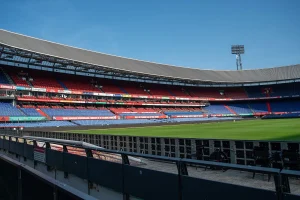

Nesting Seagull Disrupts 5 Soccer Matches in The Hague
A nesting seagull has disrupted soccer matches at VV Haagse Hout, a local soccer club in The Hague, highlighting the balance between nature conservation and sports.
Published 23 May 2026 · 03:04 CET
2 min read
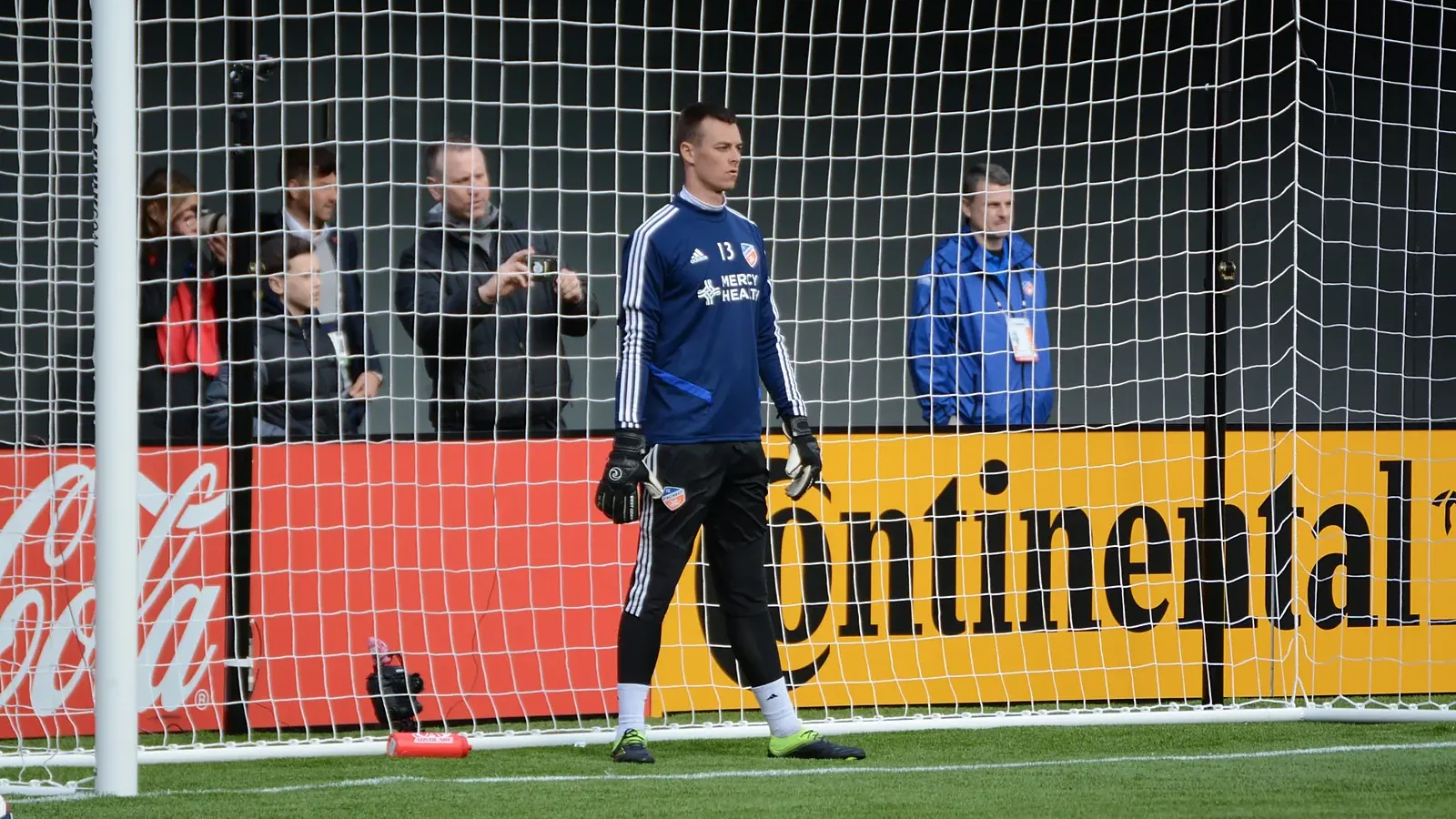
VV Haagse Hout forced to move games due to protected seagull nest.
A nesting seagull disruption has brought soccer matches at VV Haagse Hout, a local soccer club in The Hague, to a halt. The bird has chosen an unusual spot for its nest, right beside a goalpost on the main field. Due to the protected status of seagulls under Dutch law, the club has had to make significant adjustments to its schedule, moving matches to alternative locations.
Seagull Nesting Laws in the Netherlands
In the Netherlands, seagulls are protected under the Flora and Fauna Act. This law mandates that their nests cannot be disturbed or removed during the breeding season. As a result, VV Haagse Hout faced a unique challenge. The club had to quickly adapt to the situation by relocating several games to ensure compliance with conservation laws.
The nesting seagull has become a temporary celebrity among club members and fans. Many have taken to social media to share photos of the bird, humorously noting its strategic position near the goalpost. The club’s management has embraced the situation, seeing it as a chance to educate players and spectators about the importance of wildlife conservation.
The Impact on Local Soccer Activities
VV Haagse Hout has moved at least five matches to different fields to avoid disturbing the nesting seagull. This decision reflects the club’s commitment to respecting wildlife while maintaining its community activities. Alternatives have included nearby sports complexes and other local fields that can accommodate the club’s schedule.
Club spokesperson Marijke Jansen explained, “While it’s a bit of a disruption, we understand the importance of protecting wildlife. It’s a valuable lesson for everyone involved.” The club’s proactive approach has been praised by local environmental groups, who see it as a positive example of community cooperation with nature.
Meanwhile, players and fans have taken the change in stride. Many see it as a unique situation that adds a bit of excitement to the usual routine. “It’s not every day you have to move a match because of a bird,” said one player, laughing off the inconvenience.
For more information on wildlife protection laws in the Netherlands, visit the Dutch government website.
What Happens Next?
The nesting period for seagulls usually lasts a few weeks, so the club anticipates resuming normal activities soon. However, they remain prepared to adapt as necessary. The experience has fostered a greater awareness of environmental issues among the club’s members and supporters.
Looking ahead, VV Haagse Hout plans to create educational materials about local wildlife for its members. They also intend to work with environmental organizations to ensure future activities are aligned with conservation efforts.
This amusing incident has highlighted the delicate balance between human activities and nature conservation. As communities grow, such stories remind us of the importance of coexisting with the natural world around us.
For more insights into how local communities are addressing wildlife challenges, check out the Dutch Central Bureau of Statistics.

More from the desk