Netherlands Adds 10 Substations Daily to Boost Energy Supply
The Netherlands is adding new electrical substations to support the growing demand for renewable energy and ensure future energy stability.

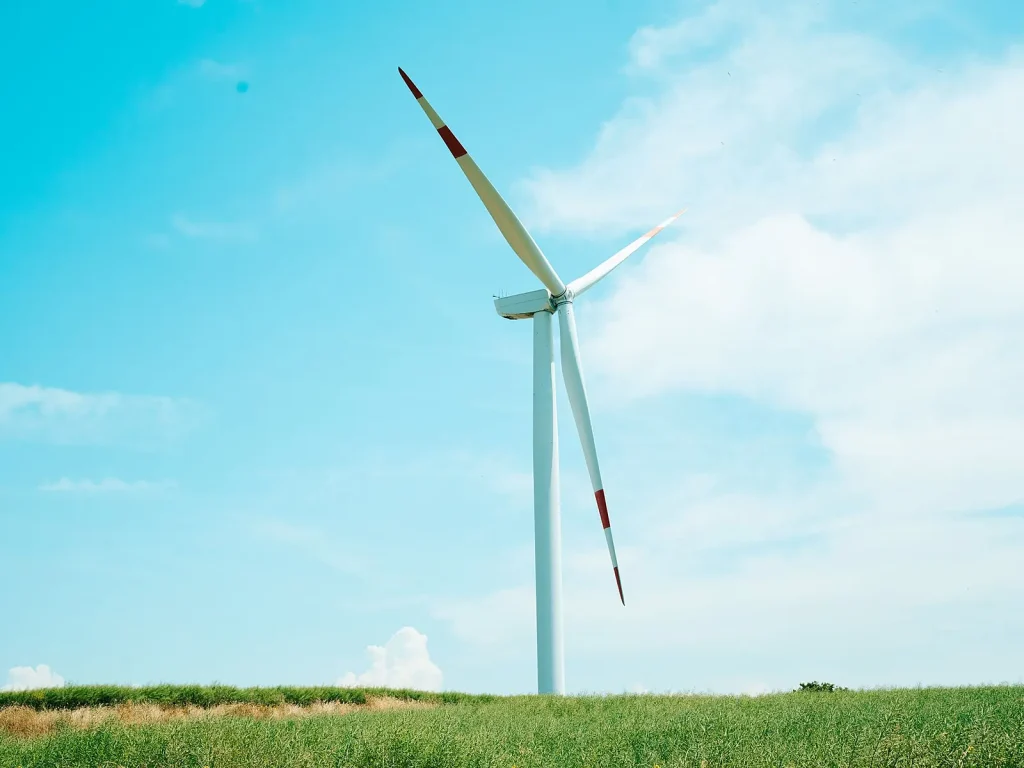
Rapid expansion of electrical infrastructure supports renewable energy needs in the Netherlands.
The Netherlands is undergoing a significant transformation in its energy infrastructure. The country is adding new electrical substations, a move aimed at supporting the growing demand for renewable energy. This expansion is crucial for ensuring future energy stability as the nation embraces sustainable energy solutions.
Each of these modern substations is equipped with advanced technology designed to efficiently distribute electricity. The technology not only improves efficiency but also enhances the reliability of the power supply. This development is part of a broader strategy to accommodate the increasing integration of renewable energy sources into the national grid.
Meeting Renewable Energy Demands
The expansion of electrical substations is a response to the rising energy demands driven by the transition to renewable sources. With wind and solar energy becoming more prevalent in the Netherlands, the need for a strong infrastructure to support these sources is top. The new substations are strategically placed to maximize their impact on the grid.
Innovative Technology at Work
The modern substations feature leading technology that enables better monitoring and management of electricity flow. These advancements are essential for maintaining a steady supply of power, especially as renewable energy sources can be variable. The technology allows for real-time adjustments to the grid, ensuring that supply meets demand efficiently.
The government is actively supporting these developments through various policies and incentives aimed at promoting renewable energy. This includes financial support for infrastructure projects and regulatory changes to facilitate the integration of renewables.
Background
The Netherlands has long been a leader in renewable energy, with significant investments in wind and solar power. However, as these sources become more integral to the energy mix, the need for a supportive infrastructure becomes more pressing. The current expansion is part of a larger plan to ensure that the energy grid can handle the increased load from sustainable sources.
In recent years, the focus has shifted to not just producing renewable energy but also ensuring that it can be efficiently distributed and used. This requires a comprehensive approach to infrastructure development, including the construction of new substations and upgrades to existing ones.
What Happens Next?
As the expansion continues, the Netherlands is poised to set an example for other countries looking to enhance their energy infrastructure. The lessons learned from this process could be valuable for other nations aiming to increase their reliance on renewable energy.
In the coming months, the focus will likely be on monitoring the performance of these new substations and making any necessary adjustments. This will be crucial in ensuring that the infrastructure not only meets current demands but is also future-proofed against potential challenges.
Overall, the Netherlands’ commitment to expanding its energy infrastructure shows its dedication to a sustainable and stable energy future. By investing in modern technology and infrastructure, the country is taking significant steps towards energy independence and environmental responsibility.
For more information on the Netherlands’ energy policies, visit the Rijksoverheid website.