Netherlands Solar Eclipse to Obscure 90% of Sun in August
A rare solar eclipse will be visible in the Netherlands on August 12, offering a unique chance to see 90% sun coverage.

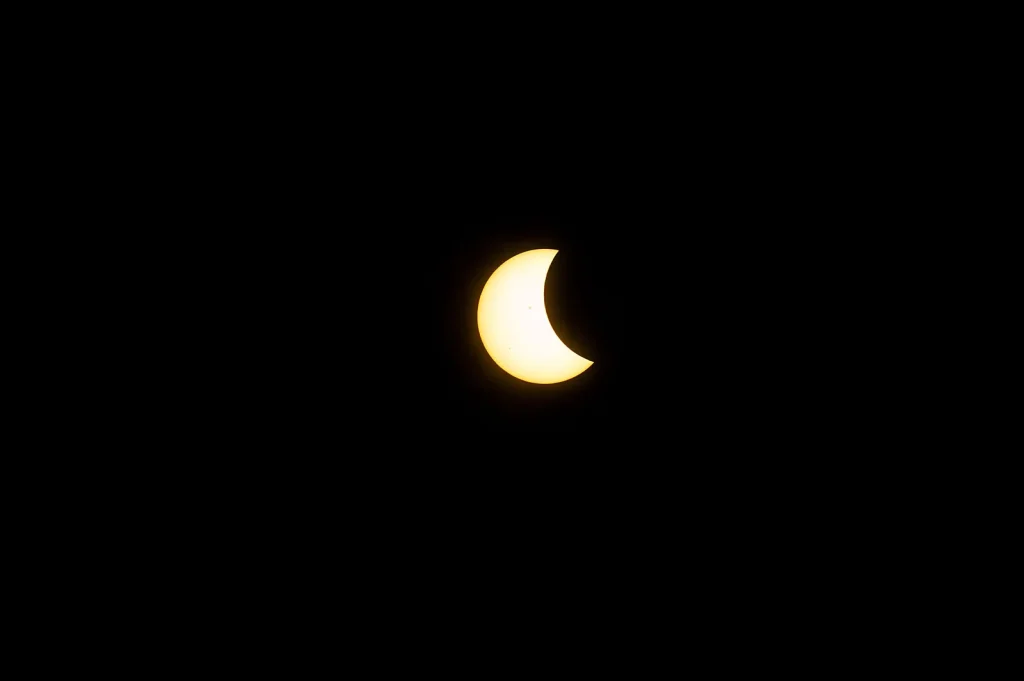
On August 12, the Netherlands will witness a rare solar eclipse with 90% sun coverage, a spectacle not seen for nearly 30 years.
A rare astronomical event is set to captivate the Netherlands on August 12, 2026. The nation will witness a solar eclipse with 90% of the sun’s surface obscured by the moon. This event marks the most significant eclipse visible from Europe in nearly three decades, providing a unique opportunity for residents to experience this celestial wonder.
Timing and Visibility
The solar eclipse will commence at 7:15 PM local time, gradually reaching its peak at 8:11 PM. During this period, the moon will cover 90% of the sun, creating a dramatic skyward spectacle. The event will be visible across the entire country, allowing millions to participate in this rare visual delight.
The last time such a significant eclipse was visible from the Netherlands was almost 30 years ago, making this occurrence particularly noteworthy. Dutch residents are encouraged to seize this opportunity to witness a phenomenon that combines both beauty and scientific interest.
Safety Precautions and Broadcast
Observers are reminded to take necessary safety precautions when viewing the eclipse. Directly looking at the sun can cause severe eye damage, so the use of certified eclipse glasses is strongly recommended. These special glasses filter out harmful solar rays, making it safe to enjoy the event.
The NOS, a major Dutch broadcaster, will provide a live transmission of the eclipse. The broadcast will feature expert commentary from Peter Kuipers Munneke, a well-known weatherman in the Netherlands. His insights will enhance the viewing experience, offering both scientific explanations and real-time updates.
For those unable to view the eclipse in person, this coverage ensures that the event can be enjoyed from the comfort of home, providing an educational experience as well.
Background
Eclipses occur when the moon passes between the Earth and the sun, casting a shadow on Earth. The degree of coverage varies depending on the alignment of the celestial bodies. A solar eclipse with 90% coverage is a rare event, making it a significant occasion for both amateur and professional astronomers.
The Netherlands, with its flat landscapes and often clear skies during this time of year, offers an excellent vantage point for observing such phenomena. This particular eclipse adds to the series of notable astronomical events visible from Europe in recent years.
What Happens Next
Following the eclipse, interest in astronomy is expected to rise among the Dutch public. Local astronomy clubs and educational institutions often see increased participation after such events, as people become more curious about space and celestial occurrences.
In the coming days, several observatories and science centers across the Netherlands are planning events and workshops related to the eclipse. These initiatives are aimed at educating the public about the science behind eclipses and encouraging a greater appreciation for astronomy.
As the eclipse day approaches, anticipation is building, and preparations are underway to ensure that this rare event is both memorable and safe for all who wish to partake in the experience.