Netherlands abstains as 123 nations back UN slavery reparations
The Netherlands abstained from a UN vote on slavery reparations, joining 51 other nations. The resolution passed with 123 countries in support.

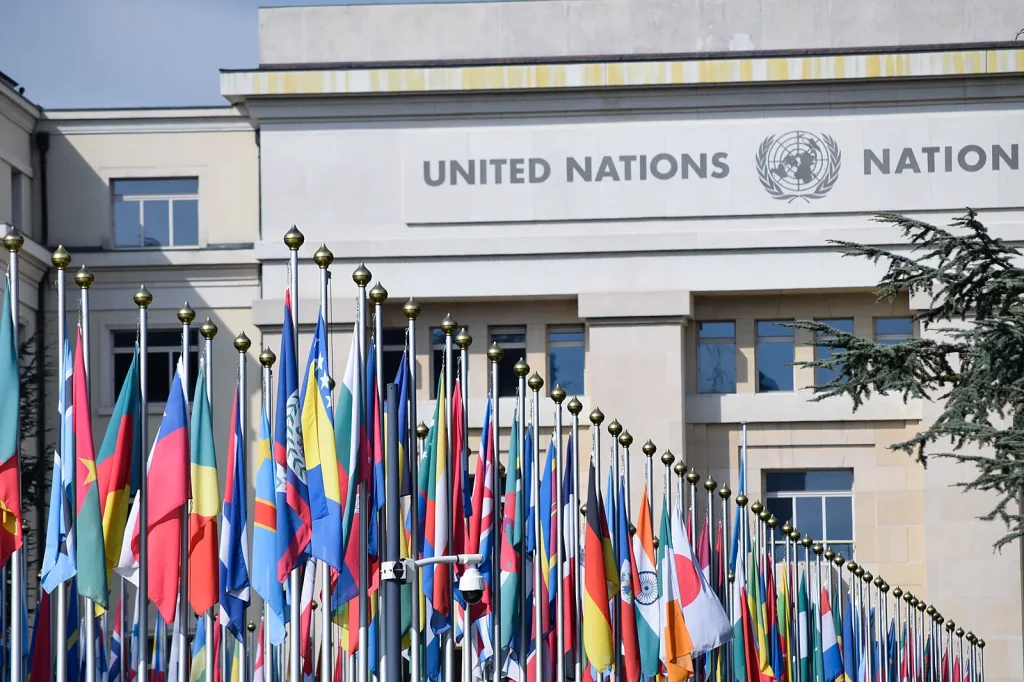
The Netherlands joins 51 nations in abstaining from a UN resolution on slavery reparations, as 123 countries vote in favor.
The Netherlands abstained from a United Nations vote on a resolution seeking reparations for the trans-Atlantic slave trade. This decision aligns the country with 51 other nations that chose not to cast a definitive vote. Meanwhile, 123 countries voted in favor of the resolution, which calls for formal apologies and reparative measures from nations historically involved in the slave trade.
Resolution and Reactions
The UN resolution aims to address the enduring impacts of slavery by encouraging countries to take responsibility for their historical roles. Advocates argue that formal apologies and financial reparations are necessary to redress the deep-seated injustices faced by descendants of enslaved people. African and Caribbean leaders have been vocal in urging support for the resolution, emphasizing the importance of acknowledging past wrongs.
However, the Netherlands, alongside 51 other countries, abstained. This decision reflects the complexities surrounding the issue. While acknowledging the historical injustice, the Dutch government has expressed concerns about the practicalities of implementing reparative measures. The abstention indicates a cautious approach, balancing historical acknowledgment with the challenges of contemporary policy-making.
Global Dialogue and Future Implications
The vote at the UN highlights a growing global dialogue on how to address historical injustices. Countries that voted in favor see the resolution as a step towards healing and reconciliation. The Netherlands’ abstention suggests a need for further discussion and examination of how best to approach reparations.
In recent years, the Netherlands has taken steps to acknowledge its colonial past. Initiatives have included public apologies and educational programs. However, the abstention at the UN vote indicates that the country is still navigating the complexities of formal reparations.
Critics of reparations often cite the logistical challenges and potential economic implications. Implementing such measures requires careful consideration of historical contexts and the current socio-economic landscapes of affected countries. The Netherlands’ decision to abstain may reflect these concerns, emphasizing the need for a nuanced approach.
Despite the abstention, the Netherlands remains committed to engaging in global discussions on historical injustices. The country’s decision shows the importance of ongoing dialogue and collaboration among nations to find equitable solutions.
As the conversation around reparations continues, the Netherlands’ stance may evolve. The ongoing debate at the international level could influence future policies and actions. The resolution serves as a reminder of the importance of addressing historical wrongs and the role of global cooperation in achieving justice.
The Netherlands’ abstention from the UN vote on slavery reparations highlights the challenges of balancing historical acknowledgment with practical policy considerations. As the global dialogue progresses, the country’s position may adapt, reflecting broader changes in international attitudes towards reparations.