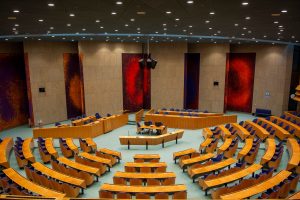

Nitrogen Reduction Debate Triggers 5 Arrests in The Hague
The nitrogen reduction debate in the Tweede Kamer led to protests in The Hague. Farmers protested calmly, but tensions remain high.
Published 1 July 2026 · 17:08 CET
2 min read
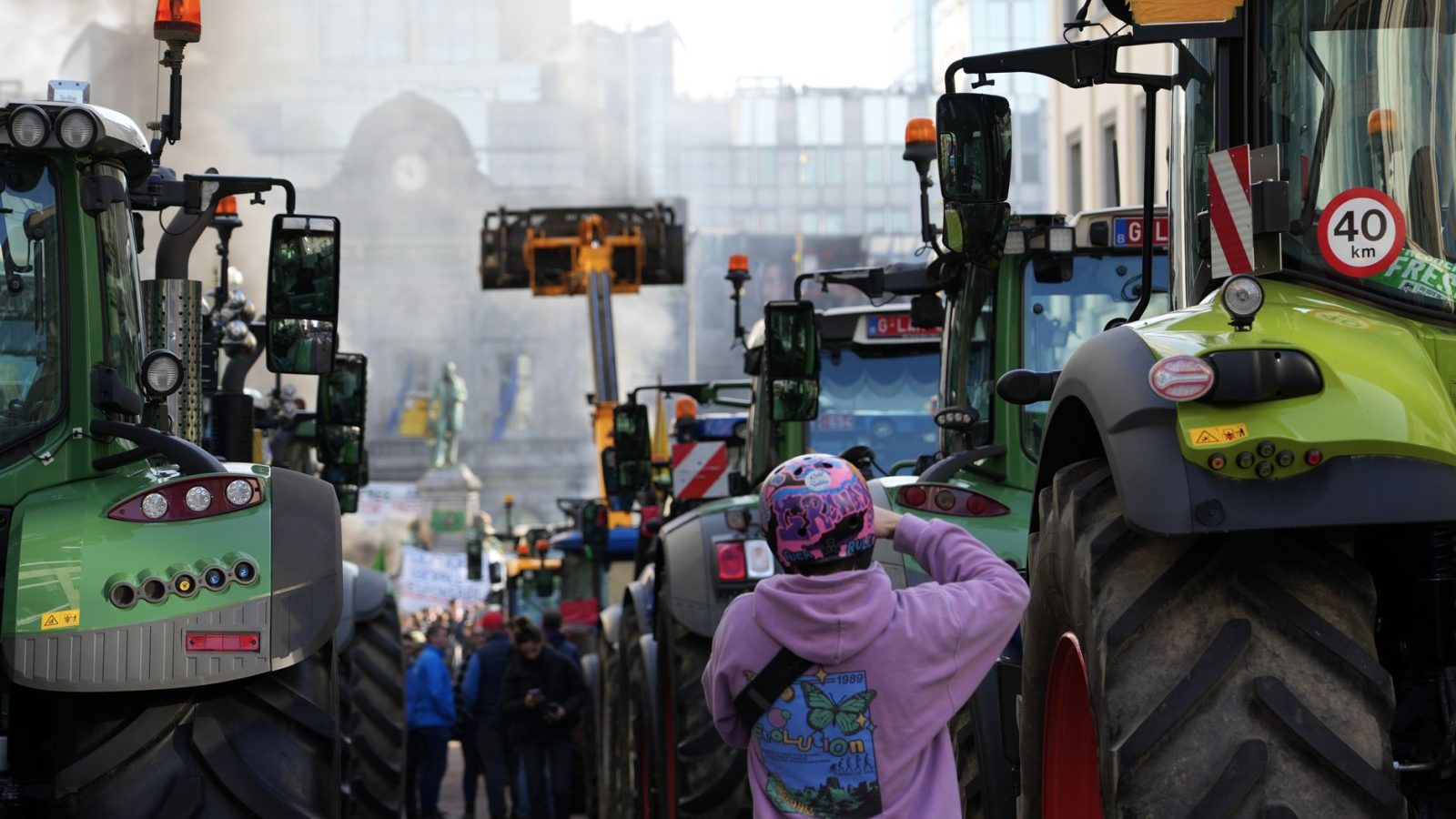
The Tweede Kamer’s plans could reshape Dutch agriculture, igniting protests and arrests.
The nitrogen reduction debate in the Tweede Kamer in The Hague has become a focal point for Dutch agricultural policy. The plans discussed could significantly affect the Dutch farming sector by requiring reductions in nitrogen emissions, especially near protected nature areas.
During the debate, the atmosphere inside the chamber was tense, with lawmakers passionately discussing the potential impacts of the proposed measures. Outside, around twenty tractors were parked as part of a protest organized by the Dutch Milk Farmers’ Association. The demonstration was largely peaceful.
Farmers’ Concerns and Protests
Farmers across the Netherlands have expressed deep concerns about the nitrogen reduction plans. BBB-Kamerlid Caroline van der Plas voiced strong opposition during the debate, stating, “These plans could devastate thousands of farmers.” Her remarks reflect the widespread fear that the measures could lead to significant reductions in livestock numbers, impacting livelihoods.
The protests outside the Binnenhof, the Dutch parliamentary complex, remained relatively calm. Farmers used tractors to symbolize their opposition, maintaining a peaceful stance despite the charged atmosphere.
Government’s Environmental Goals
The Dutch government is pushing for these nitrogen reduction plans to comply with environmental standards and protect nature reserves. The goal is to cut emissions near sensitive areas to safeguard biodiversity. This initiative is part of the Netherlands’ broader strategy to address environmental issues, which has become increasingly urgent.
Despite the government’s intentions, the debate has highlighted a significant divide between policymakers and the agricultural sector. Many farmers feel that their concerns are not being adequately addressed, leading to ongoing protests and unrest.
The nitrogen issue is not new in the Netherlands. It has been a contentious topic for several years, with various stakeholders struggling to find a balance between environmental needs and agricultural interests.
According to a report by the Rijksinstituut voor Volksgezondheid en Milieu (RIVM), the nitrogen emissions in certain areas are significantly higher than permissible levels, necessitating urgent action. The government argues that without these measures, the country risks failing to meet its environmental commitments.
Background and Future Implications
The nitrogen debate has its roots in the European Union’s environmental policies, which require member states to protect biodiversity and reduce pollution. The Netherlands, with its dense population and intensive farming practices, faces unique challenges in meeting these standards.
Looking ahead, the outcomes of this debate could reshape the Dutch agricultural landscape. If the proposed plans are implemented, they might lead to a transformation in farming practices, potentially reducing livestock numbers and changing land use patterns.
While the government is committed to moving forward, it must also address the concerns of those affected. Ensuring that farmers are supported during this transition will be crucial to maintaining social stability and economic viability in the agricultural sector.
The Tweede Kamer’s debate is just one step in a long process. As discussions continue, all eyes will be on how the Dutch government balances environmental imperatives with the needs of its agricultural community.

More from the desk