PFAS contamination in Friesland health concerns
PFAS contamination in Friesland waterways exceeds safety norms. Wetterskip Fryslân calls for a European ban to address health risks.

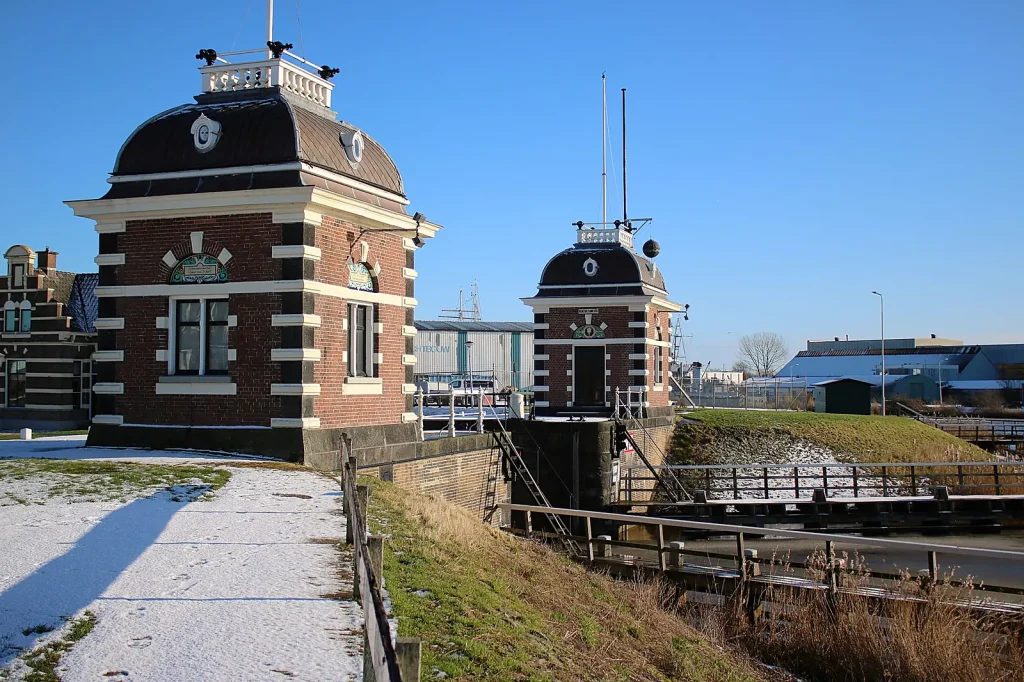
Wetterskip Fryslân urges European ban as PFAS levels exceed safety norms in all Friesland waterways.
The province of Friesland in the Netherlands is facing a significant environmental challenge as tests reveal alarming levels of PFAS contamination. Wetterskip Fryslân, the regional water authority, conducted extensive testing across the province. The results show that PFAS levels in many waterways exceed safety norms, raising serious health and environmental concerns.
PFAS, or per- and polyfluoroalkyl substances, are synthetic chemicals known for their persistence in the environment. They are often referred to as ‘forever chemicals’ due to their resistance to breaking down. The presence of these substances in Friesland’s water systems is troubling, given their potential health impacts, including damage to the immune system and links to certain types of cancer.
Wetterskip Fryslân Calls for Action
In response to the findings, Wetterskip Fryslân is calling for a European-wide ban on PFAS. The authority argues that the current measures are insufficient to protect public health and the environment. A spokesperson for Wetterskip Fryslân stated, “The levels of PFAS we found are deeply concerning. We need immediate action to prevent further contamination and protect our communities.”
This call for a ban shows the urgency of the situation. The contamination affects not only major bodies of water but also smaller ditches throughout Friesland, indicating a widespread issue. Wetterskip Fryslân emphasizes the need for coordinated efforts at the European level to address the persistent nature of PFAS.
Environmental and Health Implications
The implications of PFAS contamination are far-reaching. These substances can accumulate in the food chain, affecting wildlife and humans alike. The health risks associated with PFAS exposure include developmental effects, liver damage, and increased cholesterol levels. The widespread presence in Friesland’s waterways suggests a potential risk to local agriculture and drinking water supplies.
Efforts to remove PFAS from the environment are complex and costly, making prevention a more viable strategy. Wetterskip Fryslân’s call for a ban aligns with growing international concern about PFAS. Several countries and regions are already taking steps to limit their use and production.
The European Union has been considering stricter regulations on PFAS, but progress has been slow. Wetterskip Fryslân’s findings may add pressure on policymakers to accelerate these efforts. The authority is urging residents to stay informed and support initiatives aimed at reducing PFAS exposure.
Background on PFAS
PFAS have been used in a variety of industrial applications and consumer products, such as non-stick cookware, water-repellent clothing, and firefighting foams. Their widespread use has led to global environmental contamination. In the Netherlands, efforts to monitor and regulate PFAS have been ongoing, but the issue remains a significant challenge.
Friesland is not alone in facing PFAS contamination. Similar issues have been reported across Europe and beyond, highlighting the need for comprehensive strategies to address the problem. The call for a European ban is seen as a critical step in reducing the environmental burden of these chemicals.
What Happens Next?
Wetterskip Fryslân plans to continue monitoring PFAS levels and work with local authorities to mitigate the impact. Public awareness campaigns are also in the pipeline to educate residents about the risks associated with PFAS. The authority is engaging with European partners to push for legislative changes that could lead to a ban.
Meanwhile, residents of Friesland are encouraged to take precautions, such as using water filters and staying informed about local advisories. The situation remains fluid, and the response from European regulators in the coming months will be crucial in determining the next steps.
As the debate over PFAS continues, the need for effective solutions is clear. Friesland’s experience shows the broader challenge of managing persistent environmental contaminants. For now, Wetterskip Fryslân’s call for a ban represents a key moment in the ongoing effort to protect public health and the environment from the dangers of PFAS.