Quinoa Cultivation in Netherlands Rises with Over 24 Farmers
Quinoa cultivation in the Netherlands is gaining traction as over 24 farmers adopt this resilient crop to combat soil salinity.

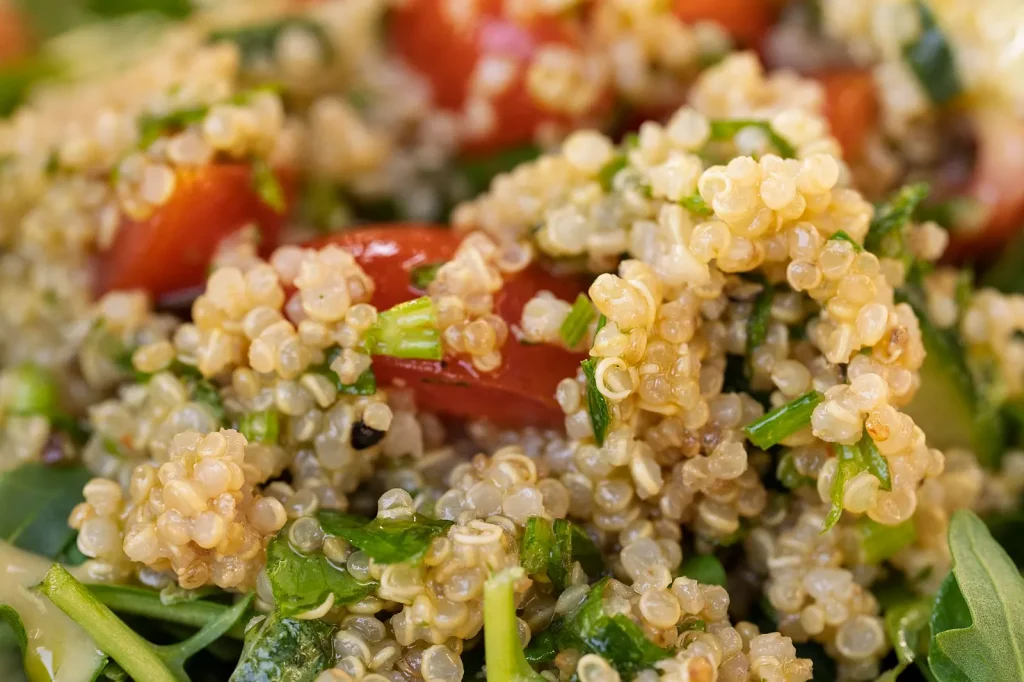
Dutch farmers embrace quinoa, a resilient crop against soil salinity, offering sustainable solutions.
Quinoa cultivation in the Netherlands is gaining momentum as more than 24 farmers have adopted this resilient crop to address soil salinity issues. In coastal areas, where drought and salinity pose significant challenges, quinoa presents a sustainable alternative for Dutch agriculture.
Why Quinoa Thrives in the Netherlands
Quinoa, originally from South America, thrives in saline soil conditions. This makes it an ideal crop for Dutch farmers facing increasing soil salinity due to climate change and drought. The grain is not only rich in protein but also provides practical financial benefits, according to Robert van Loo, a researcher at Wageningen University. Van Loo, known as ‘Mister Quinoa’, has been working on quinoa breeding since the 1990s. He states, “Quinoa is not just a nutritious alternative but also offers practical financial benefits for farmers facing saline soil challenges.”
Renze Rispens, a farmer in Vierhuizen, Groningen, successfully introduced quinoa to his fields. Rispens noted that quinoa’s resilience to saline conditions has made it a valuable addition to his farming practices. “Quinoa is helping us adapt to the changing environment,” he said.
Impact on Dutch Agriculture
The shift towards quinoa cultivation is part of a broader movement towards sustainable agriculture in the Netherlands. As more farmers encounter soil salinity issues, quinoa offers a viable solution. This trend not only supports the country’s agricultural sustainability goals but also provides a new market opportunity for farmers.
According to Wageningen University, quinoa’s adaptability makes it a promising crop for the future. Dutch farmers are increasingly recognizing its potential, leading to a gradual increase in quinoa cultivation across the country. The grain’s ability to grow in challenging conditions is particularly relevant in coastal provinces where soil salinity is a growing concern.
Efforts to promote quinoa cultivation are supported by research and development initiatives. These aim to improve quinoa varieties and increase yields, ensuring that the crop can be successfully integrated into Dutch farming systems. The government’s focus on sustainable agriculture further bolsters these efforts.
What Happens Next
As the demand for sustainable crops rises, quinoa is likely to play a more significant role in Dutch agriculture. The government and research institutions continue to support farmers in adopting quinoa through training and resources. This support is essential for scaling up quinoa cultivation and ensuring its success in the Netherlands.
Looking ahead, quinoa could become a staple crop in areas affected by soil salinity. This would not only enhance food security but also provide economic benefits to farmers. The lessons learned from quinoa cultivation could also inform strategies for other crops facing similar challenges.
The Netherlands is at the forefront of innovative agricultural practices, and quinoa cultivation is a testament to the country’s commitment to sustainable farming. As more farmers embrace this resilient crop, it could pave the way for future agricultural innovations.
For more information on sustainable agriculture in the Netherlands, visit the Rijksoverheid and Wageningen University websites.