Rijkswaterstaat Camera Enforcement Imposes €500 Fine on Violators
Rijkswaterstaat installs cameras on Merwedebrug to enforce a ban on freight traffic.
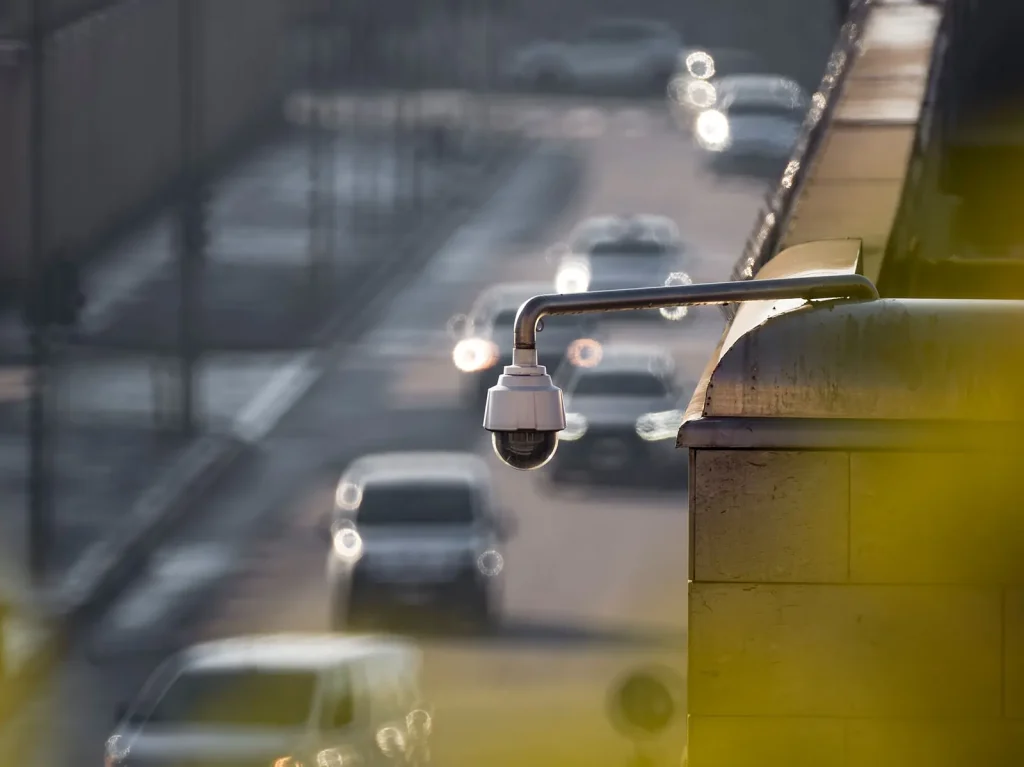
Cameras installed on Merwedebrug to enforce freight traffic ban and ensure public safety.
Rijkswaterstaat, the agency responsible for Dutch roads and waterways, has begun installing cameras on the Merwedebrug. This initiative aims to enforce a ban on freight traffic, prioritizing public safety on the structurally compromised bridge. The move comes as heavy vehicles continue to cross despite the closure, raising significant safety concerns.
The Merwedebrug, a crucial link between Brabant and South Holland, has been closed to freight traffic due to structural issues. However, many freight vehicles have ignored the ban, prompting Rijkswaterstaat to take action. The newly installed cameras will automatically read license plates, helping to identify violators.
Rijkswaterstaat’s Camera Enforcement
Rijkswaterstaat’s decision to implement camera enforcement is part of a broader effort to ensure compliance with traffic regulations. The agency has warned transport companies to adhere strictly to the ban, emphasizing the potential risks to public safety.
In addition to the cameras, enforcement will be supported by police and the Public Prosecution Service. These measures are designed to deter freight vehicles from using the bridge, which could exacerbate existing structural weaknesses.
Background and Future Implications
The structural concerns regarding the Merwedebrug are not new. Previous assessments highlighted vulnerabilities that made it unsuitable for heavy freight traffic. Despite warnings and restrictions, compliance has been inconsistent, necessitating more stringent enforcement methods.
By implementing camera technology, Rijkswaterstaat aims to reduce the strain on the bridge and extend its lifespan. This approach is part of a larger strategy to monitor and maintain the Netherlands’ extensive network of bridges and roads.
For those concerned about potential fines, the message is clear: respect the restrictions or face the consequences. Rijkswaterstaat’s commitment to public safety and infrastructure reliability shows the importance of adhering to these measures.
As the cameras begin their work, the agency remains vigilant, ready to adapt and respond to any new challenges that may arise. The ultimate goal is a safe and efficient transportation network, free from the risks posed by non-compliance.