Rijn Water Levels Plunge to Historic Low of 614 Cubic Meters
Rijn water levels have reached a historic low at Lobith. This impacts shipping, agriculture, and water supply.

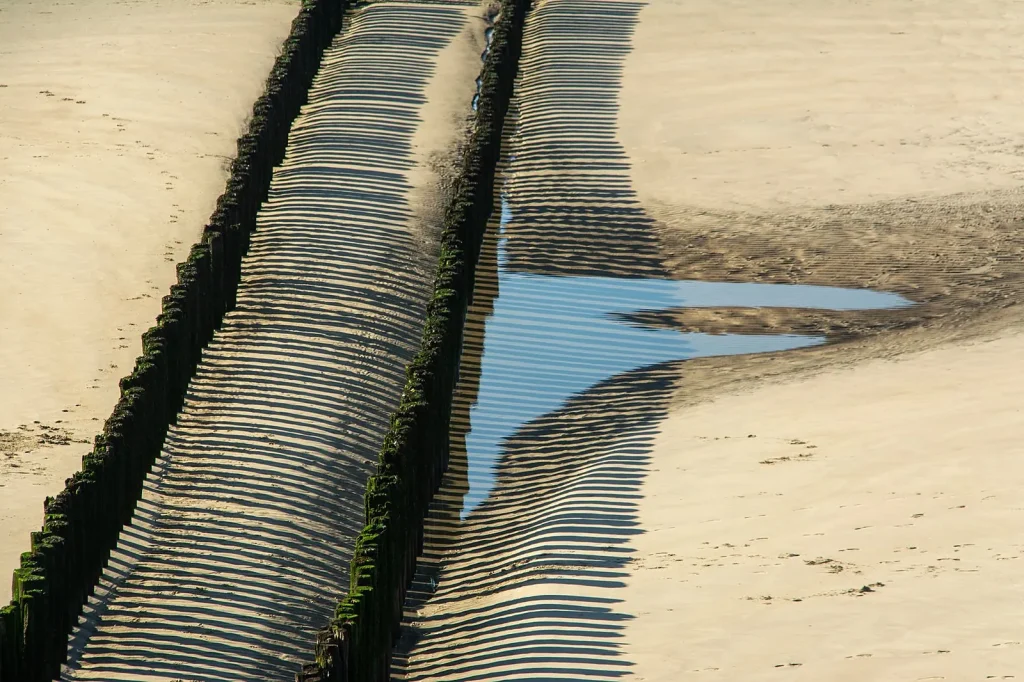
The record low water flow of the Rijn raises concerns for shipping, agriculture, and water supply in the Netherlands.
The Rijn River, a vital waterway for the Netherlands, has reached an rare low water flow at Lobith. This marks the lowest flow since measurements began and brings significant concerns for shipping, agriculture, and water supply in the Netherlands and neighboring regions.
Impact on Shipping and Agriculture
The low water levels in the Rijn are creating logistical challenges for shipping. Vessels are forced to reduce their cargo loads to handle the shallow waters, leading to increased transportation costs. This situation is particularly troubling for industries reliant on the river for the transport of goods.
In agriculture, the dry conditions have exacerbated the already difficult growing season. Farmers in the Netherlands depend on the Rijn for irrigation. With reduced water availability, crop yields are at risk, potentially affecting food supply and prices. The agricultural sector is calling for immediate measures to support affected farmers.
Water Supply and Environmental Concerns
The Rijn is crucial for drinking water supply in the Netherlands. With levels at a historic low, water management agencies are on high alert. There is a pressing need to ensure that water quality and supply remain stable despite the reduced flow. The situation shows the importance of sustainable water management practices.
Environmental groups are also expressing concern about the impact on ecosystems. The Rijn supports diverse wildlife, and low water levels can lead to habitat loss and decreased biodiversity. Conservationists urge the government to implement strategies to protect these natural habitats.
According to Rijkswaterstaat, the agency in charge of Dutch roads and waterways, the extreme dryness, coupled with a hot and rainless summer, has significantly contributed to the low water levels. The agency is closely monitoring the situation and exploring options to mitigate the impact.
Background
The Rijn, one of Europe’s major rivers, flows from Switzerland through Germany and the Netherlands before reaching the North Sea. It is a key artery for trade and transport in Western Europe. The river’s water levels are typically higher during this time of year, but the ongoing drought has altered this pattern.
Climate experts warn that such extreme weather conditions may become more frequent due to climate change. This year’s drought is a stark reminder of the challenges posed by a warming climate, necessitating adaptive strategies for water management.
What Happens Next?
The Dutch government is prioritizing the situation, with measures being discussed to support industries and communities affected by the low water levels. The focus is on developing long-term solutions to handle similar occurrences in the future.
In the short term, authorities are considering temporary restrictions on water usage to ensure that essential services and industries can continue to operate. Public awareness campaigns are also being launched to encourage water conservation.
The need for cross-border cooperation is evident, as the Rijn flows through multiple countries. Collaborative efforts are essential to address the challenges posed by the low water levels and to develop sustainable solutions for the future.
The situation at the Rijn is a reminder of the interconnectedness of Europe’s waterways and the necessity for coordinated action in the face of environmental challenges.