Roma and Sinti Remembrance in Amsterdam Honors 4,000 Lost
The Roma and Sinti remembrance in Amsterdam honors over 4,000 victims of WWII, emphasizing the need for education and acknowledgment.

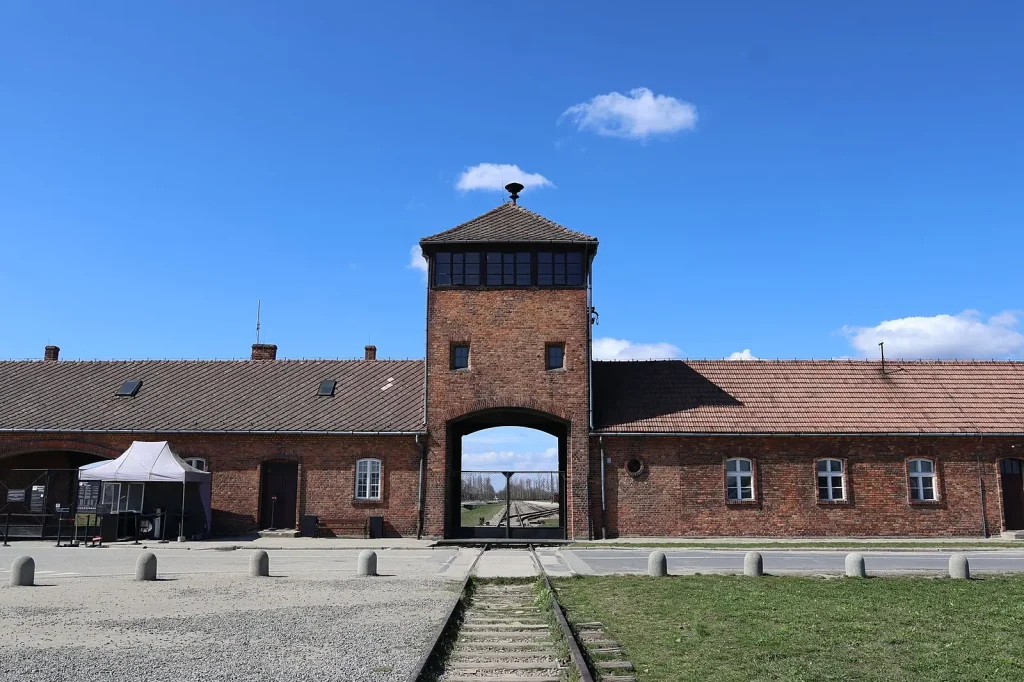
Amsterdam ceremony commemorates the Roma and Sinti victims of WWII, stressing the importance of education and acknowledgment.
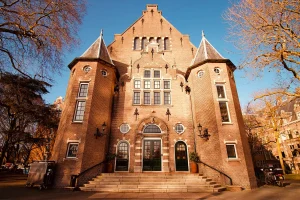
The Roma and Sinti remembrance event in Amsterdam honors the memory of over 4,000 individuals who perished on August 2, 1944. Held at the National Holocaust Museum in Amsterdam, this annual ceremony serves as a poignant reminder of the atrocities faced by these communities during World War II.
Commemorating a Tragic Past
On August 2, a solemn ceremony took place at the National Holocaust Museum in Amsterdam. Attendees gathered to commemorate the Roma and Sinti communities who suffered immense persecution during World War II. The event included speeches, a moment of silence, and the laying of flowers to honor the victims.
Kole Pavlov from the Dutch Roma Association highlighted the ongoing impact of historical trauma. He stated, “The pain of our ancestors continues to affect us today. Acknowledging this history is crucial for healing and education.” His words resonated with many, emphasizing the importance of remembering the past to prevent future injustices.
Historical Significance of August 2
The date, August 2, holds particular significance for the Roma and Sinti communities. On this day in 1944, over 4,000 Roma and Sinti were killed in Auschwitz. This tragic event is now observed as a day of remembrance across Europe, underscoring the need for awareness and education about these dark chapters in history.
Events like the ceremony in Amsterdam play a vital role in keeping the memory of these victims alive. By educating younger generations, organizers hope to foster a deeper understanding of the discrimination and violence faced by the Roma and Sinti during the war.
In addition to speeches, the event featured testimonies from survivors and their descendants. These personal stories provided a powerful connection to the past, reminding attendees of the human cost of hatred and intolerance.
The Road Ahead
While the remembrance event is a step towards acknowledgment, there is still work to be done. Education about the Roma and Sinti genocide is not as widespread as it should be. Advocates call for more comprehensive inclusion of these events in educational curriculums across Europe.
The Dutch government, along with various educational institutions, has been urged to amplify efforts in this regard. By integrating the history of Roma and Sinti persecution into broader educational frameworks, there is hope for greater awareness and understanding.
Looking forward, the Roma and Sinti communities continue to push for recognition and reparations. The annual remembrance serves not only as a moment of reflection but also as a rallying point for advocacy and change.
In the words of Kole Pavlov, “Remembering our history is not just about the past; it’s about shaping a future where such atrocities are never repeated.” This sentiment captures the essence of the remembrance event, highlighting its significance in both historical and contemporary contexts.
For more information on the history of the Roma and Sinti during World War II, visit the Rijksoverheid website. Details about the National Holocaust Museum can be found on their official site.