Rotterdam Sluices Closure Affects 14 Municipalities
The closure of Rotterdam sluices due to low water levels impacts several municipalities. Measures highlight severe drought effects on waterways.

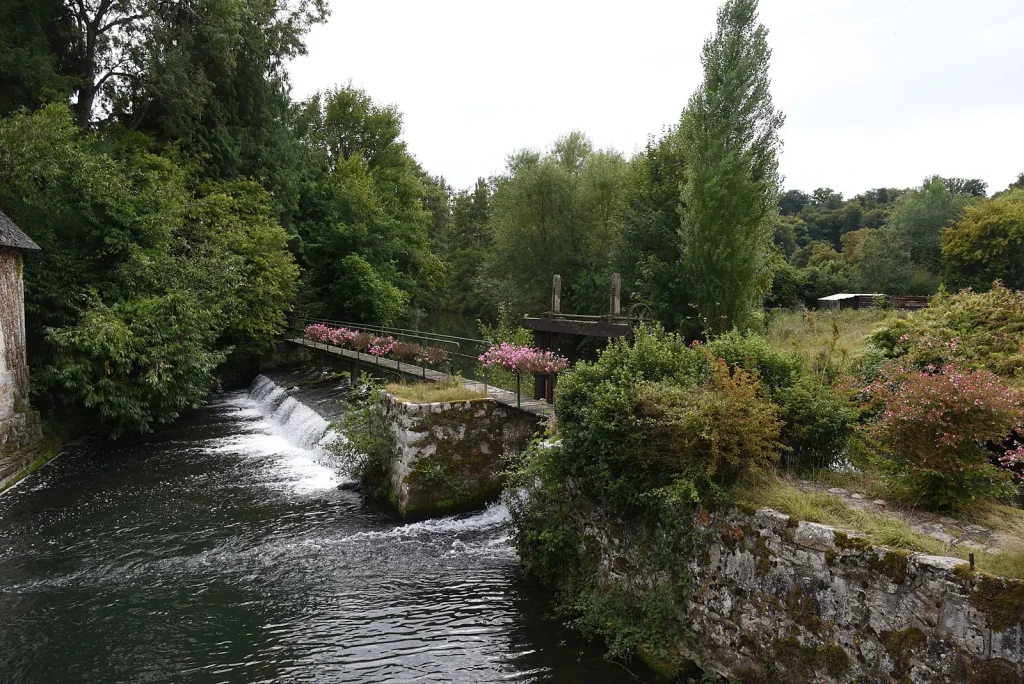
Low water levels prompt the rare closure of Rotterdam sluices, affecting navigation and water management.
The closure of Rotterdam sluices due to low water levels is causing significant disruption in the region. This rare measure, taken in response to severe drought conditions, affects both commercial and recreational navigation. The decision shows the urgent challenges posed by climate change on the Netherlands’ waterways.
Impact on Waterways and Communities
The Nieuwe Maas, a critical waterway in Rotterdam, has seen its sluices closed for the first time. This action is necessary to maintain water levels and prevent further ecological damage. The drought has severely impacted the Nieuwe Maas and Delfland regions, leading to these drastic steps.
The regional water authority, Hoogheemraadschap Delfland, has restricted surface water extraction across several municipalities, including major urban centers like Rotterdam and Delft. This measure aims to preserve the remaining freshwater supply crucial for both residential and agricultural use.
Challenges for Local Authorities
Hoogheemraadschap Delfland spokesperson J. van der Meer stated, “We must prioritize maintaining our water levels to protect dikes and ecological areas.” The authority’s decision reflects the severity of the drought and its implications for local water management strategies.
The restrictions on water extraction affect various sectors, from agriculture to industry, and require coordinated efforts from local governments to mitigate the impact. Residents and businesses are urged to conserve water and adhere to the new guidelines.
In addition to affecting navigation, the closure of the sluices poses challenges for logistics and transportation. Companies relying on river transport must seek alternative routes, potentially increasing costs and delays.
Background on Water Management
The Netherlands has a long history of water management, with sophisticated systems in place to handle both excess water and shortages. However, the current drought conditions have tested these systems to their limits, prompting new strategies and adaptations.
Climate experts warn that such extreme weather events may become more frequent, necessitating innovative solutions and strong infrastructure planning to cope with future challenges.
What Happens Next?
Authorities are closely monitoring the situation and are prepared to extend or adjust measures as needed. The focus remains on preserving water levels and ensuring the safety and sustainability of the region’s water resources.
Residents and businesses will continue to face restrictions, and cooperation with local authorities is essential for effective management. The situation highlights the importance of long-term planning and investment in resilient water management systems.
For more details on the measures and their impact, visit the Rijksoverheid and Politie websites.