

Russian Hacking of Dutch IP Cameras Threatens National Security
Russian hackers have infiltrated Dutch IP cameras on military routes, threatening national security. Intelligence services urge enhanced cybersecurity.
Published 10 July 2026 · 21:04 CET
2 min read
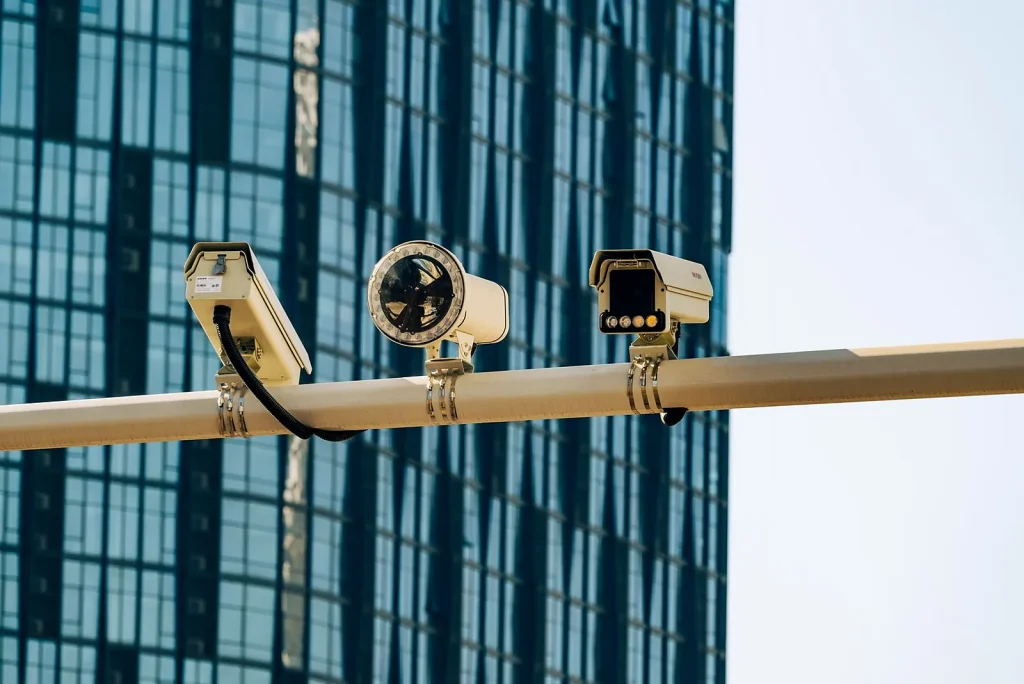
Cybersecurity concerns rise as Russian hackers exploit vulnerabilities in Dutch IP cameras, affecting military logistics.
Russian hacking of Dutch IP cameras has raised significant cybersecurity concerns. The infiltration, targeting cameras along Dutch military routes, threatens national security by exposing sensitive logistics information. Both the Algemene Inlichtingen- en Veiligheidsdienst (AIVD) and the Militaire Inlichtingen- en Veiligheidsdienst (MIVD), Dutch intelligence services, are actively investigating the breach.
Impact on Military Logistics
The hackers accessed IP cameras owned by private companies, gaining the ability to monitor military movements. This incident highlights vulnerabilities in critical infrastructure, with potential consequences for national defense. The Dutch government is particularly concerned about the impact on military logistics, as these cameras are strategically placed along key routes.
AIVD and MIVD have confirmed that the hackers could observe troop movements and other sensitive activities. As a result, they have urged businesses to enhance cybersecurity measures. This includes reinforcing the security of IP camera networks to prevent further breaches.
Government Response and Recommendations
In response to the hacking incident, the Dutch government has called for immediate action. They are working closely with private companies to strengthen defenses against such cyber threats. A spokesperson for the AIVD stated, “Businesses must prioritize cybersecurity to protect critical infrastructure from foreign interference.” The government emphasizes the importance of regular security audits and updates to software as part of these efforts.
there is a push for increased collaboration between the private sector and government agencies. This partnership aims to develop more strong cybersecurity strategies to safeguard national interests.
What Happens Next?
The Dutch intelligence services continue to investigate the full extent of the breach. They are assessing the potential for further vulnerabilities and working on strategies to mitigate risks. Meanwhile, businesses are encouraged to conduct thorough reviews of their security protocols.
Cybersecurity experts warn that this incident is a stark reminder of the growing threat of cyber-espionage. As technology evolves, so do the tactics of hackers. Therefore, maintaining and improving cybersecurity measures is crucial for national security.
Background
This is not the first time Dutch infrastructure has faced cyber threats. In recent years, there have been multiple incidents involving attempts to infiltrate sensitive networks. These events shows the ongoing challenges in protecting against sophisticated cyber-attacks.
The Dutch government has been investing in cybersecurity initiatives, aiming to bolster defenses across various sectors. However, incidents like the Russian hacking of Dutch IP cameras reveal that vulnerabilities still exist.
As the investigation progresses, the government is likely to implement additional measures to prevent future breaches. This may include stricter regulations and enhanced cooperation with international partners.
More from the desk