Rwandan genocide trial in The Hague marks 30 years
The trial of Eugène N. in The Hague for his alleged involvement in the 1994 Rwandan genocide highlights the Netherlands' role in international justice.

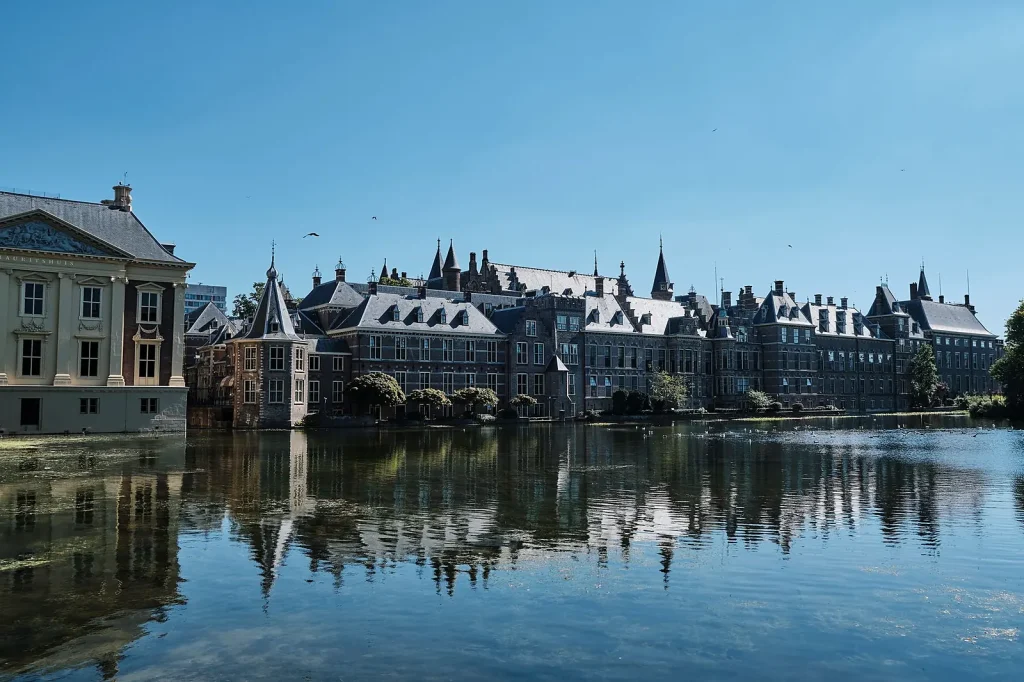
Eugène N. faces sentencing in The Hague for his alleged role in the 1994 Rwandan genocide.
The trial of Eugène N., a Rwandan man accused of participating in the 1994 genocide, is reaching a critical point in The Hague. Dutch prosecutors are set to announce their sentencing demands for Eugène N., marking a significant moment in international justice. Having lived in the Netherlands since 1998, Eugène N. has been in custody, facing charges related to the ethnic massacres that occurred over three decades ago.
Netherlands’ Role in International Justice
The trial, ongoing in The Hague, highlights the Netherlands’ commitment to addressing severe international crimes. The city, known for hosting international courts, has once again become the focal point for global justice. The proceedings reflect the country’s dedication to holding those accused of crimes against humanity accountable.
Prosecutors have meticulously built their case against Eugène N., alleging his involvement in the atrocities that claimed the lives of hundreds of thousands in Rwanda. The trial has drawn attention to the Netherlands’ key role in international legal proceedings.
Implications of the Sentencing
The sentencing of Eugène N. is expected to resonate globally, serving as a reminder of the enduring need for justice in cases of mass violence. Legal experts suggest that the outcome could influence how similar cases are handled in the future.
According to the prosecution, Eugène N. played a significant role in the events of 1994, and his conviction could set a precedent for future trials involving genocide suspects. The decision will also shows the importance of international cooperation in prosecuting such grave offenses.
Anneke van der Meer, a prominent international law expert, stated, “This trial is crucial for reinforcing the message that those who commit heinous acts will be held accountable, no matter how much time has passed.” Her comments reflect the broader sentiment among many who advocate for justice in cases of crimes against humanity.
Background on the Case
Eugène N. was arrested in the Netherlands after living in the country for over two decades. His arrest and subsequent trial have been part of a broader effort to bring Rwandan genocide suspects to justice. The International Criminal Tribunal for Rwanda, established in 1994, laid the groundwork for such prosecutions, but many suspects have remained at large.
The trial in The Hague has involved testimonies from survivors and witnesses, painting a grim picture of the events in Rwanda. The case has been closely watched by Rwandan communities and international human rights organizations, all keen to see justice served.
What Happens Next?
As the trial draws to a close, the focus shifts to the sentencing phase. Legal observers speculate that the proceedings could conclude with a lengthy sentence, given the gravity of the charges. The court’s decision will likely be seen as a benchmark for future cases involving genocide and crimes against humanity.
The outcome of this trial will contribute to the ongoing dialogue about international justice and accountability. It shows the importance of continued vigilance in pursuing those responsible for atrocities, ensuring that justice is served even decades after the crimes were committed.
For more information on international justice and related proceedings, visit the Dutch government’s official site or the United Nations.