Salderen scheme ends, impacting solar panel owners
The salderen scheme will end in 2027, affecting solar panel owners. Homeowners must find new energy strategies to maintain cost-efficiency.

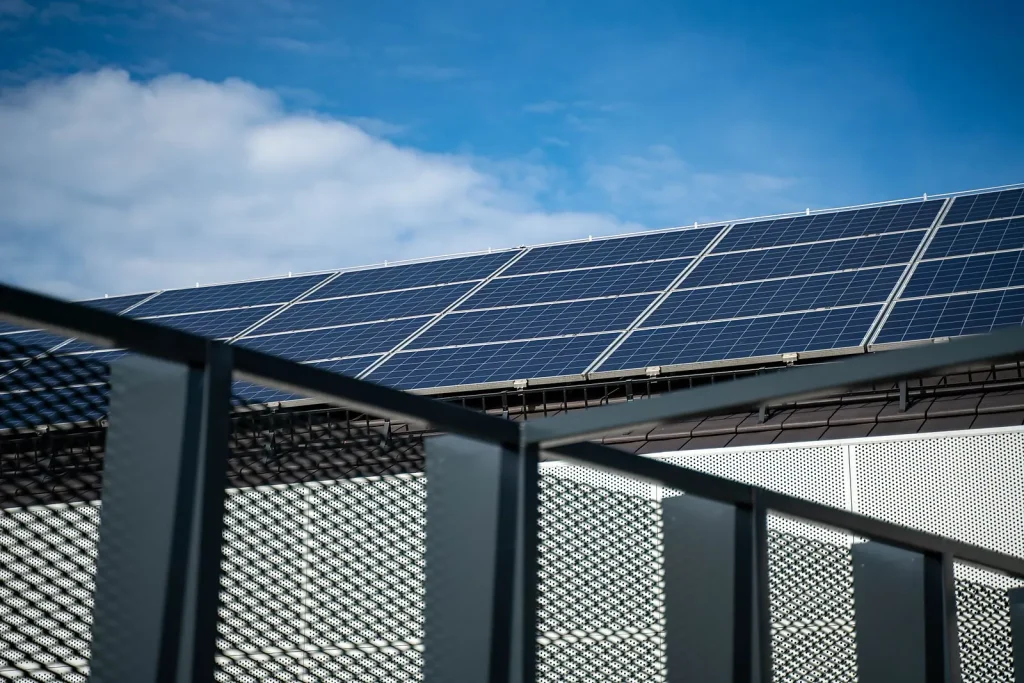
The Dutch government’s decision to end the salderen scheme in 2027 prompts solar panel owners to seek new energy solutions.
The Dutch government has announced the termination of the salderen scheme for solar panel owners, effective 2027. This move impacts thousands of homeowners who currently benefit from the scheme. The salderen scheme allows solar panel owners to offset their energy consumption by feeding surplus power back into the grid. The decision to end this scheme requires homeowners to reconsider their energy management strategies.
Impact on Solar Panel Owners
Currently, the salderen scheme provides significant financial benefits to solar panel owners in the Netherlands. By feeding excess energy back into the grid, homeowners can offset their energy bills. This has made solar panels a popular choice for those seeking energy efficiency and cost savings.
However, with the scheme ending in 2027, homeowners will need to explore alternative options to maintain these benefits. The government’s decision means that solar panel owners must find new ways to manage their energy consumption effectively. Many are now considering installing home battery systems or investing in energy-efficient appliances.
Exploring New Solutions
The end of the salderen scheme has prompted discussions about alternative solutions and potential subsidies. The Dutch government is considering various measures to support homeowners during this transition. These may include incentives for home battery installations or grants for energy-efficient home upgrades.
Additionally, energy companies are expected to play a role in offering new services and products to assist homeowners. These could include dynamic pricing models or innovative energy storage solutions.
Background on the Salderen Scheme
The salderen scheme has been a cornerstone of the Netherlands’ renewable energy policy for years. It has incentivized the adoption of solar panels by making them financially attractive. The scheme allows homeowners to balance their energy usage by selling excess energy back to the grid, effectively reducing their net energy costs.
Introduced as part of the country’s broader efforts to reduce carbon emissions, the scheme has contributed to the widespread adoption of solar energy across the Netherlands. However, as the renewable energy landscape evolves, the government believes it is time to transition to new models that reflect current energy market dynamics.
What Happens Next?
As the 2027 deadline approaches, solar panel owners are encouraged to stay informed about upcoming changes and available options. The government plans to release detailed guidelines and support measures over the coming months. Homeowners should consider consulting with energy advisors to develop a tailored strategy that suits their specific needs.
Meanwhile, the energy sector is poised to innovate and offer new products that align with the post-salderen landscape. By embracing these changes, homeowners can continue to enjoy the benefits of solar energy without financial setbacks.
the end of the salderen scheme marks a significant shift for solar panel owners in the Netherlands. While it presents challenges, it also opens the door to new opportunities for energy innovation and efficiency.