School Advice Bias: 30% Influenced by Class Level, Study Finds
A study reveals that a significant portion of school advice is influenced by class level, urging fair practices in Dutch education.

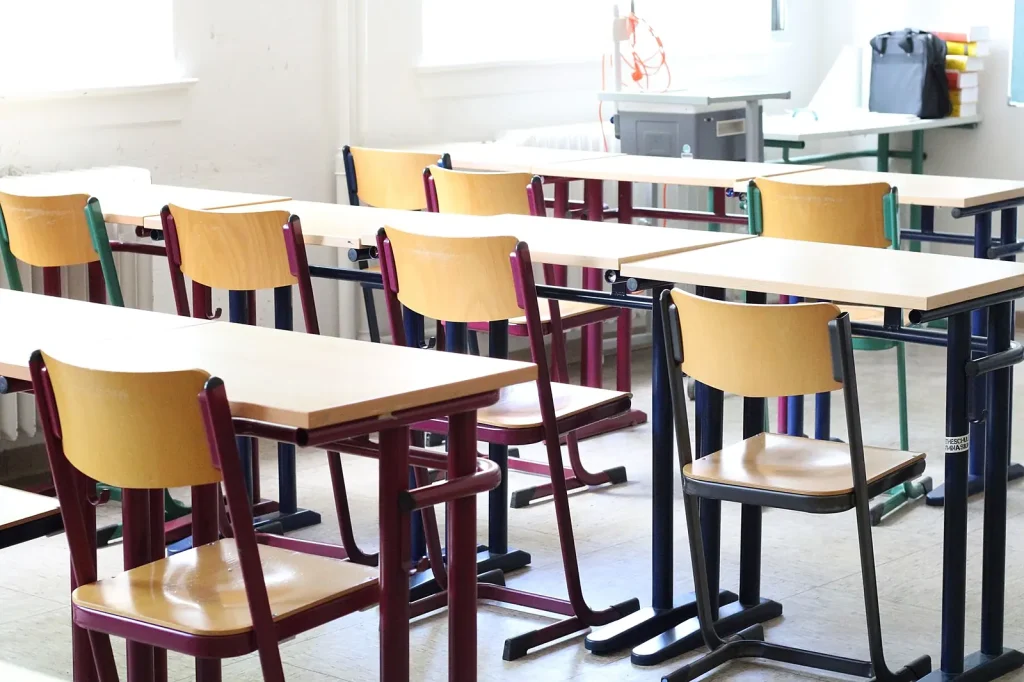
Study finds peer performance impacts teacher recommendations in Dutch schools.
A recent study from the Erasmus School of Economics, a leading research institution, has uncovered a significant bias in the Dutch school advisory process. The research indicates that recommendations for secondary school levels are often influenced by how students perform in comparison to their classmates. This finding highlights the need for transparency and fairness in educational assessments.
Understanding the School Advice Bias
The study discovered that teachers often consider the relative performance of students when advising on secondary school tracks. Specifically, students who excel within their class are more likely to receive recommendations for higher education tracks such as VWO (pre-university education). Conversely, those at the lower end of their class are often advised towards VMBO (pre-vocational education) tracks. This bias affects a significant portion of school advice cases.
Max Coveney, the researcher behind the study, emphasized the importance of awareness among educators. He stated, “Understanding these biases is crucial for ensuring that all students receive fair and unbiased school advice.” The study calls for a deeper analysis of the criteria used in determining school recommendations.
Implications for Dutch Education
The findings from the Erasmus School of Economics have significant implications for the Dutch education system. Recognizing and addressing these biases is essential for promoting equal opportunities for all students. Teachers play a key role in shaping educational pathways, and their awareness of potential biases is vital.
In response to the study, educational experts are advocating for more standardized and objective criteria in school advising processes. Such measures could help mitigate the impact of peer comparison on teacher recommendations. Additionally, training programs could be implemented to raise awareness among educators about these biases.
the study suggests that schools should provide more detailed feedback to students and parents regarding school advice. This transparency could foster greater trust in the education system and ensure that students are placed in tracks that truly reflect their abilities and potential.
What Happens Next?
As the findings of this study gain attention, there is likely to be increased discussion within the education sector about how to address the issue of biased school advice. Policymakers and educators will need to collaborate to develop strategies that ensure fair and equitable recommendations for all students.
Further research could also explore additional factors that may influence school advice, such as socioeconomic background or teacher perceptions. By understanding the full range of influences, the education system can work towards more equitable practices.
In the meantime, schools, teachers, and parents are encouraged to engage in open dialogues about the findings. By doing so, they can work together to ensure that every student receives the guidance and support they need to succeed in their educational journey.
For more information on the study, visit the Erasmus School of Economics website or refer to the Dutch government’s education resources.