Stork Recovery in Netherlands Boosts Global Population by 20%
Stork recovery in the Netherlands highlights successful conservation, with 2,000 breeding pairs.

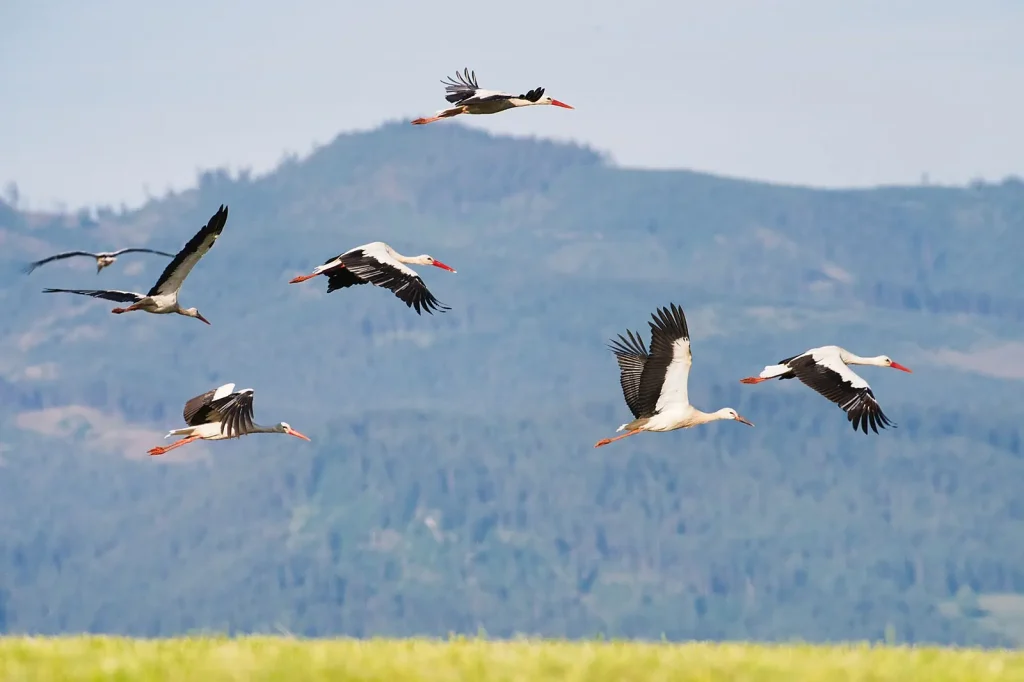
Once nearly extinct, the stork population in the Netherlands has rebounded, with 2,000 breeding pairs recorded last year.
The stork recovery in the Netherlands marks a significant milestone in conservation efforts. Once on the brink of extinction in the 1960s, the stork population has rebounded remarkably. Last year, the Netherlands recorded about 2,000 breeding pairs, a testament to the success of dedicated environmental policies.
Conservation Efforts Lead to Success
The near extinction of the stork was primarily due to the use of harmful pesticides like DDT. In the 1960s, these chemicals severely impacted the stork population. However, the elimination of such pesticides and the implementation of active conservation measures have reversed this decline.
Stichting Ooievaars Research & Knowhow (STORK), an organization dedicated to stork research, has played a key role in this success. According to Wim van Nee of STORK, the removal of DDT and other harmful substances has been crucial. “The success is thanks to the elimination of deadly pesticides and active conservation measures,” he stated.
Global Impact and Future Prospects
The impact of these efforts is not limited to the Netherlands. The resurgence of the stork population highlights the positive effects of coordinated conservation initiatives worldwide.
The stork, a bird deeply embedded in Dutch folklore, symbolizes good luck and prosperity. Its resurgence in the Netherlands serves as a beacon of hope for other conservation projects. The success story of the stork demonstrates that with commitment and resources, species recovery is achievable.
Efforts to maintain and further this progress continue. Conservationists are focusing on habitat preservation and monitoring breeding sites to ensure the stork population remains stable.
In the coming years, the focus will be on maintaining the habitats that support these birds. By protecting wetlands and ensuring a safe environment for breeding, the Netherlands aims to sustain and even increase the stork population further.
This remarkable recovery is a testament to the power of effective environmental policies and concerted conservation efforts. It highlights the potential for reversing species decline when action is taken promptly and systematically.
As the stork continues to thrive, it sets a precedent for other nations and conservationists striving to protect endangered species. The Netherlands’ success with the stork offers a model for similar initiatives globally.
For more information on conservation efforts, visit Rijksoverheid and Stichting Ooievaars Research & Knowhow.