Stricter alcohol regulations urged in Netherlands: 3 key changes
The Gezondheidsraad advises stricter alcohol regulations in the Netherlands, including removing alcohol from supermarkets.

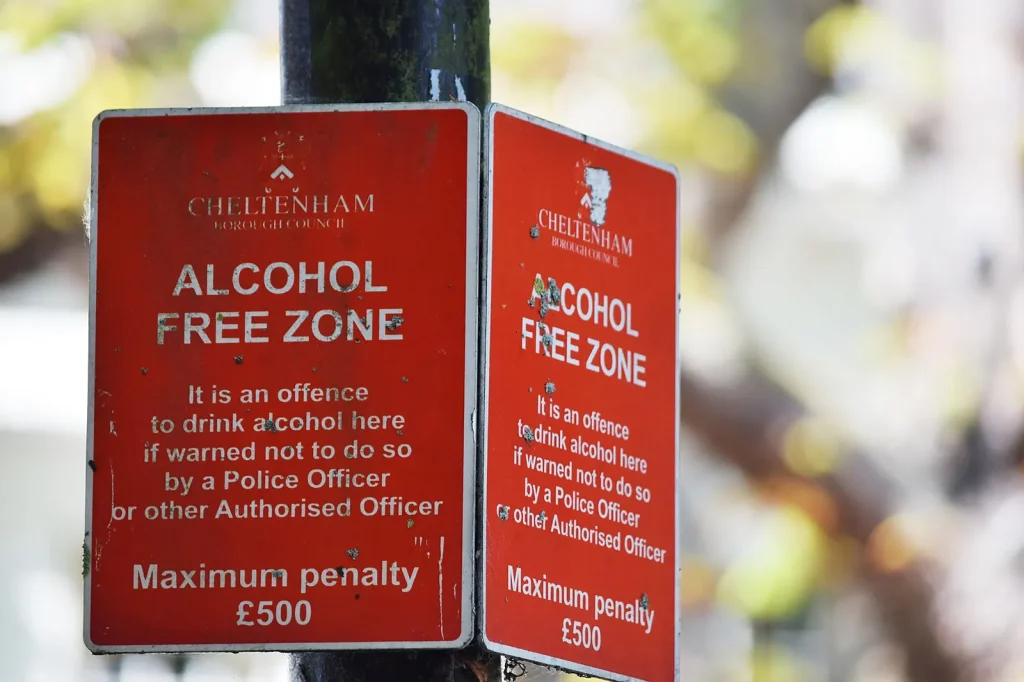
Gezondheidsraad pushes for removing alcohol from supermarkets and increasing taxes to address health risks.
The Gezondheidsraad, an advisory council to the Dutch government, has called for stricter alcohol regulations in the Netherlands. The council’s recommendations include removing alcohol from supermarkets and increasing taxes on alcoholic beverages. This effort aims to shift societal norms surrounding alcohol use and address associated health risks.
Key Recommendations from the Gezondheidsraad
The advisory council emphasizes the need to make alcohol less accessible to reduce its normalization in Dutch society. One of their primary suggestions is to remove alcohol from supermarket shelves, making it available only in specialized stores. This measure is intended to decrease impulse purchases and reduce overall consumption.
Additionally, the council recommends increasing taxes on alcoholic beverages. By raising prices, they hope to discourage excessive drinking and generate additional revenue that could be allocated to public health initiatives.
Health and Social Impacts
The Gezondheidsraad’s recommendations are based on evidence linking alcohol use to various health issues, including cancer and liver disease. The advisory council points out that alcohol is responsible for a significant number of health problems and social issues in the Netherlands. For instance, alcohol consumption is a factor in many traffic accidents and incidents of violence.
In a statement, the council noted, “Reducing alcohol availability and increasing prices are effective ways to decrease alcohol-related harm and improve public health.” They argue that by adopting these measures, the Netherlands can make strides in addressing the public health challenges posed by alcohol.
the council draws parallels with the societal shift in attitudes toward smoking. Once widely accepted, smoking is now recognized as a major public health concern. The Gezondheidsraad believes a similar transformation is possible for alcohol, given the right policies and public education efforts.
Background and Context
Alcohol consumption in the Netherlands has long been a topic of debate. While many Dutch people enjoy moderate drinking, there is growing concern about the health implications of excessive alcohol use. The Gezondheidsraad’s recommendations come as part of a broader push to prioritize public health and safety.
The council’s advice aligns with international trends, as many countries are reevaluating their alcohol policies. By focusing on reducing accessibility and increasing costs, the Netherlands aims to follow successful models seen in places like Sweden and Canada.
What Happens Next?
The Gezondheidsraad’s recommendations will now be considered by the Dutch government. Policymakers will weigh the potential benefits against economic and cultural factors. If implemented, these changes could mark a significant shift in how alcohol is regulated in the Netherlands.
In the meantime, public discourse on the topic is expected to intensify. Stakeholders, including health professionals, retailers, and consumers, will likely engage in discussions about the best path forward. The outcome could redefine public health priorities and regulatory frameworks across the country.
For more information on public health policies and their impacts, visit the Dutch government website or the CBS for statistical insights.